Boat Database » Antago Yachts Dea One
Antago Yachts Dea One
Inboard Direct-Drive, Diesel, 2x 2000 HP
Power Boats 2003 Antago Yachts Dea One: What Buyers and Owners Should Know Before They Cruise
If you’ve been searching for a 2003 Antago Yachts Dea One, you’re probably not just looking for any yacht—you’re looking for a specific mix of Ital...
Discover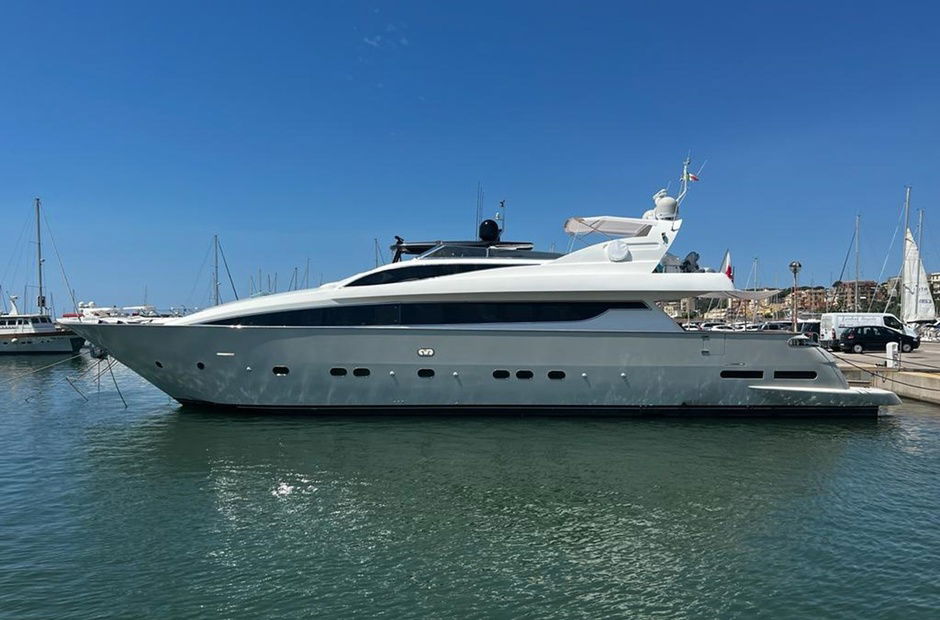


Images have been gathered from various sources and belong to their respective owners.
Review - Antago Yachts Dea One

MarineBroker
03/15/2024, 1:06 AM
2003 Antago Yachts Dea One: What Buyers and Owners Should Know Before They Cruise
If you’ve been searching for a 2003 Antago Yachts Dea One, you’re probably not just looking for any yacht—you’re looking for a specific mix of Italian styling, performance, and onboard comfort. That’s exactly why this model catches attention. It has the kind of presence that makes people stop and stare at the dock, but like any older yacht, it also comes with questions that matter before you buy, refit, or plan your next season on the water.
The main challenge for many interested buyers is figuring out whether the boat is still a smart choice today. A yacht from 2003 can offer a lot of value, but only if you understand what to inspect, what to budget for, and how to judge its condition realistically. The good news is that with the right approach, you can separate cosmetic charm from true seaworthiness and make a much more confident decision. In this guide, we’ll walk through the key things to know about the 2003 Antago Yachts Dea One, common issues to watch for, and practical steps to help you evaluate it like a pro.
- What Makes the 2003 Antago Yachts Dea One Stand Out
The 2003 Antago Yachts Dea One sits in a category many boating enthusiasts love: a stylish European motor yacht with strong visual appeal and a layout designed for comfortable cruising. Antago Yachts has long been associated with elegant lines and a sporty profile, and the Dea One is no exception.
For buyers, this matters because the boat’s value is not just in its age or size. It’s in how well it balances a classic yacht feel with practical onboard living. That combination makes it attractive for private owners who want weekend escapes, extended coastal cruising, or a refined platform for entertaining.
Typical reasons people are drawn to this model include:
- Distinctive Italian design
- Spacious social areas for its class
- A cruising setup that feels more premium than basic production boats
- Strong visual presence in the marina
- Potential value compared with newer yachts of similar style
That said, older yachts can be a mixed bag. A well-maintained 2003 model may still be a pleasure to own, while a neglected one can turn into a money pit quickly. That’s why the real question isn’t just “Is it a good yacht?” but “Is this specific yacht in good condition, and does it fit your boating goals?”
- The Main Problem: How to Judge an Older Yacht Without Guesswork
A lot of people interested in the 2003 Antago Yachts Dea One run into the same problem: it’s hard to tell, from photos or a listing alone, whether the yacht is truly a good buy.
That’s especially true with older boats, because two yachts of the same model can be completely different in real-world condition. One may have been stored properly, serviced consistently, and upgraded smartly. Another may look fine at first glance but hide expensive issues in the engines, electrical system, hull structure, or interior systems.
The biggest risks buyers usually face are:
- Overpaying for a vessel that needs major work
- Missing structural or mechanical problems during a quick viewing
- Underestimating refit and maintenance costs
- Buying a yacht that looks good but doesn’t match their cruising needs
So the solution is not to rely on the model name alone. Instead, the best approach is to evaluate the boat methodically, using a checklist that focuses on condition, maintenance history, and intended use.
- 2003 Antago Yachts Dea One: What to Inspect First
Before getting distracted by upholstery, teak, or shiny gelcoat, focus on the systems that matter most. These are the areas that usually determine whether an older yacht is a smart buy or a costly project.
- Engines and propulsion
The engines are often the biggest budget item on an older motor yacht. Start by reviewing service records, hours, oil analysis if available, and evidence of regular maintenance.
Look for:
- Clean, organized engine rooms
- No signs of fuel, oil, or coolant leaks
- Smooth startup and stable idle
- Even running temperatures
- Minimal smoke on startup and acceleration
- Documentation of impeller, belt, filter, and fluid changes
If the yacht has twin engines, compare performance side by side. Uneven wear can hint at deeper issues.
- Hull and structural condition
The hull should be inspected carefully for osmosis, impact damage, repairs, or visible stress around fittings. Even if the boat looks polished, hidden moisture or structural weakness can become expensive later.
Pay attention to:
- Blisters or soft spots
- Cracks around windows, hatches, and deck hardware
- Signs of previous repairs
- Water intrusion in lockers or bilges
- Condition of through-hulls and seacocks
A professional survey is highly recommended here. It can reveal issues that aren’t obvious during a casual walkthrough.
- Electrical and onboard systems
Older yachts often develop electrical gremlins over time. Faulty wiring, corroded terminals, and outdated components can create frustrating and sometimes dangerous problems.
Check:
- Shore power connections
- Battery age and charging system
- AC and DC panel condition
- Navigation electronics
- Lighting, pumps, and switches
- Evidence of amateur wiring modifications
If a yacht has had multiple owners, electrical “solutions” made over the years can be a warning sign.
- Interior and moisture issues
A beautiful cabin means little if there’s water damage behind the panels. Moisture can creep into flooring, headliners, bulkheads, and cabinetry, leading to mold or rot.
Inspect for:
- Musty smells
- Staining around windows and hatches
- Delamination or soft flooring
- Corrosion on hidden metal parts
- Mold in lockers and under cushions
A fresh interior refit can look impressive, but it shouldn’t distract from what’s underneath.
- How to Evaluate the 2003 Antago Yachts Dea One as a Cruiser
Not every buyer wants the same thing from a yacht. Some want day trips and entertaining. Others want long weekends or extended seasonal cruising. The 2003 Antago Yachts Dea One should be judged against how you plan to use it.
Ask yourself:
- Will you cruise mostly coastal waters or offshore?
- Do you need easy handling with a small crew?
- Is guest comfort more important than speed?
- Will you be docking often in tight marinas?
- Do you want a turnkey boat or are you open to upgrades?
This matters because some yachts are fantastic on paper but awkward in practice. A boat can be stylish and spacious, yet still be expensive to run or more demanding to handle than expected.
For example:
- A family cruiser may prioritize layout, storage, and reliability
- A weekend entertainer may care more about saloon space and deck flow
- A hands-on owner may be fine with a project boat if the purchase price reflects it
The best solution is to match the yacht’s strengths to your actual boating habits, not your dream scenario.
- Common Age-Related Issues to Watch For
Even a well-built yacht from 2003 will have some age-related wear. That doesn’t automatically make it a bad choice, but it does mean you should budget realistically.
Here are common issues older motor yacht buyers should expect:
- Engine-room hoses and clamps aging out
- Upholstery fading or cracking
- Teak decks needing repair or replacement
- Corrosion on fittings and hardware
- Window seals failing
- Air conditioning components wearing down
- Pumps and macerators reaching end of life
- Electronics becoming outdated or unsupported
A smart buyer doesn’t panic at the presence of wear. Instead, they ask whether the wear is normal, documented, and manageable.
A good rule of thumb is to separate cosmetic items from critical systems:
- Cosmetic: cushions, carpets, curtains, varnish, gelcoat shine
- Functional: engines, steering, electrical, plumbing, bilges, navigation
- Safety-related: seacocks, fire suppression, batteries, fuel lines
If the boat needs mostly cosmetic work, that’s usually easier to plan for. If it needs major mechanical or structural work, the price should reflect that clearly.
- Budgeting the Smart Way
One of the biggest mistakes buyers make is spending everything on the purchase price and forgetting the refit budget. With an older yacht like the 2003 Antago Yachts Dea One, the real cost of ownership often goes beyond the listing price.
A practical budget should include:
- Survey and haul-out costs
- Immediate safety repairs
- Engine servicing
- Battery replacement if needed
- Electronics upgrades
- Upholstery or interior refresh
- Antifouling and bottom work
- Annual insurance and marina fees
If the yacht looks unusually cheap, ask why. Sometimes the answer is simple market timing. Other times it means the current owner has deferred maintenance, and the next owner inherits the bill.
A useful approach is to create three budget layers:
1. Purchase price
2. Immediate fix list
3. First-year operating costs
That gives you a more realistic picture than the asking price alone.
- Why a Survey Matters More Than the Listing Photos
Photos can make any yacht look great. Good lighting, fresh cleaning, and wide-angle shots can hide a lot. That’s why a marine survey is one of the most important steps when considering a 2003 Antago Yachts Dea One.
A survey helps you:
- Verify the condition of the hull and structure
- Assess machinery and onboard systems
- Identify safety concerns
- Create leverage in price negotiations
- Avoid expensive surprises after purchase
If possible, combine the survey with an engine inspection and sea trial. The sea trial is especially useful because it shows how the yacht behaves under load, at cruising speed, and during maneuvers.
During the sea trial, watch for:
- Excess vibration
- Steering issues
- Overheating
- Delayed throttle response
- Unusual noises
- Poor tracking or handling
A yacht that feels fine at idle can reveal problems once it’s underway.
- How to Decide Whether It’s Worth Buying
Not every 2003 Antago Yachts Dea One will be the right fit, and that’s okay. The decision should come down to a few practical questions.
Consider buying if:
- Maintenance history is documented
- Engines and systems check out well
- The hull and deck are structurally sound
- Needed upgrades are manageable
- The layout fits your cruising style
- The asking price leaves room for repairs and upkeep
Be cautious if:
- Records are missing or inconsistent
- There are signs of repeated water intrusion
- The engines have unclear service history
- The boat has too many unresolved issues
- The seller is unwilling to allow a proper survey
The best buys are often not the cheapest boats. They’re the boats with honest condition, clear paperwork, and a price that reflects reality.
- Practical Tips for Owners After Purchase
If you already own or are about to own this yacht, the first season is the time to get ahead of problems. A little preventive work now can save a lot later.
Here’s a simple ownership checklist:
- Replace unknown-age hoses, belts, and filters
- Test all bilge pumps and alarms
- Inspect battery banks and charging systems
- Service engines before heavy use
- Check seacocks and through-hulls
- Re-seal any suspect windows or deck fittings
- Clean and inspect hidden storage areas for moisture
- Update navigation and safety gear as needed
It also helps to keep a maintenance log. Even a simple notebook or spreadsheet can make a big difference when tracking service intervals and future resale value.
If you plan to keep the yacht for several years, consider a phased refit rather than trying to do everything at once. That keeps the project manageable and helps you prioritize the most important systems first.
- Final Thoughts on the 2003 Antago Yachts Dea One
The 2003 Antago Yachts Dea One can be a very appealing yacht for the right buyer, especially if you value style, presence, and comfortable cruising. But like any older motor yacht, its real worth depends on condition, maintenance history, and how well it matches your boating plans.
The smartest approach is simple: inspect carefully, survey thoroughly, budget honestly, and buy based on facts rather than first impressions. If the boat checks out, it can offer excellent value and plenty of enjoyment on the water. If you’re still researching, keep comparing condition, layout, and running costs so you can make a confident choice when the right yacht comes along.
Specifications
General
Boat Type: Power Boats
Class Type: Mega Yacht
Specifications
Length: 91.86
Beam: 21
Draft: 5.91
Hull Material: GRP
Build
First Built: 2003
Propulsion
Fuel Type: Diesel
Engines: 2
Power: 2000 HP
Brand: MTU
Accomodation
Cabins: 4
PROS & CONS
What we appreciated
 Distinctive and stylish Scandinavian design by Antago YachtsRobust build quality with attention to detailComfortable interior suitable for extended cruisingEfficient sailing performance and handlingGood resale value due to limited production and unique design
What we didn’t appreciate
 Older model, may require updates or maintenance on systemsLimited availability of spare parts due to niche brandSmaller dealer and service network compared to mainstream brandsInterior space may be compact for larger familiesPotentially higher upkeep costs for specialized components
Upkeep Costs
Annual maintenance and repairs: $2,000 - $5,000
Docking and marina fees: $1,500 - $4,000 per year
Insurance: $800 - $1,500 per year
Fuel costs: $1,000 - $3,000 depending on usage
Winter storage and haul-out: $500 - $1,500 per year
Rating
7.1
User
Score
Score
Driveability
Technology
Interior
Design
Similar Boats


MarineBroker
Download now for an immersive boat experience like never before! ⛵✨ Your journey begins with a simple click. 🌊📲
#SetSailSmart #DownloadNow
#SetSailSmart #DownloadNow

Subscribe
Copyright 2017 - 2026, Marinebroker.net, All Rights Reserved