Boat Database » Anastassiades & Tsortanides Star Alliance
Anastassiades & Tsortanides Star Alliance
Inboard Direct-Drive, Diesel, 2x 820 HP
Power Boats 1982 Anastassiades & Tsortanides Star Alliance: A Practical Guide to Understanding, Evaluating, and Enjoying This Classic Yacht
If you’ve been searching for information on the 1982 Anastassiades & Tsortanides Star Alliance, you’r...
Discover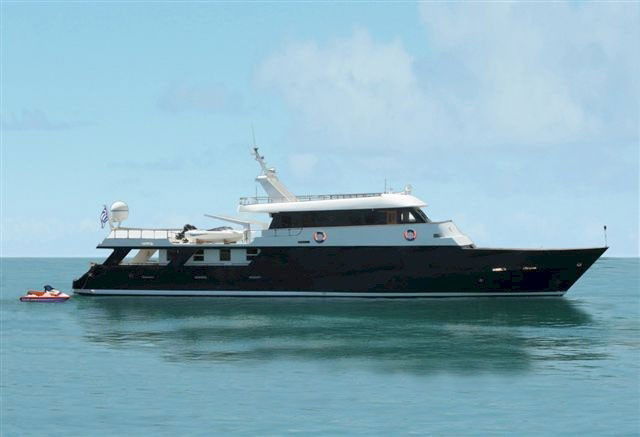
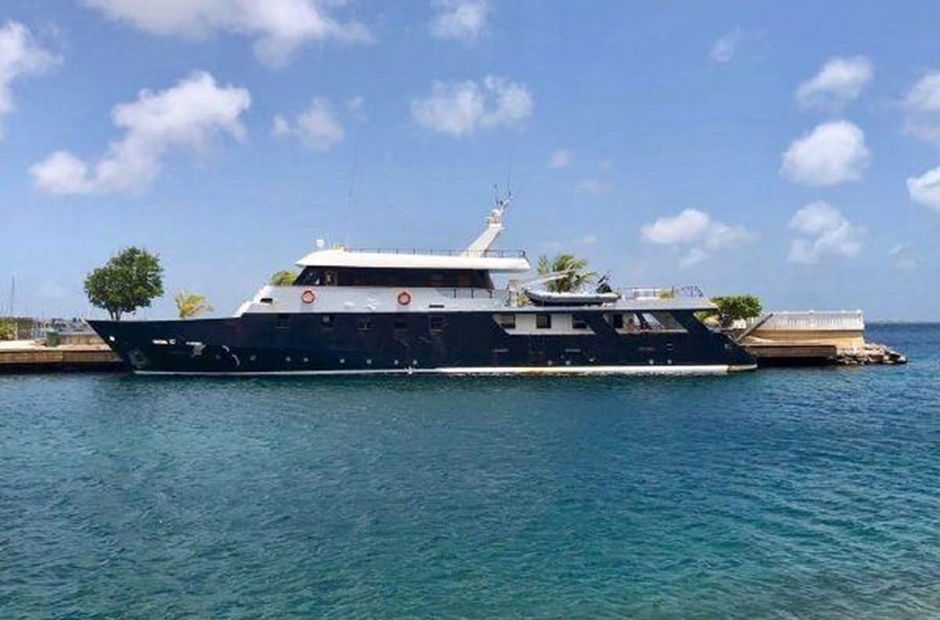
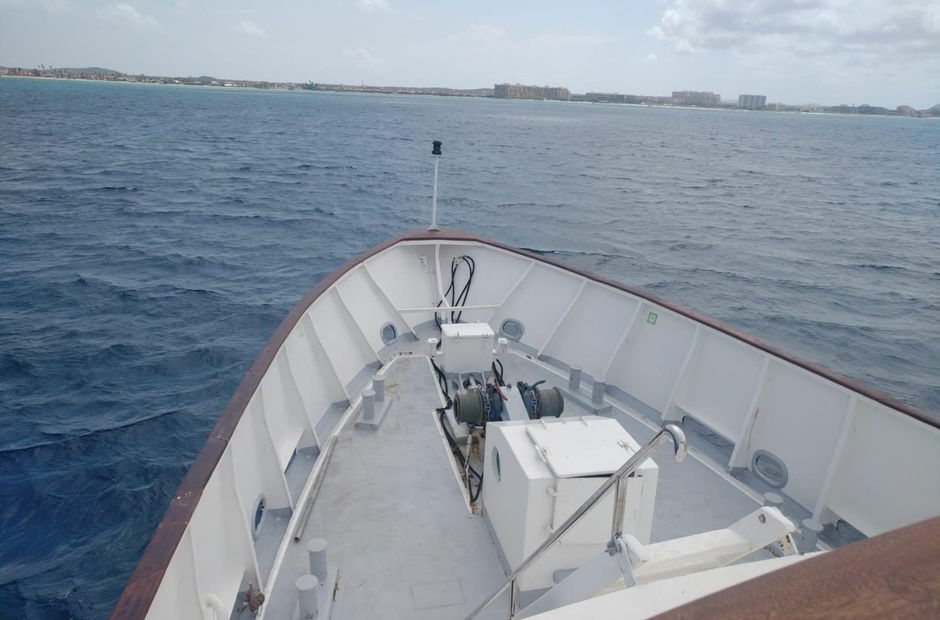
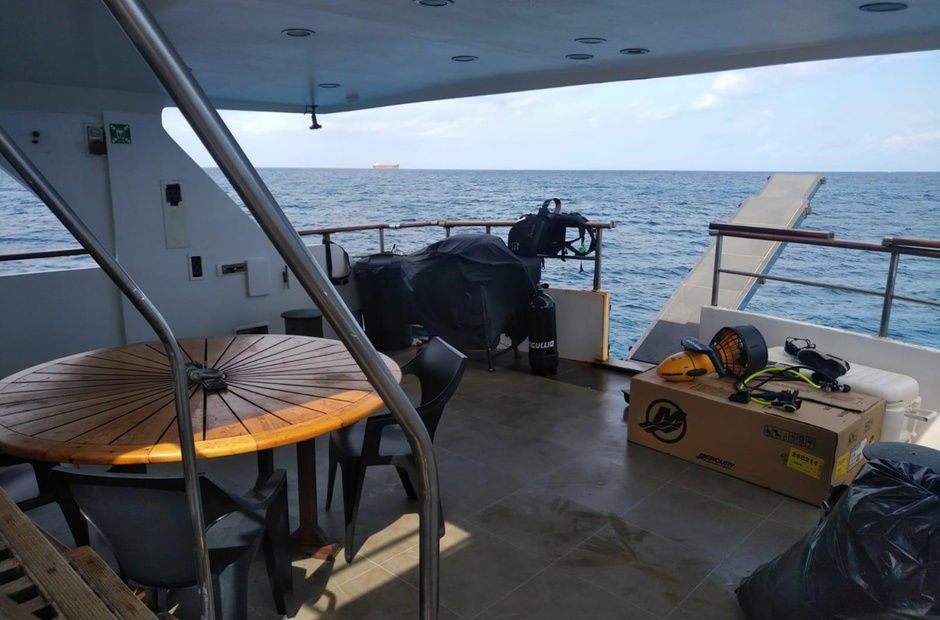
Images have been gathered from various sources and belong to their respective owners.
Review - Anastassiades & Tsortanides Star Alliance

MarineBroker
03/14/2024, 3:15 PM
1982 Anastassiades & Tsortanides Star Alliance: A Practical Guide to Understanding, Evaluating, and Enjoying This Classic Yacht
If you’ve been searching for information on the 1982 Anastassiades & Tsortanides Star Alliance, you’re probably already past the “just browsing” stage. Maybe you’ve seen the name in a listing, heard it mentioned by a broker, or come across it while researching classic yachts with character. The challenge is that boats like this often come with limited public information, and that can make it hard to know what you’re really looking at.
That’s where most buyers and enthusiasts get stuck. They want to appreciate the design and history, but they also need practical answers: What should I inspect? What are the common concerns with an older yacht? How do I tell whether it’s a smart purchase or a beautiful project with hidden costs?
The good news is that classic yachts can be incredibly rewarding when you know how to evaluate them properly. In this article, we’ll break down what makes the 1982 Anastassiades & Tsortanides Star Alliance interesting, what issues matter most on a vessel of this age, and how to approach ownership or purchase with confidence. Whether you’re a serious buyer or simply a boating enthusiast, you’ll walk away with a clearer, more useful picture.
- Why the 1982 Anastassiades & Tsortanides Star Alliance stands out
The first thing people usually want to know is simple: what kind of boat is this, and why does it matter?
While individual listings and refits can vary, a yacht from this era and builder typically appeals to people who value solid construction, classic lines, and a more traditional onboard feel. Boats built in the early 1980s often reflect a time when craftsmanship and long-range cruising comfort were major priorities.
For many enthusiasts, the appeal is not just nostalgia. It’s also about getting a vessel that may offer:
- Strong seakeeping qualities
- A distinctive profile and layout
- Spacious interior volume compared with some modern designs
- The potential for customization through refit and modernization
That said, older yachts are not “turnkey” by default. The real value depends on condition, maintenance history, and how well the boat has aged.
- The main problem buyers face with the 1982 Anastassiades & Tsortanides Star Alliance
The biggest challenge with a vessel like the 1982 Anastassiades & Tsortanides Star Alliance is uncertainty.
Many buyers fall in love with the idea of a classic yacht, but they underestimate the cost and effort needed to verify its true condition. An older yacht can look impressive on the surface while hiding issues in systems, structure, or equipment.
Common concerns include:
- Aging mechanical systems
- Outdated electrical wiring
- Moisture intrusion in decks or bulkheads
- Corrosion in metal components
- Wear in plumbing, tanks, and hoses
- Interior deterioration from poor ventilation or neglect
In other words, the problem is not usually the brand or model itself. It’s the gap between what you see and what you need to know before making a decision.
- How to evaluate a classic yacht the smart way
If you’re considering the 1982 Anastassiades & Tsortanides Star Alliance, the best solution is to use a structured evaluation process. That means looking beyond appearance and focusing on the systems that affect safety, usability, and long-term value.
A smart evaluation should cover three areas:
1. Structure
2. Systems
3. Ownership history
When these three are checked carefully, you can make a much more informed judgment about whether the boat is a dream worth pursuing or a project that needs too much work.
- Start with the structure
The structure is the foundation of any yacht purchase. On a vessel from 1982, you want to pay close attention to evidence of repairs, stress, water ingress, and age-related wear.
Key points to inspect:
- Hull condition
- Keel and rudder alignment
- Deck softness or flex
- Signs of osmosis or blistering, if applicable
- Bulkhead integrity
- Fastener condition
- Previous repair quality
A clean-looking hull is not enough. Ask whether the boat has had any grounding, collision, or major structural work. Even a well-maintained classic yacht can have hidden repairs that matter later.
If you’re not experienced with older boats, a professional marine survey is essential. It’s one of the most valuable investments you can make before purchase.
- Check the mechanical systems carefully
On older yachts, the machinery often tells the real story. Engines, generators, pumps, and steering gear may still work well, but only if they’ve been maintained consistently.
Pay attention to:
- Engine hours and service records
- Oil leaks or unusual wear
- Cooling system condition
- Fuel tank cleanliness
- Exhaust system age
- Spare parts availability
- Steering responsiveness
A boat can be beautiful and still be a maintenance headache if the mechanical systems are tired. For many buyers, this is where the budget can change quickly.
A practical rule: if the engine room looks neglected, assume more work is waiting below the surface.
- Don’t overlook the electrical setup
Electrical systems are one of the most common weak points on older yachts. Over the years, owners add equipment, make temporary fixes, and mix old wiring with newer electronics. That can create safety issues and frustrating reliability problems.
Things to review include:
- Shore power system
- Battery banks
- Charging equipment
- Panel labeling
- Wire condition and routing
- Bonding and grounding
- Navigation electronics
- Lighting and switching
If the vessel has been updated properly, this can be a major plus. If not, rewiring can be expensive and time-consuming.
For buyers, the question is not just “Does it work today?” but “Is it safe, logical, and maintainable?”
- Understand the interior condition and layout
One reason people are drawn to the 1982 Anastassiades & Tsortanides Star Alliance is the potential for generous interior space and classic cruising comfort. But the interior should be evaluated with the same care as the mechanical systems.
Look at:
- Moisture damage around windows and hatches
- Condition of cabinetry and joinery
- Ventilation and mildew
- Upholstery wear
- Galley functionality
- Head plumbing
- Storage access
- Cabin layout for your intended use
A well-kept interior can make an older yacht feel timeless rather than dated. But if the boat has been stored poorly, the cost of cosmetic restoration can be significant.
This matters especially if you plan to cruise often, live aboard, or entertain guests. Comfort is not just about looks; it’s about how the space works day after day.
- Why maintenance history matters more than age alone
A common mistake is assuming that all older yachts are risky. That’s not true. Age matters, but maintenance history matters more.
A 1982 yacht that has been cared for, updated, and used regularly can be a much better choice than a newer boat that has been neglected. Look for evidence of:
- Routine haul-outs
- Engine servicing
- Electrical upgrades
- Replaced hoses and seals
- Documented repairs
- Owner manuals and records
- Consistent winterization or storage practices
Good records don’t just show pride of ownership. They reduce guesswork.
If the seller can provide a clear history, that’s a strong sign. If not, proceed carefully and budget for a deeper inspection.
- The role of a marine survey and sea trial
If you’re serious about the 1982 Anastassiades & Tsortanides Star Alliance, a survey and sea trial should be non-negotiable.
A marine survey helps identify structural or safety issues that may not be visible during a casual walk-through. A sea trial shows how the boat behaves under real conditions.
During these steps, you want to learn:
- Does the boat start easily?
- Does it hold temperature and pressure normally?
- Does it steer cleanly?
- Are there vibrations, strange noises, or leaks?
- Does the vessel track properly?
- Do electronics and alarms function as expected?
A proper sea trial can reveal issues that dockside checks miss. It’s also the best way to judge whether the boat feels solid, responsive, and suitable for your style of boating.
- Budgeting for ownership the realistic way
One of the smartest things you can do is build a realistic ownership budget before buying. Classic boats often cost more than expected not because they are bad purchases, but because they require thoughtful upkeep.
Budget categories should include:
- Survey and inspection costs
- Immediate repairs
- Annual maintenance
- Dockage or mooring
- Insurance
- Fuel
- Bottom work
- Upgrades and modernization
- Emergency reserve fund
A useful approach is to separate “purchase price” from “ready-to-use cost.” The second number is usually the one that matters most.
For older yachts, it’s wise to keep a reserve for unexpected issues. Even a well-maintained vessel can surprise you once systems are opened up and tested.
- When a refit makes sense
Not every older yacht needs a full refit. But in some cases, a targeted refit can transform a good classic boat into a highly enjoyable cruiser.
A refit may make sense if:
- The hull and structure are sound
- The layout works for your needs
- The boat has strong potential but outdated systems
- You want to preserve the character while improving reliability
Common refit priorities include:
- Rewiring
- New batteries and charging systems
- Updated navigation equipment
- Plumbing replacement
- Safety gear upgrades
- Cabin ventilation improvements
- Engine servicing or repower planning
The key is to prioritize function before cosmetics. It’s easy to get distracted by new cushions or varnish. But reliability, safety, and access should come first.
- How to decide if the 1982 Anastassiades & Tsortanides Star Alliance is right for you
This kind of yacht is usually best for buyers who appreciate character and are willing to be hands-on.
It may be a good fit if you:
- Enjoy classic yacht design
- Value solid cruising comfort
- Are comfortable with maintenance planning
- Want a vessel with room for personalization
- Prefer a boat with history and presence
It may not be ideal if you want:
- Minimal upkeep
- Modern plug-and-play convenience
- A fully turnkey vessel without surprises
- The lowest possible operating costs
That doesn’t mean you should avoid it. It just means you should match the boat to your expectations. The right yacht is not only about beauty; it’s about fit.
- Practical tips before you buy or inspect
If you’re heading toward a listing or survey, keep these tips in mind:
- Bring a flashlight and check hidden areas
- Ask for full maintenance records
- Inspect bilges for water, smell, and residue
- Test every switch and pump you can
- Look for signs of patchwork repairs
- Open lockers and inspect for dampness
- Verify title and documentation
- Don’t rush the decision
If possible, bring someone with experience in older yachts. A second set of eyes can catch details you might miss when you’re focused on the big picture.
- Why classic yachts still attract serious boating enthusiasts
There’s a reason boats like the 1982 Anastassiades & Tsortanides Star Alliance continue to interest buyers decades later. They offer something modern production boats often lack: personality.
Classic yachts often feel more substantial, more distinctive, and more connected to the tradition of seamanship. For the right owner, that matters.
The tradeoff is responsibility. You’re not just buying a boat; you’re taking on a piece of marine history that deserves attention and care.
When that balance is right, the experience can be deeply rewarding.
- Common mistakes to avoid
Here are a few mistakes that can turn a promising purchase into a costly regret:
- Focusing only on appearance
- Skipping the survey
- Ignoring maintenance records
- Underestimating refit costs
- Assuming all systems are functional because the boat starts
- Overpaying for rarity without verifying condition
The best buyers stay curious, patient, and realistic. That mindset usually leads to better decisions.
- Final thoughts on the 1982 Anastassiades & Tsortanides Star Alliance
The 1982 Anastassiades & Tsortanides Star Alliance represents the kind of classic yacht that can be very rewarding for the right owner. Its value is not just in age or name recognition, but in how well it has been maintained, updated, and matched to your boating goals.
If you’re considering one, focus on structure, systems, records, and real-world performance. A careful inspection, a proper survey, and a realistic budget will do far more for your confidence than any glossy listing photo ever could.
Classic yachts can be wonderful boats when approached the right way. Take your time, ask the right questions, and treat the evaluation process as part of the adventure. If you want to go deeper, continue researching surveys, refit planning, and ownership costs before making your next move.
Specifications
General
Boat Type: Power Boats
Class Type: Mega Yacht
Specifications
Length: 131.89
Beam: 20.67
Draft: 7.87
Hull Material: Steel
Build
First Built: 1982
Propulsion
Fuel Type: Diesel
Engines: 2
Power: 820 HP
Brand: Unknown
Accomodation
Cabins: 5
PROS & CONS
What we appreciated
 Classic design with timeless aestheticsSolid fiberglass construction ensuring durabilitySpacious interior layout for comfortGood sailing performance for its size and eraRelatively easy to maintain due to simple systems
What we didn’t appreciate
 Older build may require significant maintenance and updatesOutdated navigation and onboard technologyLimited modern amenities compared to newer boatsPotential issues with aging rigging and hardwareLower resale value due to age and market demand
Upkeep Costs
Annual maintenance and repairs: $2,000 - $5,000
Docking and marina fees: $1,500 - $4,000 per year
Insurance: $800 - $1,500 per year
Fuel costs: $1,000 - $3,000 per year (depending on usage)
Winter storage and hauling: $1,000 - $2,000 per year
Rating
5.3
User
Score
Score
Driveability
Technology
Interior
Design
Similar Boats


MarineBroker
Download now for an immersive boat experience like never before! ⛵✨ Your journey begins with a simple click. 🌊📲
#SetSailSmart #DownloadNow
#SetSailSmart #DownloadNow

Subscribe
Copyright 2017 - 2026, Marinebroker.net, All Rights Reserved