2002 AMTEC R23: What to Know Before You Buy, Inspect, or Restore One
If you’ve been searching for a 2002 AMTEC R23, chances are you’re not just looking for a boat—you’re looking for the right boat. Maybe you’ve found one for sale...
Discover


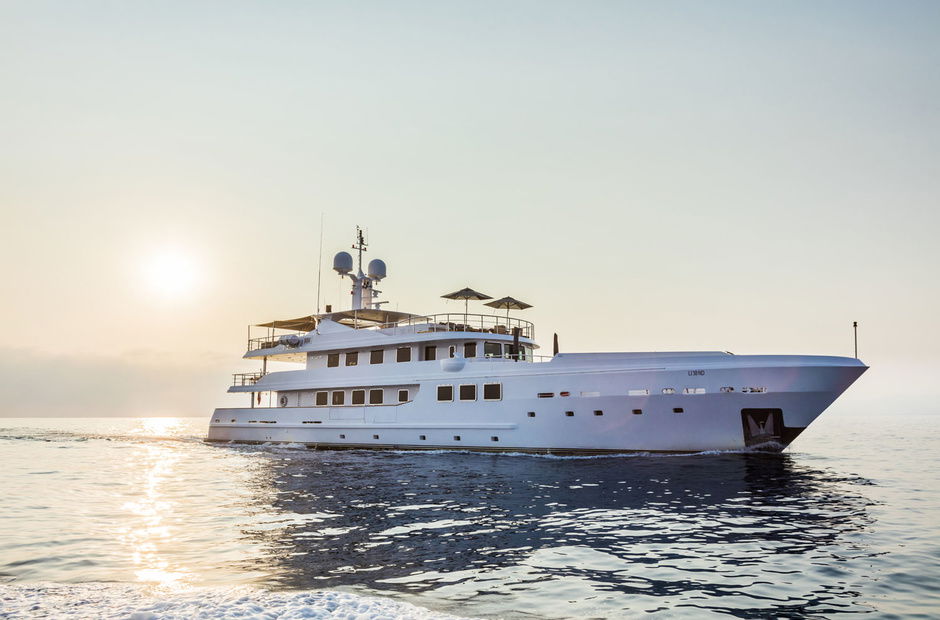
Images have been gathered from various sources and belong to their respective owners.
Review - AMTEC R23

MarineBroker
01/18/2024, 4:39 AM
2002 AMTEC R23: What to Know Before You Buy, Inspect, or Restore One
If you’ve been searching for a 2002 AMTEC R23, chances are you’re not just looking for a boat—you’re looking for the right boat. Maybe you’ve found one for sale and want to know if it’s a smart buy. Maybe you already own one and want to keep it running well. Or maybe you’re trying to figure out whether this model is a good fit for your kind of boating.
That’s where the challenge starts. Older boats can be excellent values, but they also come with questions that newer buyers often overlook: How solid is the hull? What should you inspect first? Are there common maintenance issues? And how do you tell a well-kept boat from one that’s going to drain your time and budget?
The good news is that with the right approach, the 2002 AMTEC R23 can be evaluated confidently. Whether you’re buying, maintaining, or restoring, the key is knowing what to check, what to prioritize, and what problems matter most. In this guide, we’ll walk through the most practical things to look at so you can make a smarter decision and enjoy the boat instead of worrying about it.
- What Is the 2002 AMTEC R23?
The 2002 AMTEC R23 is the kind of boat that often attracts practical buyers—people who want something usable, capable, and potentially affordable compared with newer models. Since it’s a 23-foot-class boat, it sits in a versatile size range that can work for day trips, fishing, cruising, or general recreation depending on how it’s equipped.
For buyers, the appeal usually comes down to three things:
- A manageable size for trailering or docking
- Enough space for family or friends
- The possibility of strong value if the boat has been maintained well
But with any 2002-era boat, condition matters more than the name on the side. Two boats of the same model can feel completely different depending on how they were stored, used, and serviced. That’s why the smartest move is to focus less on assumptions and more on a careful inspection.
- The Main Problem Buyers Face With a 2002 AMTEC R23
The biggest issue with older boats is uncertainty. A boat can look clean on the surface while hiding expensive problems underneath.
Common concerns include:
- Engine wear or poor maintenance history
- Electrical issues from aging wiring or corroded connections
- Soft spots in decks or transoms
- Hull damage or previous repairs
- Outdated systems that still “work” but are nearing failure
- Upholstery, canvas, and trim deterioration from sun exposure
For many buyers, the real problem is not whether the boat exists in good condition somewhere—it’s knowing how to tell the difference before money changes hands.
That’s especially important with a 2002 AMTEC R23, because boats from this era may have seen multiple owners, seasonal storage, and years of mixed maintenance habits. A boat that was flushed after every use and stored properly can still be a great candidate. A neglected one, even if it looks decent in photos, can become a project fast.
- Why Inspection Matters More Than the Price
It’s easy to get focused on the asking price, especially if the boat seems like a bargain. But with older boats, the purchase price is only part of the story.
A lower-priced boat can quickly become expensive if it needs:
- Engine repairs
- New batteries and wiring work
- Fuel system cleaning or replacement
- New pumps, hoses, or gauges
- Upholstery or flooring replacement
- Structural repairs to the deck or transom
In other words, the “cheapest” boat is not always the least expensive one to own.
A well-inspected 2002 AMTEC R23 gives you a much clearer picture of true value. Even if it costs a little more upfront, it may save you far more in the long run.
- How to Inspect a 2002 AMTEC R23 Before Buying
If you’re looking at a used 2002 AMTEC R23, a systematic inspection is your best friend. Don’t rely on a quick walkaround. Take your time and check the boat in sections.
- Start With the Hull and Exterior
Look for:
- Cracks, blisters, or deep scratches
- Signs of old repairs
- Uneven gelcoat or mismatched color
- Dings around the keel, chines, and rub rail
Pay attention to how the boat sits on the trailer, too. A hull that’s been supported incorrectly can develop stress points over time.
- Check the Deck and Floor
Walk the entire deck slowly. You’re listening and feeling for:
- Soft spots
- Flexing underfoot
- Spongy areas near hatches or high-traffic zones
- Loose fittings or hardware
Soft decks can signal water intrusion, which may point to bigger structural issues.
- Inspect the Transom
The transom is one of the most important areas on any older boat. Look for:
- Cracks near engine mounting points
- Movement when pressure is applied
- Water intrusion around bolts or fittings
- Signs of swelling or delamination
If the transom is compromised, repair costs can be significant.
- Examine the Engine and Mechanical Systems
If the 2002 AMTEC R23 is powered by an outboard or inboard setup, the engine condition should be a top priority.
Check:
- Service records
- Compression, if possible
- Oil condition and leaks
- Cooling system performance
- Starting behavior
- Smoke, vibration, or unusual noises
A clean engine bay is nice, but documentation matters more. Regular service is often the best indicator of how the boat was treated.
- Review Electrical and Fuel Systems
Older boats often develop issues in these areas first.
Look for:
- Corroded terminals
- Brittle wiring
- Non-working gauges
- Weak lights or pumps
- Fuel smells
- Cracked hoses or loose clamps
Electrical problems can be annoying, but fuel system issues can be serious. If you notice strong fuel odors or signs of leakage, treat that as a red flag.
- Test the Upholstery and Hardware
Seats, cushions, latches, cleats, rails, and hinges may not seem critical, but they tell you a lot about the boat’s overall care.
Check for:
- Sun damage
- Mold or mildew
- Loose stitching
- Rusted hardware
- Broken snaps or zippers
These items are often replaceable, but they also help you estimate how well the rest of the boat was maintained.
- Common Issues to Watch for With an Older 23-Foot Boat
Even if the 2002 AMTEC R23 is in decent shape, there are a few recurring issues that older boat owners often deal with.
- Water Intrusion
This is one of the most common and most expensive problems. Water can enter through:
- Unsealed hardware
- Cracked fittings
- Deck fittings
- Old caulking
- Improperly sealed repairs
Over time, trapped moisture can damage core materials and weaken structural areas.
- Corrosion
Saltwater use speeds up corrosion, but even freshwater boats can suffer if they weren’t rinsed, dried, and stored properly.
Watch for:
- White powder on aluminum parts
- Rust on fasteners
- Corroded battery terminals
- Pitted hardware
- Aging Rubber and Plastic Components
Hoses, seals, gaskets, and fuel lines degrade over time. Even if they look okay, older rubber parts may be due for replacement simply because of age.
- Outdated Electronics
Older boats often come with electronics that still function but are no longer ideal. That might include:
- Old GPS units
- Outdated gauges
- Weak stereos
- Failing depth finders
These don’t always affect safety, but they can affect usability and resale value.
- Storage and Maintenance: The Real Secret to a Good Boat
A well-cared-for 2002 AMTEC R23 can be a very different boat from one that was left outside year-round with minimal attention.
Good storage habits make a huge difference. Look for signs like:
- Indoor or covered storage
- Clean bilge areas
- Dry carpet and upholstery
- Fresh batteries
- Regular engine flushing
- Seasonal maintenance records
If a seller can show consistent service logs, that’s a strong signal. Even simple notes about oil changes, impeller replacement, winterization, or battery replacement can tell you a lot.
If you already own one, this is also where the solution starts. Preventive maintenance is cheaper than emergency repair almost every time.
- Practical Maintenance Tips for 2002 AMTEC R23 Owners
If you own a 2002 AMTEC R23, the best way to protect your investment is to stay ahead of problems. You don’t need to be a mechanic to do the basics well.
- Flush the engine after each use if applicable
This helps reduce salt, sand, and debris buildup.
- Check batteries regularly
Keep terminals clean and make sure batteries hold a charge.
- Inspect hoses and clamps
Look for cracks, softness, or corrosion at least a few times each season.
- Keep the bilge clean and dry
Standing water can cause odor, corrosion, and hidden damage.
- Watch for leaks
A small leak today can become a major repair later.
- Rinse and dry after use
This is especially important for boats used in saltwater.
- Cover the boat properly
UV exposure is tough on upholstery, gelcoat, and trim.
These routine steps are simple, but they go a long way toward preserving performance and resale value.
- When a 2002 AMTEC R23 Is Worth Buying
A used boat is worth buying when the condition matches the price and your intended use. For the 2002 AMTEC R23, that usually means the boat should have:
- Solid hull and deck structure
- A healthy engine with service history
- Functional electrical and fuel systems
- Reasonable cosmetic condition
- Evidence of proper storage and care
If the boat checks those boxes, it may be a strong option for someone who wants a capable 23-footer without paying brand-new prices.
It’s also worth considering if you’re comfortable doing some upkeep yourself. Many older boats become excellent values for owners who can handle routine maintenance and small fixes.
- When to Walk Away
Sometimes the best solution is not to buy the boat.
You should be cautious if the 2002 AMTEC R23 shows:
- Major soft spots in the deck
- Transom movement or rot
- No maintenance records at all
- Persistent engine problems
- Severe corrosion
- Evidence of major water intrusion
- Multiple signs of neglected storage
A boat with several of these issues may still be repairable, but the cost and time can add up quickly. If the seller can’t answer basic questions or seems evasive about repairs, that’s another warning sign.
- How to Get the Most Value From Your Search
If you’re actively shopping for a 2002 AMTEC R23, here’s the smartest way to approach it:
1. Research typical condition, not just asking prices.
2. Compare several examples before deciding.
3. Ask for maintenance records and storage history.
4. Inspect the boat in person whenever possible.
5. Budget for immediate service after purchase.
6. If you’re unsure, hire a marine surveyor or mechanic.
That last step is often worth it. A small inspection fee can help you avoid a much bigger mistake.
- Final Thoughts on the 2002 AMTEC R23
The 2002 AMTEC R23 can be a solid choice for the right buyer, but only if you focus on condition, maintenance history, and structural health. Like many older boats, its value depends less on age alone and more on how well it was cared for.
If you’re shopping for one, inspect carefully and don’t rush. If you already own one, regular maintenance and proper storage are the best ways to keep it dependable. Either way, the goal is the same: enjoy the boat with fewer surprises and less stress.
If you want to learn more, keep digging into model-specific maintenance tips, used boat inspection guides, and marine service checklists before making your next move.
Specifications
General
Boat Type: Power Boats
Class Type: Mega Yacht
Specifications
Length: 157.48
Beam: 27.23
Draft: 7.87
Hull Material: Steel
Build
First Built: 2002
Propulsion
Fuel Type: Diesel
Engines: 2
Power: 0 HP
Brand: Unknown
Accomodation
Cabins: 6
PROS & CONS
What we appreciated
 Durable fiberglass hull providing good stability and longevitySpacious cockpit suitable for family outings and fishingRelatively lightweight, making it easy to trailer and launchSimple layout with easy-to-use controls, ideal for beginnersGood fuel efficiency for a boat of its size
What we didn’t appreciate
 Older model, so some components may require maintenance or replacementLimited onboard storage spaceBasic amenities compared to newer modelsSmaller engine options may limit speed and powerMinimal cabin or shelter area, less suitable for overnight trips
Upkeep Costs
Fuel: Approximately $1,200 - $1,800 per year (depending on usage and fuel prices)
Maintenance and Repairs: Around $800 - $1,500 annually
Insurance: Typically $300 - $600 per year
Storage and Mooring: $500 - $1,500 annually depending on location
Registration and Licensing: $50 - $200 per year

Rating
5.4
User
Score
Score
Driveability
Technology
Interior
Design
Similar Boats


MarineBroker
Download now for an immersive boat experience like never before! ⛵✨ Your journey begins with a simple click. 🌊📲
#SetSailSmart #DownloadNow
#SetSailSmart #DownloadNow

Subscribe
Copyright 2017 - 2026, Marinebroker.net, All Rights Reserved