1999 Amels Seahorse: What Buyers and Owners Should Know Before Making a Move
If you’ve been searching for information on the 1999 Amels Seahorse, you’re probably already past the “just browsing” stage. Maybe you’re comparing clas...
Discover
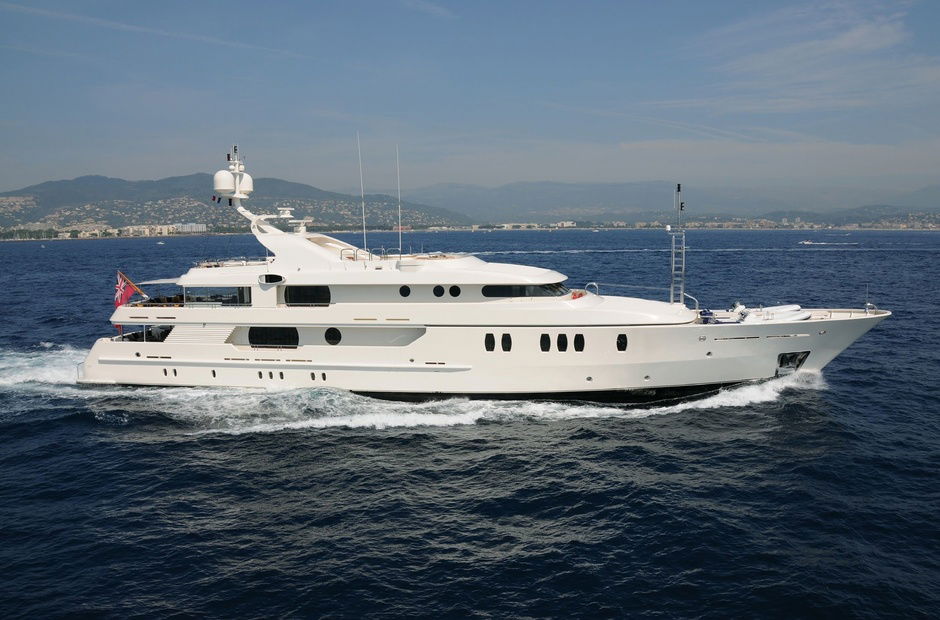

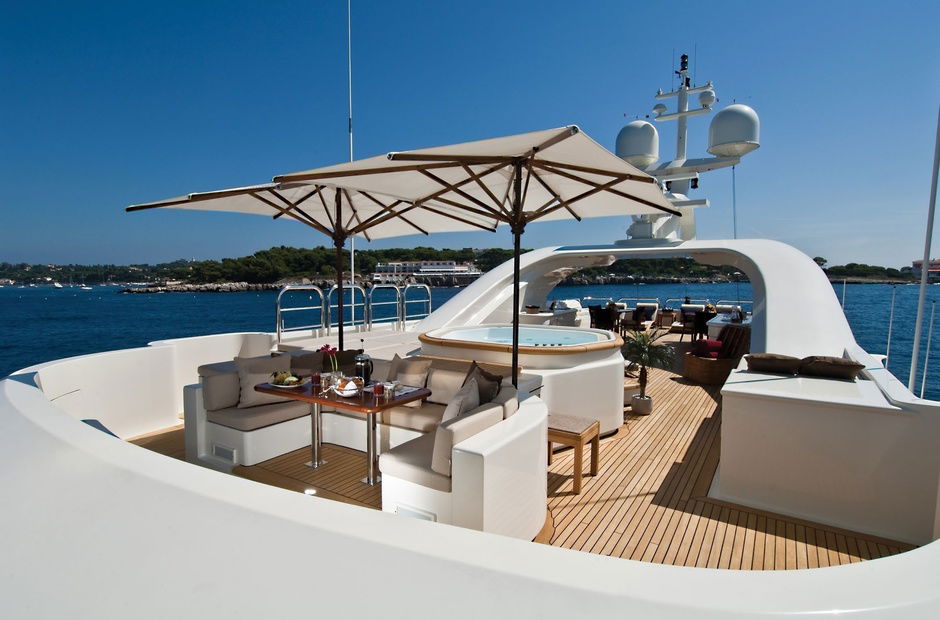
Images have been gathered from various sources and belong to their respective owners.
Review - Amels Seahorse

MarineBroker
03/12/2024, 9:19 AM
1999 Amels Seahorse: What Buyers and Owners Should Know Before Making a Move
If you’ve been searching for information on the 1999 Amels Seahorse, you’re probably already past the “just browsing” stage. Maybe you’re comparing classic superyachts, maybe you’re trying to understand whether this vessel is a smart purchase, or maybe you’re simply curious about what makes an older Amels yacht still relevant today. Either way, the big question is usually the same: how do you evaluate an older luxury yacht without getting caught out by hidden maintenance costs, outdated systems, or the wrong fit for your cruising plans?
That’s the real challenge with a yacht like the 1999 Amels Seahorse. Older superyachts can offer exceptional value, craftsmanship, and character, but they also demand a smarter buying approach than newer boats. It’s not just about the name on the hull. It’s about condition, refit history, engineering, and whether the yacht still matches the way you want to use it.
The good news is that with the right checklist, you can separate a great opportunity from an expensive headache. In this article, we’ll walk through the key things to know about the 1999 Amels Seahorse, the common problems buyers face with yachts of this era, and the practical steps that help you make a confident decision.
- What Makes the 1999 Amels Seahorse Worth a Closer Look
Amels has long been associated with solid Dutch yachtbuilding, and that reputation matters. A 1999 build from a respected shipyard often means you’re looking at strong construction, thoughtful engineering, and a layout designed for real long-range use rather than just showroom appeal.
For many buyers, the attraction of a yacht like the 1999 Amels Seahorse is a mix of three things:
- Proven pedigree
- Larger-yacht comfort at a more accessible entry point
- The potential for value through refit and modernization
Older superyachts can be incredibly appealing because they often deliver a level of space and build quality that would cost significantly more in a brand-new yacht. But the flip side is that “older” also means you need to pay attention to what has been updated over time.
The best way to think about this yacht is not as a static product, but as a platform. If the hull, machinery, and interior structure are in good shape, the vessel may still have a lot to offer. If not, the cost of bringing it up to standard can quickly change the equation.
- The Main Problem Buyers Face With Older Superyachts
The biggest issue with a yacht from 1999 is not necessarily age itself. It’s uncertainty.
Buyers often struggle with questions like:
- Has the yacht been properly maintained?
- Are the engines and generators still reliable?
- Have safety systems been upgraded?
- Is the interior dated only cosmetically, or functionally too?
- Will the yacht meet current expectations for comfort and efficiency?
These are important because older yachts can hide costs in places that are not obvious during a casual walkthrough. A polished interior may look great, but the real value sits in the mechanical systems, electrical setup, plumbing, insulation, and structural condition.
For a yacht like the 1999 Amels Seahorse, the challenge is to determine whether it has been cared for consistently or if it needs a major refit. A well-maintained yacht can be a fantastic buy. A neglected one can become a long project with a large budget attached.
- How to Evaluate the 1999 Amels Seahorse Properly
If you’re seriously considering this yacht, start with the basics and work outward. The goal is to understand the vessel as a whole, not just the parts that look impressive in photos.
- Review the Maintenance History
A complete maintenance record is one of the strongest indicators of a yacht’s true condition. Look for:
- Engine service logs
- Generator servicing
- Refit records
- Paint and hull maintenance
- Electrical and plumbing work
- Safety equipment replacement
A yacht with regular documentation tells a better story than one with gaps and vague answers. Even if the boat looks good, missing records can mean hidden issues later.
- Inspect the Mechanical Systems
On an older superyacht, machinery condition matters more than cosmetics. Pay close attention to:
- Main engines
- Generators
- Stabilizers
- Steering gear
- Fuel system
- Cooling systems
- Bilge and pumping equipment
If possible, have a marine surveyor and a qualified engineer inspect the vessel. This is where many buyers save themselves from expensive surprises. A clean sea trial is helpful, but it should not replace a full mechanical review.
- Check for Refit Quality
Not all refits are equal. A yacht may have been updated, but the quality of that work matters just as much as the fact it was done.
Look for signs of good refit work:
- Matching finishes and clean installation
- Organized wiring and plumbing
- Proper labeling
- Modern navigation and communication systems
- Updated safety compliance
Poor refits often show up as shortcuts: loose fittings, patchy repairs, mismatched materials, or electronics that look new but were installed without proper integration.
- Assess the Interior for Practical Use
A yacht’s interior can be beautiful and still not work for your lifestyle. Ask yourself:
- Is the layout functional for family cruising?
- Are the guest cabins comfortable?
- Is crew circulation efficient?
- Does the salon still feel open and usable?
- Are storage spaces adequate?
Some older yachts have interiors that feel luxurious but are less practical by modern standards. If you plan to spend extended time onboard, comfort and usability matter as much as style.
- Why the 1999 Amels Seahorse Can Still Be a Smart Choice
Older yachts often get dismissed too quickly. That’s a mistake. In the right condition, a vessel like the 1999 Amels Seahorse can offer excellent value because the original build quality is already there.
Here’s why some buyers actively seek yachts like this:
- You may get more volume for your budget
- The yacht may have already completed its early depreciation
- A solid hull and platform can support future upgrades
- Classic yacht design often ages better than trendy styling
There’s also a practical side. Many owners want a yacht that can cruise comfortably without paying new-build pricing. If the vessel has been maintained and modernized properly, an older Amels can deliver that balance well.
The key is not to expect a 1999 yacht to feel brand new. Instead, judge whether it has the bones to be a reliable and enjoyable platform for the next stage of ownership.
- Common Red Flags to Watch For
Even a respected yacht can become a poor purchase if warning signs are ignored. When evaluating the 1999 Amels Seahorse, keep an eye out for these issues:
- Incomplete service records
- Evidence of deferred maintenance
- Outdated electronics with no upgrade plan
- Corrosion around fittings or machinery spaces
- Moisture intrusion or soft spots
- No recent haul-out or hull inspection
- Interior updates that mask deeper structural problems
One of the most common traps is focusing too much on appearance. A freshly cleaned yacht can still have aging systems underneath. Another trap is assuming that because a yacht is from a top shipyard, everything must be fine. Build quality helps, but it does not replace inspection.
If any of these red flags appear, don’t panic. Just move slower, investigate further, and price the risk accurately.
- What a Practical Buying Strategy Looks Like
If you’re serious about the 1999 Amels Seahorse, the smartest approach is to treat the process like a project evaluation, not an emotional purchase.
Here’s a simple framework:
1. Start with the yacht’s documented history
Ask for maintenance logs, ownership records, and refit details.
2. Hire the right survey team
Use a marine surveyor with superyacht experience, plus an engineer if possible.
3. Budget for immediate work
Even a good yacht often needs updates after purchase.
4. Separate cosmetic upgrades from essential ones
New upholstery is nice, but engine reliability and safety systems come first.
5. Plan for ownership costs, not just acquisition cost
Dockage, crew, insurance, fuel, and ongoing maintenance all matter.
This approach helps you avoid the common mistake of buying based on headline price alone. A lower purchase price can easily be offset by a major refit if the yacht needs too much work.
- The Real Cost of Ownership: Why It Matters More Than Sticker Price
When people look at older yachts, they often focus on the asking price. That’s understandable, but it only tells part of the story.
The real question is: what will it cost to own and operate the yacht properly?
For a yacht like the 1999 Amels Seahorse, your budget should consider:
- Routine annual maintenance
- Engine and generator servicing
- Haul-outs and inspections
- Cosmetic upkeep
- Electronics replacement over time
- Crew costs
- Insurance and compliance
- Unexpected repairs
Older yachts can be rewarding, but they are rarely “cheap” in the long run. What they can be is good value if purchased carefully. A well-kept yacht may cost more upfront than a neglected one, but often far less over time.
That’s why buyers who understand lifecycle costs usually make better decisions than those chasing the lowest price.
- How to Tell If It Fits Your Use Case
Not every yacht is right for every owner. Before moving forward, think about how you actually plan to use the vessel.
Ask yourself:
- Will this be a private family yacht or a charter platform?
- Do you need long-range cruising capability?
- Will you spend weekends onboard or extended periods?
- How important is modern styling versus classic character?
- Do you want a project, or a turnkey experience?
If you want a yacht that feels polished and ready with minimal downtime, you’ll need to verify that the 1999 Amels Seahorse has already had the right upgrades. If you enjoy improving a yacht over time, then a solid older platform may be ideal.
The best yacht is the one that matches your real habits, not just your initial excitement.
- Practical Tips for Buyers Considering a Yacht of This Era
Here are a few simple but useful tips that can save time and money:
- Never skip the sea trial
- Ask for engine hours and service intervals
- Check the age of critical systems, not just the yacht itself
- Compare the cost of refit work before making an offer
- Verify compliance with current safety standards
- Speak with a broker who understands older superyachts
- Review the yacht’s cruising history if available
These steps may seem basic, but they make a huge difference. Many problems can be identified early if you ask the right questions and insist on proper inspections.
- Why Professional Guidance Makes the Process Easier
Buying an older yacht is not something you need to figure out alone. In fact, professional support is often the difference between a smooth purchase and a stressful one.
A good broker, surveyor, and technical advisor can help you:
- Interpret maintenance records
- Spot hidden issues
- Estimate refit costs
- Negotiate based on real condition
- Understand what is urgent versus optional
This is especially valuable for a yacht like the 1999 Amels Seahorse, where condition and history matter more than age alone. The right team can help you see the yacht clearly, without getting distracted by polished surfaces or vague seller claims.
- Conclusion
The 1999 Amels Seahorse can be a compelling option for buyers who appreciate quality construction, classic superyacht character, and the potential value of an older vessel done right. The main challenge is not the yacht’s age itself, but knowing whether it has been maintained, updated, and cared for in a way that supports reliable ownership.
If you focus on documentation, mechanical condition, refit quality, and real operating costs, you’ll be in a much stronger position to make a smart decision. Take your time, bring in the right experts, and judge the yacht by its systems and history as much as its appearance. If you’re exploring similar yachts, it’s worth comparing refit levels and maintenance records side by side before committing.
Specifications
General
Boat Type: Power Boats
Class Type: Mega Yacht
Specifications
Length: 170.6
Beam: 29.53
Draft: 10.5
Hull Material: Steel
Build
First Built: 1999
Propulsion
Fuel Type: Diesel
Engines: 2
Power: 1200 HP
Brand: Cummins
Accomodation
Cabins: 6
PROS & CONS
What we appreciated
 Classic and timeless design with strong build qualitySpacious and comfortable interior suitable for extended cruisingSolid reputation for seaworthiness and reliabilityAmple storage and tank capacity for long voyagesGood resale value due to brand prestige
What we didn’t appreciate
 Older model may require updates to electronics and navigation systemsMaintenance and parts can be costly due to age and brandFuel efficiency may be lower compared to modern vesselsLimited availability of spare parts specific to the modelPotentially outdated safety features by current standards
Upkeep Costs
Annual Maintenance: $20,000 - $50,000
Fuel: $30,000 - $70,000 per year (depending on usage)
Docking and Marina Fees: $15,000 - $40,000 per year
Insurance: $10,000 - $25,000 per year
Crew Salaries: $150,000 - $300,000 per year (if applicable)

Rating
7.6
User
Score
Score
Driveability
Technology
Interior
Design
Similar Boats


MarineBroker
Download now for an immersive boat experience like never before! ⛵✨ Your journey begins with a simple click. 🌊📲
#SetSailSmart #DownloadNow
#SetSailSmart #DownloadNow

Subscribe
Copyright 2017 - 2026, Marinebroker.net, All Rights Reserved