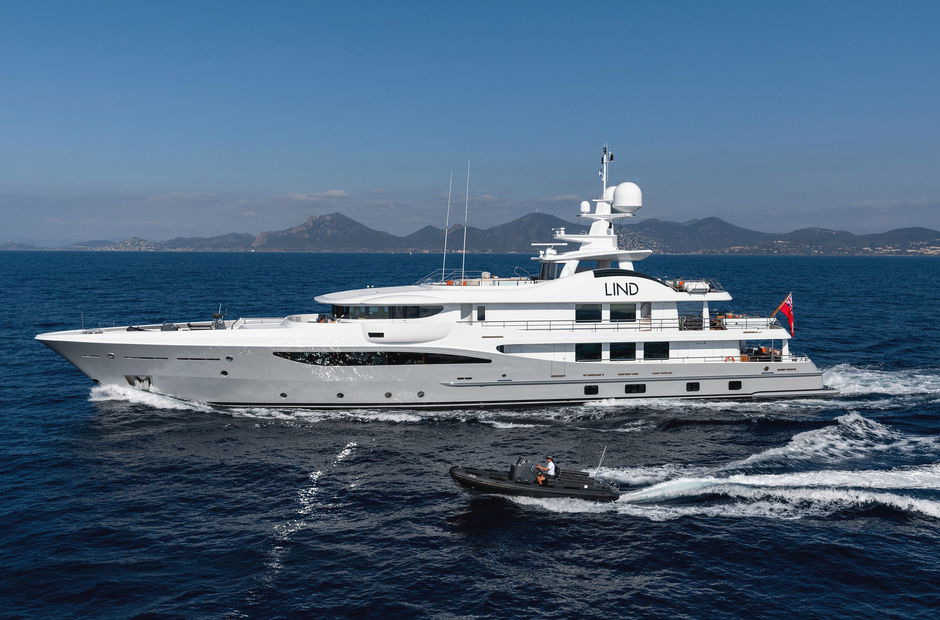
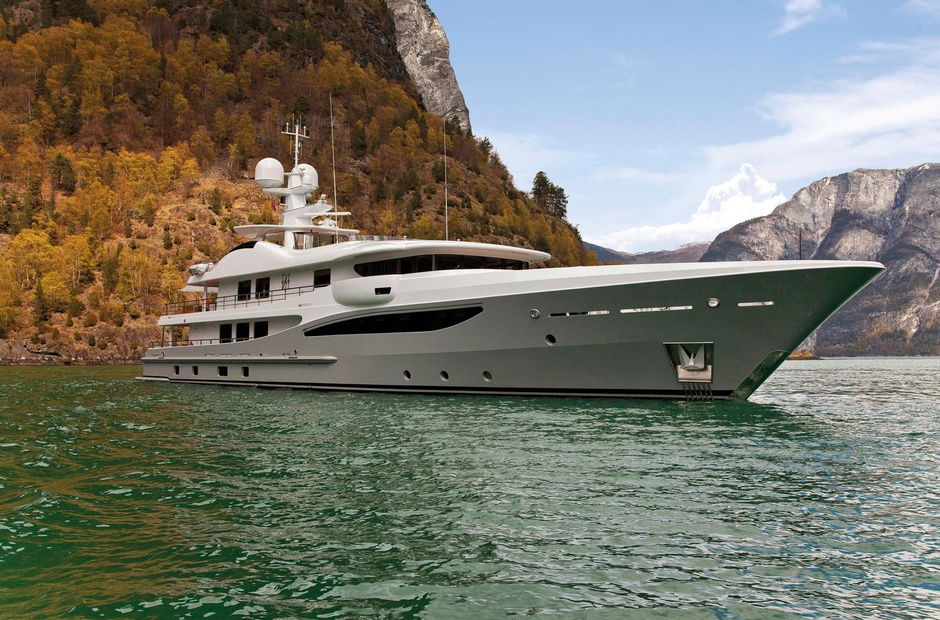
2010 Amels Lind: What Buyers and Enthusiasts Should Know Before Looking Closer
If you’ve been searching for a 2010 Amels Lind, you’re probably already past the “what is it?” stage and into the more practical question: is this the...
Discover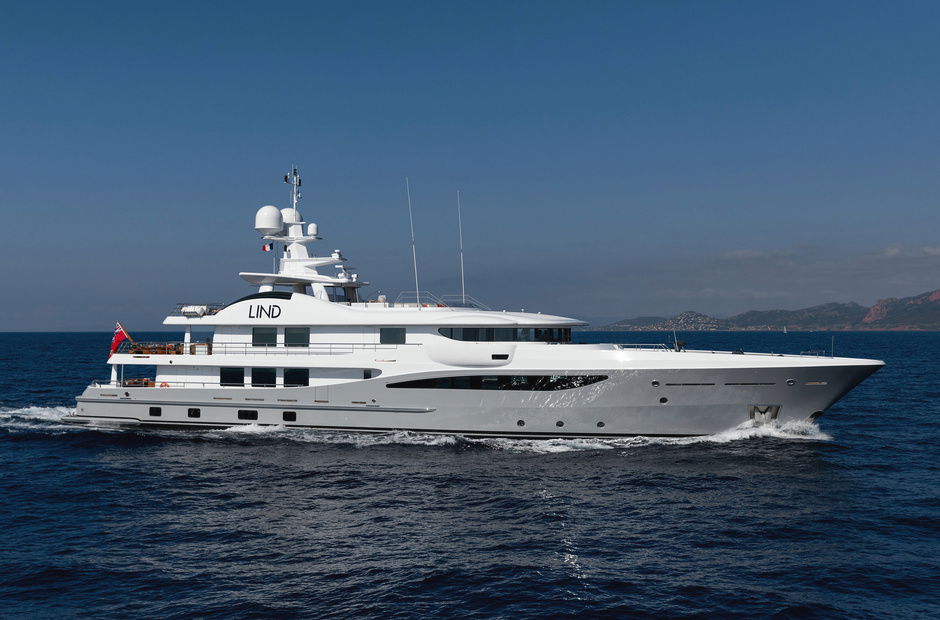

Images have been gathered from various sources and belong to their respective owners.
Review - Amels Lind

MarineBroker
03/11/2024, 11:45 AM
2010 Amels Lind: What Buyers and Enthusiasts Should Know Before Looking Closer
If you’ve been searching for a 2010 Amels Lind, you’re probably already past the “what is it?” stage and into the more practical question: is this the right yacht for my needs, and how do I evaluate it properly? That’s a smart place to be. With a yacht like this, the real challenge isn’t just admiring the design or the pedigree—it’s understanding how to judge condition, upkeep, layout, and long-term usability before making any decisions.
A yacht from a respected builder can look great on paper, but ownership or purchase confidence comes from knowing the details that matter most. Things like maintenance history, refit quality, systems reliability, and how the vessel fits your cruising style can make a huge difference. For many people interested in the 2010 Amels Lind, the problem is simple: there’s a lot of appeal, but not always enough clarity.
The good news is that this kind of uncertainty can be reduced with the right approach. By focusing on the yacht’s build quality, inspection points, and practical ownership considerations, you can make a much more informed decision and avoid costly surprises later.
- Why the 2010 Amels Lind draws attention
The 2010 Amels Lind stands out because Amels has long been associated with solid Dutch craftsmanship, thoughtful engineering, and a strong reputation in the superyacht world. For enthusiasts, that combination is often enough to spark interest right away.
But interest alone doesn’t solve the real buyer’s problem. Most people looking at a yacht in this class want to know:
- Is it still mechanically and cosmetically sound?
- Has it been maintained to a high standard?
- Will it suit the kind of cruising I actually want to do?
- Are there hidden costs after purchase?
That’s where a careful evaluation matters. A yacht like this can be a fantastic opportunity, but only if you look beyond the headline specs and into the actual condition and operating profile.
- The main problem: separating reputation from reality
One of the biggest mistakes buyers make with yachts like the 2010 Amels Lind is assuming that a strong brand automatically means a trouble-free vessel. In reality, even very well-built yachts need consistent care, and a 2010 model has had enough years in service that condition can vary widely from one example to another.
The core problem is not the yacht itself. It’s the gap between what people expect and what they actually verify.
Common concerns include:
- Deferred maintenance hidden behind a polished appearance
- Older systems that may need upgrading
- Wear from heavy charter or frequent use
- Cosmetic refits that look impressive but don’t address technical issues
- Confusion about operating costs and crew requirements
This is especially important for buyers who are new to larger yachts. A vessel may look ready to go, but if major systems haven’t been serviced properly, the first season of ownership can become expensive fast.
- What makes a 2010 Amels Lind worth a closer look
When evaluating a yacht like the 2010 Amels Lind, the goal is to understand its strengths in context. A good yacht is not just about luxury finishes. It’s about how well it has aged, how intelligently it was built, and how easy it is to keep in top shape.
Some of the reasons people continue to look at Amels yachts from this era include:
- Strong construction standards
- Practical onboard layouts
- Good seakeeping for long-range cruising
- A reputation for durable engineering
- Flexible interior and exterior spaces
These are real advantages, but they only matter if the specific yacht has been maintained properly. A well-kept 2010 yacht can still feel current and capable. A neglected one, even from a top builder, can become a project.
That’s why the smart solution is not to focus only on the brand name. Instead, focus on the vessel’s history, service records, and current mechanical condition.
- How to evaluate the condition of a 2010 Amels Lind
If you’re seriously considering the 2010 Amels Lind, the best way to reduce risk is to inspect the yacht in a structured way. A professional survey is essential, but even before that, you can look for signs that tell you a lot.
Here’s a practical checklist:
- Review the maintenance log
- Look for regular engine servicing, generator maintenance, and system checks.
- Gaps in records often matter more than cosmetic wear.
- Ask about major refits
- Find out whether the yacht has had updates to navigation, stabilization, HVAC, upholstery, or paint.
- A thoughtful refit can add years of useful life.
- Check propulsion and machinery hours
- Lower hours are not always better if the yacht has sat unused.
- Consistent use with proper care is often healthier than long periods of inactivity.
- Inspect visible wear areas
- Teak decks, window seals, soft furnishings, and high-traffic areas can reveal how the yacht has been treated.
- Small details often tell the real story.
- Review classification and compliance status
- Make sure the yacht is up to date with safety and regulatory requirements.
- This can affect both operation and resale value.
- Understand the crew’s maintenance routine
- A well-run yacht usually shows it in the small things: clean bilges, tidy machinery spaces, organized spares, and consistent documentation.
The point is simple: the more evidence you have, the easier it is to judge whether the yacht is a polished package or a genuine long-term asset.
- Why maintenance history matters more than age alone
A 2010 yacht is not “old” in the way many people imagine, but it is old enough that its condition depends heavily on how it has been managed. That’s why maintenance history is often more important than the build year itself.
For example, two yachts from the same year can be in totally different states:
- Yacht A has had regular servicing, updated electronics, and a documented refit.
- Yacht B has been used irregularly, with patchy records and cosmetic touch-ups only.
On paper, they may look similar. In reality, Yacht A is usually the safer and more enjoyable choice.
For the 2010 Amels Lind, this means checking:
- Engine and generator service intervals
- Stabilizer servicing
- Paint and exterior preservation
- Interior systems upkeep
- Safety equipment replacement dates
- Tender and toy maintenance, if relevant
A yacht that has been cared for consistently is usually easier to own, easier to insure, and easier to enjoy.
- The practical ownership question: what will it cost to run?
One of the biggest concerns for people interested in a yacht like the 2010 Amels Lind is not just purchase price, but ongoing cost. That’s a completely fair concern.
Operating costs can include:
- Crew salaries
- Fuel
- Dockage and marina fees
- Insurance
- Routine maintenance
- Annual surveys and certifications
- Refit reserves
- Consumables and spare parts
If you’re planning to use the yacht regularly, these costs become part of the real ownership picture. Even a well-maintained yacht can become expensive if the annual budget is too tight.
A good rule of thumb is to think in terms of total ownership, not just acquisition. Many buyers underestimate the amount needed for upkeep, especially on larger yachts where systems are complex and professional support is essential.
The practical solution is to build a realistic operating budget before committing. That way, the yacht remains a pleasure rather than a financial stress point.
- How to tell if the layout fits your cruising style
Another important factor with the 2010 Amels Lind is whether the layout actually works for your lifestyle. A yacht can be beautiful and still be a poor match if the flow, cabin arrangement, or deck spaces don’t suit how you travel.
Ask yourself:
- Will I cruise with family, guests, or charter clients?
- Do I need more outdoor lounging space or more private interior space?
- Is the master suite placement important to me?
- Will I use the yacht for short coastal trips or longer passages?
- Do I need dedicated crew spaces for efficient service?
These questions matter because the best yacht is the one that supports your routine comfortably. A layout that feels right on a walkthrough often proves its value later at sea.
If possible, spend time onboard in different conditions. What feels spacious at the dock may feel different underway. Pay attention to noise, movement, privacy, and how easily people can move around the vessel.
- Common red flags to watch for
Even on a respected yacht like the 2010 Amels Lind, there are warning signs that deserve attention.
Watch for:
- Incomplete records
- Fresh cosmetic work with no technical explanation
- Signs of water intrusion around windows or deck fittings
- Uneven wear patterns that suggest poor use
- Outdated electronics or navigation systems
- Machinery spaces that look neglected
- Excessive vibration, unusual smells, or noisy operation during sea trial
None of these automatically mean the yacht is a bad choice. But they do mean you should slow down and investigate further.
A yacht purchase should never be based on a quick impression alone. The best decisions come from combining visual inspection, expert survey results, and a realistic understanding of future upkeep.
- A smarter way to approach the 2010 Amels Lind
If you want a practical solution to the uncertainty around a yacht like this, the answer is to use a step-by-step evaluation process.
Here’s a simple approach:
1. Define your use case
Decide how you plan to use the yacht: private cruising, entertaining, extended trips, or charter-style use.
2. Review the documentation
Look at service logs, ownership history, refit records, and compliance paperwork.
3. Inspect the technical condition
Hire qualified surveyors and engineers to assess the hull, machinery, electrical systems, and major equipment.
4. Sea trial the vessel
A sea trial can reveal issues that a dockside inspection won’t show.
5. Estimate total ownership cost
Include maintenance, crew, insurance, and expected upgrades.
6. Compare against alternatives
Even if the 2010 Amels Lind is your favorite, compare it with similar yachts to understand value and condition differences.
This process may sound detailed, but it saves time and money. More importantly, it helps you buy with confidence instead of hope.
- Why a yacht like this can still be a strong choice
A well-kept 2010 Amels Lind can still be very attractive for someone who values quality, pedigree, and practical cruising capability. Older yachts are often especially appealing when they have already absorbed the biggest early depreciation, yet still offer strong construction and proven performance.
That said, the yacht’s value comes from condition as much as brand. If the vessel has been properly maintained, updated where needed, and matched to the right owner profile, it can be a very satisfying option.
This is why careful buyers often prefer used yachts with transparent history. You’re not just buying a build year. You’re buying a record of care.
- Final thoughts for buyers and enthusiasts
The 2010 Amels Lind appeals to people who appreciate serious yacht craftsmanship, but the real key is knowing how to evaluate it properly. The main challenge is not finding something attractive—it’s making sure the yacht’s condition, maintenance, and operating costs align with your expectations.
The best solution is a methodical one: review the history, inspect the systems, sea trial the yacht, and think through long-term ownership before making a move. That approach turns uncertainty into clarity and helps you focus on what really matters: enjoying the yacht with confidence.
If you’re exploring this model further, take your time, ask detailed questions, and use trusted surveyors and brokers to fill in the gaps. A well-informed decision is always the most rewarding one.
Specifications
General
Boat Type: Power Boats
Class Type: Mega Yacht
Specifications
Length: 171.59
Beam: 29.53
Draft: 7.55
Hull Material: Steel
Build
First Built: 2010
Propulsion
Fuel Type: Diesel
Engines: 2
Power: 1408 HP
Brand: MTU
Accomodation
Cabins: 5
PROS & CONS
What we appreciated
 Spacious and luxurious interior designHigh-quality craftsmanship and materialsStable and comfortable cruising performanceWell-known reputation for durability and reliabilityGood resale value due to brand prestige
What we didn’t appreciate
 Older model, may require more maintenanceFuel consumption can be high due to size and engineLimited availability of spare parts compared to newer modelsPotentially outdated navigation and onboard technologyHigher operating and docking costs
Upkeep Costs
Annual maintenance and repairs: $100,000 - $150,000
Crew salaries: $300,000 - $500,000 per year
Fuel costs: $150,000 - $250,000 per year depending on usage
Insurance: $50,000 - $100,000 per year
Docking and mooring fees: $50,000 - $100,000 per year
Rating
8.2
User
Score
Score
Driveability
Technology
Interior
Design
Similar Boats


MarineBroker
Download now for an immersive boat experience like never before! ⛵✨ Your journey begins with a simple click. 🌊📲
#SetSailSmart #DownloadNow
#SetSailSmart #DownloadNow

Subscribe
Copyright 2017 - 2026, Marinebroker.net, All Rights Reserved