2018 Alubat Ovni 450: What Owners and Buyers Should Know Before You Set Sail
The 2018 Alubat Ovni 450 has a reputation that makes a lot of sailors stop and pay attention. It’s an aluminum cruising yacht with serious offshore capa...
Discover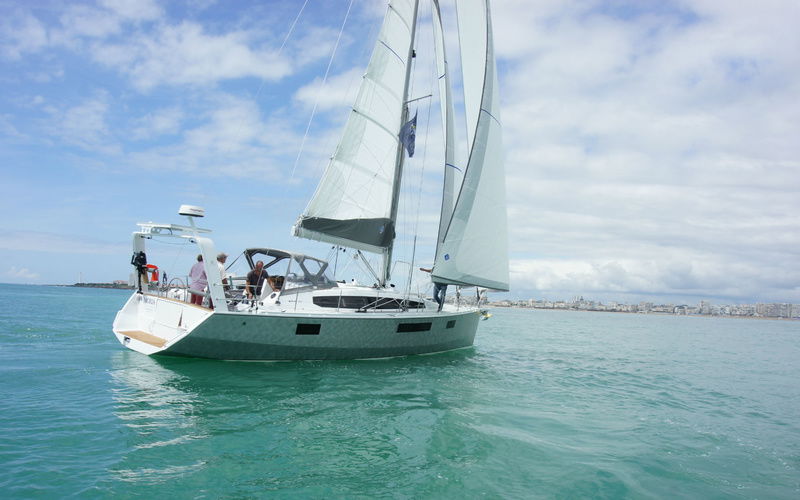


Images have been gathered from various sources and belong to their respective owners.
Review - Alubat Ovni 450

MarineBroker
02/20/2024, 7:09 AM
2018 Alubat Ovni 450: What Owners and Buyers Should Know Before You Set Sail
The 2018 Alubat Ovni 450 has a reputation that makes a lot of sailors stop and pay attention. It’s an aluminum cruising yacht with serious offshore capability, strong shallow-water performance, and the kind of build quality that appeals to people who want to go far without constantly worrying about the boat. But if you’re researching this model, there’s a good chance you’re facing a familiar problem: how do you separate the hype from the real-world ownership experience?
That question matters because buying or evaluating a boat like the Ovni 450 is not just about specs. It’s about how the boat behaves in rough water, how easy it is to live with, what maintenance looks like, and whether it fits your style of cruising. A boat can look ideal on paper and still be a poor match in practice.
The good news is that the 2018 Alubat Ovni 450 is a boat with a very clear purpose, and once you understand that purpose, the decision becomes much easier. In this article, we’ll look at what makes the Ovni 450 stand out, the common concerns people have, and how to approach ownership or purchase with confidence.
- Why the 2018 Alubat Ovni 450 stands out
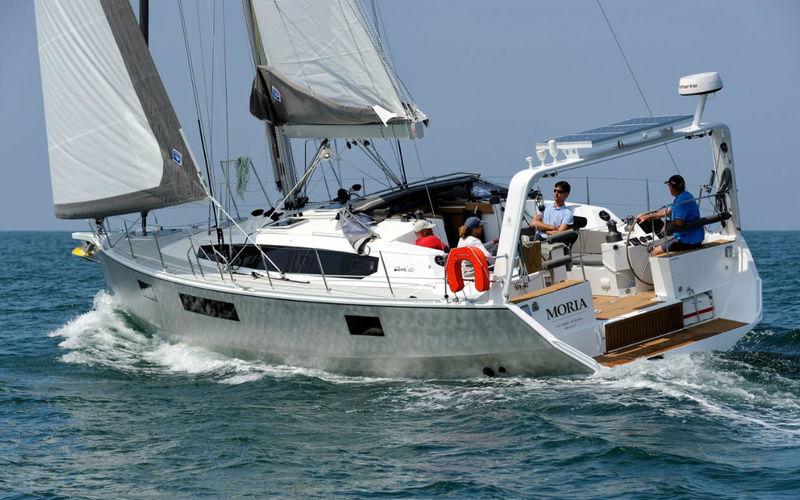
The Ovni 450 comes from Alubat, a French yard known for building aluminum sailing yachts designed for serious cruising. The “Ovni” line has long been associated with lifting keels, rugged construction, and the ability to explore places that deeper-fin-keel yachts can’t easily reach.
That combination makes the 2018 Alubat Ovni 450 especially appealing to sailors who want flexibility. It’s not just an ocean cruiser. It’s a boat that can handle bluewater passages and still sneak into shallow anchorages, tidal rivers, and remote bays.
A few reasons this model gets attention:
- Aluminum hull construction for durability and repairability
- Lifting keel for shallow draft versatility
- Strong offshore cruising pedigree
- Spacious layout for a boat built with expedition-style capability
- Good balance of performance and safety-oriented design
For many buyers, the appeal is simple: one boat that can cross oceans, explore coastlines, and anchor where others can’t.
- The real problem: choosing a boat that matches how you actually sail
A lot of people searching for the 2018 Alubat Ovni 450 are not just admiring it. They’re trying to answer a bigger question: “Is this the right boat for my kind of cruising?”
That’s the real challenge.
It’s easy to get caught up in the idea of an aluminum cruiser with a lifting keel. But the right choice depends on your actual use case. Are you planning long-distance passagemaking? Living aboard full time? Coastal cruising with occasional offshore trips? Sailing mostly in areas with shallow anchorages?
If your sailing plans don’t match the boat’s strengths, even a very capable yacht can feel like the wrong fit. On the other hand, if your priorities align with what the Ovni 450 does best, it can be an excellent solution.
The practical solution is to evaluate the boat through five lenses:
1. Cruising style
2. Maintenance expectations
3. Draft and anchoring needs
4. Offshore safety priorities
5. Budget, including refit and ownership costs
That approach helps you decide based on reality, not just excitement.
- 2018 Alubat Ovni 450 overview
The 2018 Alubat Ovni 450 is a center-cockpit or deck-saloon-style cruising yacht depending on configuration and layout, designed for serious passage-making with a focus on versatility. It typically appeals to experienced sailors, liveaboard cruisers, and owners who value independence.
What makes it different from many production fiberglass cruisers is the combination of aluminum construction and a lifting keel. That means the boat can reduce draft when needed, giving access to shallow harbors and anchorages, while still offering solid offshore capability when the keel is down.
This is especially useful in places like:
- The Bahamas
- The Caribbean
- The Mediterranean
- The Pacific islands
- Shallow coastal cruising grounds with tidal ranges or sandbars
In other words, the Ovni 450 is built for sailors who want options.
- Why aluminum matters on the 2018 Alubat Ovni 450
One of the biggest selling points of this boat is its aluminum hull and structure. For many buyers, that’s a major reason to consider it over fiberglass alternatives.
Aluminum has several practical advantages:
- Strong and impact-resistant
- Easier to repair in many remote cruising regions
- Better suited to long-term expedition-style use
- Often preferred by sailors who expect heavy use and varied conditions
That said, aluminum is not “maintenance-free,” and that’s where some buyers run into trouble. The solution is to understand what aluminum needs and what it doesn’t.
You’ll want to pay attention to:
- Corrosion protection
- Electrical bonding and stray current issues
- Paint condition and surface treatment
- Hardware installation quality
- Previous repairs and weld integrity
If the maintenance history is good, aluminum can be a fantastic long-term material. If it’s been neglected, problems can become expensive.
- Lifting keel benefits and trade-offs
The lifting keel is one of the most attractive features of the 2018 Alubat Ovni 450, but it’s also one of the areas buyers should study carefully.
Benefits include:
- Shallow draft for anchorages and coastal access
- Greater route flexibility
- Easier entry into harbors with tidal restrictions
- More options for cruising grounds
But there are trade-offs too:
- More mechanical complexity
- Need for regular inspection and maintenance
- Potential concerns about wear, alignment, and operation
- More moving parts than a fixed-keel cruiser
The solution is not to avoid a lifting-keel boat automatically. It’s to verify that the system has been properly maintained and that you’re comfortable with the operating routine.
Ask questions like:
- How often has the keel mechanism been serviced?
- Are there records of inspections or repairs?
- Does the keel operate smoothly under load?
- Are there signs of corrosion or unusual wear?
- Has the boat been grounded or damaged in the past?
If the answers are solid, the lifting keel can be a huge advantage.
- Performance: what to expect from the 2018 Alubat Ovni 450
The Ovni 450 is not trying to be the fastest boat in the marina. Its design priorities are more about safe passage-making, versatility, and comfortable cruising.
Still, performance matters. And for many sailors, the question is whether it sails well enough to justify its cruising-focused design.
In general, owners and prospects look for:
- Balanced handling
- Good offshore stability
- Reliable performance under sail
- Comfortable motion in a seaway
- Ability to carry cruising gear without becoming sluggish
A boat like this is often better evaluated on average passage comfort and real-world usability than on pure speed. If you are planning long offshore legs, a stable and predictable yacht can be more valuable than a faster but more demanding one.
Practical tip: when evaluating one in person, ask for sail inventory details and look at the condition of the rig, sails, and steering system. A capable hull still needs a healthy rig to perform well.
- Interior layout and liveaboard comfort
The 2018 Alubat Ovni 450 is often chosen by sailors who expect to spend real time aboard. That means the interior matters a lot.
Common priorities include:
- Storage for cruising gear
- Good ventilation
- Functional galley layout
- Comfortable berths for passage-making
- Practical navigation and living spaces
The best cruising boats are usually the ones that make daily life easy. You may not notice luxury details after the first week, but you will absolutely notice poor storage, awkward movement below, or a galley that becomes frustrating underway.
If you’re considering this model, think about:
- How many people will live aboard?
- Will you cruise short-handed or with family?
- Do you need a dedicated work area?
- How much gear will you carry for offshore cruising?
The right interior layout can make the difference between a boat that feels adventurous and one that feels cramped.
- Common concerns buyers should check on a 2018 Alubat Ovni 450
Even a highly regarded yacht deserves a careful inspection. With a boat like the Ovni 450, the biggest concerns are usually not about the concept, but about condition, maintenance, and how the previous owner used it.
Here’s what to check closely:
- Keel mechanism condition
- Aluminum corrosion or paint blistering
- Electrical system quality and grounding
- Rigging age and service records
- Engine hours and maintenance history
- Deck hardware sealing and wear
- Evidence of grounding or hard impacts
- Water intrusion around fittings and windows
A pre-purchase survey is essential, but for this kind of boat, you want a surveyor who understands aluminum construction and lifting-keel systems. That expertise matters.
A general survey may miss details that are specific to this design.
- How to solve the ownership challenge: buy the boat for your cruising plan
The smartest way to approach the 2018 Alubat Ovni 450 is to match the boat to your cruising goals.
Here’s a simple framework:
- If you want shallow-water access and offshore capability, this boat makes a lot of sense
- If you want low-maintenance simplicity above all else, a fixed-keel fiberglass cruiser may be easier
- If you plan remote or long-term cruising, the aluminum hull is a strong advantage
- If you don’t need the lifting keel or rugged build, you may be paying for capabilities you won’t use
That’s the practical solution: buy the boat that fits your real sailing life.
This model is especially compelling for sailors who value independence. If you want to explore places with tricky depths, variable conditions, and limited marina access, the Ovni 450 can be a very smart platform.
- Maintenance tips for long-term ownership
Owning a boat like this is very manageable when you stay ahead of maintenance. The key is consistency, not perfection.
Helpful habits include:
1. Inspect the keel system regularly
Look for smooth operation, unusual noises, corrosion, or wear.
2. Track electrical issues early
Aluminum boats are especially sensitive to poor wiring practices and stray current problems.
3. Protect the hull finish
Paint and surface coatings matter for both appearance and corrosion resistance.
4. Service the rig on schedule
Standing rigging is not something to “wait and see” about on an offshore cruiser.
5. Keep detailed records
Service logs help you catch patterns and protect resale value.
6. Use qualified specialists
Not every yard has the right experience with aluminum yachts.
If you stay organized, ownership becomes much less stressful.
- Is the 2018 Alubat Ovni 450 a good choice for you?
This depends on your priorities, but here’s the short version.
The 2018 Alubat Ovni 450 is a strong choice if you want:
- A rugged offshore cruiser
- Aluminum construction
- Shallow draft flexibility
- Serious passagemaking ability
- A boat built for long-term adventure
It may be less ideal if you want:
- The lowest possible maintenance workload
- A simple fixed-keel setup
- A purely marina-focused lifestyle
- The cheapest entry into cruising
That’s not a flaw. It just means the boat is purpose-built for a certain kind of sailor.
If your plans involve exploration, independence, and real cruising range, this model deserves a serious look.
- Smart buying checklist for the 2018 Alubat Ovni 450
Before making a decision, use this quick checklist:
- Review full maintenance records
- Inspect keel operation and service history
- Hire a surveyor experienced with aluminum yachts
- Check for corrosion, especially around fittings and electrical systems
- Evaluate rigging age and sail condition
- Confirm engine service history
- Test all systems underway if possible
- Compare the boat’s setup to your cruising plans
This simple checklist can save you from expensive surprises later.
- Conclusion
The 2018 Alubat Ovni 450 stands out because it solves a very specific problem: how to combine offshore cruising strength with shallow-water flexibility. That’s why it appeals so strongly to sailors who want to go farther, anchor smarter, and explore more varied cruising grounds.
The key is to approach it with clear expectations. Focus on condition, maintenance history, and whether the boat matches your style of sailing. If it does, you’re looking at a capable and versatile cruising platform with real long-distance potential. If you’re still researching, take the time to compare layouts, inspect the keel system carefully, and talk to owners or surveyors familiar with aluminum yachts. That extra effort can make all the difference.
Specifications
General
Boat Type: Sail Boats
Class Type: Cruiser
Specifications
Length: 45.77
Beam: 14.07
Draft: 9.51
Hull Material: Aluminium
Build
First Built: 2018
Propulsion
Fuel Type: Diesel
Engines: 1
Power: 0 HP
Brand: Unknown
Accomodation
Berths: 6
Cabins: 3
Bathrooms: 2
PROS & CONS
What we appreciated
 Robust aluminum hull offering excellent durability and resistance to corrosionGood performance and stability in rough seas due to its heavy displacement designSpacious interior layout for a 45-foot cruiser, providing comfort for extended voyagesWell-regarded for offshore passagemaking capabilitiesHigh-quality build with attention to detail and craftsmanship
What we didn’t appreciate
 Heavier than comparable fiberglass boats, which can affect speed and fuel efficiencyLimited availability of parts and specialized maintenance due to aluminum constructionHigher initial purchase price compared to similar-sized production sailboatsInterior styling may be considered dated or utilitarian by some buyersLess common model, possibly affecting resale value and market demand
Upkeep Costs
Insurance: $800 - $1,200 per year
Maintenance and Repairs: $1,000 - $2,000 per year
Mooring/Storage Fees: $1,500 - $3,000 per year
Fuel Costs: $200 - $500 per year (depending on usage)
Annual Survey and Safety Equipment: $300 - $600 per year

Rating
8.0
User
Score
Score
Driveability
Technology
Interior
Design
Similar Boats


MarineBroker
Download now for an immersive boat experience like never before! ⛵✨ Your journey begins with a simple click. 🌊📲
#SetSailSmart #DownloadNow
#SetSailSmart #DownloadNow

Subscribe
Copyright 2017 - 2026, Marinebroker.net, All Rights Reserved