Boat Type: Power Boats
Boat Class: Motor Yacht
Length: 41.54 ft
Berths: 2
Cabins: 1
Max Persons: 6
Boat Database » Altena Family Cruiser
Altena Family Cruiser
Inboard Direct-Drive, Diesel, 2x 175 HP
Power Boats 2014 Altena Family Cruiser: What Buyers Should Know Before You Make a Move
If you’ve been eyeing a 2014 Altena Family Cruiser, you’re probably already drawn to the idea of comfortable family cruising, solid build quality, and the...
Discover


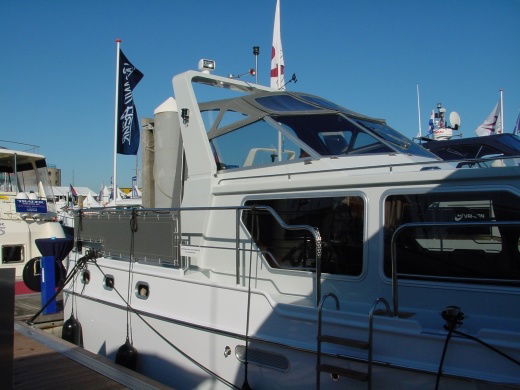
Images have been gathered from various sources and belong to their respective owners.
Review - Altena Family Cruiser

MarineBroker
02/20/2024, 5:03 AM
2014 Altena Family Cruiser: What Buyers Should Know Before You Make a Move
If you’ve been eyeing a 2014 Altena Family Cruiser, you’re probably already drawn to the idea of comfortable family cruising, solid build quality, and the kind of layout that makes weekends on the water feel easy instead of stressful. That’s the appeal of this type of boat: it promises relaxed trips, practical living space, and enough performance to enjoy inland or coastal cruising without feeling like you’re constantly compromising.
But here’s the real challenge for most people looking at a used cruiser like this: it’s not always obvious whether the boat is a smart buy or a future headache. A boat can look great in photos and still hide expensive maintenance issues, outdated systems, or ownership costs that surprise first-time buyers. And with a family cruiser, comfort features matter just as much as mechanical condition.
The good news? If you know what to check, what to ask, and how to judge the boat’s real condition, you can make a much better decision. In this article, we’ll break down the key things to look for in a 2014 Altena Family Cruiser, common problem areas to watch, and practical steps to help you buy with confidence.
- Why the 2014 Altena Family Cruiser appeals to so many boaters
The 2014 Altena Family Cruiser sits in a category that many buyers love: a practical cruising boat with enough space for family trips, weekend stays, and longer relaxed outings. For people who want a boat that feels more like a floating holiday home than a stripped-down performance machine, this style of cruiser makes a lot of sense.
One of the biggest reasons buyers search for a model like this is balance. You typically get a comfortable cabin layout, decent storage, a usable galley, and enough deck space to move around without feeling cramped. That makes it attractive for couples, families, and owners who want to host a few guests without stepping up to a much larger vessel.
The other big draw is usability. A family cruiser is usually designed for easy boarding, manageable handling, and predictable cruising speeds. That matters if you’re not looking for a high-speed boat, but rather something that can handle canal systems, lakes, rivers, or sheltered coastal waters in a relaxed way.
- The main problem buyers face with used family cruisers
The biggest issue with buying a used cruiser like the 2014 Altena Family Cruiser is simple: condition matters more than age alone. A well-kept boat can be a great buy, while a neglected one can quickly become expensive.
Many buyers focus on the layout and cosmetics first. That’s understandable, because interiors and finishes are what you see right away. But with any used boat, the real value is in the hidden systems:
- Engine and drivetrain condition
- Electrical wiring and batteries
- Plumbing and water systems
- Hull and deck integrity
- Maintenance history
- Signs of moisture intrusion or corrosion
A boat that has been lightly used but poorly maintained can be far more costly than a more heavily used vessel with complete service records. That’s why the smartest approach is not to ask, “Does it look nice?” but rather, “Has it been cared for properly?”
For buyers interested in the 2014 Altena Family Cruiser, the practical problem is often uncertainty. You may like the boat, but you need a way to judge whether it’s truly ready for the kind of cruising you want to do.
- What to check first on a 2014 Altena Family Cruiser
Before you get too excited about the interior or the styling, start with the essentials. These are the areas that can make or break the ownership experience.
- Engine and propulsion system
The engine is usually the first place to focus. Ask for service records, oil change intervals, coolant checks, impeller replacements, and any documentation of major repairs.
Look for:
- Smooth starting
- Stable idle
- No unusual smoke
- Clean oil and coolant condition
- No leaks around seals, hoses, or fittings
If the boat has twin engines or a specific drivetrain setup, make sure both sides have been maintained equally. Uneven service history can indicate future problems.
- Hull and structural condition
A family cruiser should feel solid underfoot and free from major structural issues. Inspect the hull for visible damage, repairs, blistering, or signs of impact.
Pay attention to:
- Stress cracks around windows and fittings
- Soft spots on decks
- Evidence of previous repairs
- Moisture around transom or bulkheads
If possible, ask for a professional survey. This is especially important if the boat will be used regularly or moved between different water conditions.
- Electrical system
Older boats often develop electrical quirks that are annoying at best and dangerous at worst. Check that navigation lights, cabin lights, pumps, gauges, and charging systems all work properly.
Look for:
- Corroded terminals
- Messy or unlabelled wiring
- Weak batteries
- Inconsistent charging
- Faulty switches or breakers
A tidy electrical panel is often a good sign, but it should still be tested thoroughly.
- Plumbing and sanitation
Comfort on a cruiser depends heavily on plumbing. A family boat that smells musty or has unreliable water systems can quickly become frustrating.
Inspect:
- Freshwater tank condition
- Pump operation
- Faucets and showers
- Toilet and waste system
- Bilge dryness and drainage
Leaks in plumbing systems can also lead to hidden moisture damage, so don’t ignore even small drips.
- Interior condition
The interior is where many buyers fall in love with a boat, but it should be checked with a practical eye.
Watch for:
- Mold or mildew
- Soft upholstery
- Water stains on ceilings or walls
- Warped cabinetry
- Poor ventilation
A clean interior is nice, but a dry, odor-free interior is much more important.
- Common issues to watch for in a used 2014 Altena Family Cruiser
Every used cruiser has potential weak points, and the 2014 Altena Family Cruiser is no exception. The exact issues depend on maintenance history, usage, and storage conditions, but there are a few common trouble spots worth checking carefully.
- Moisture intrusion
Water is the enemy of almost every boat. Even a small leak around a window, hatch, or deck fitting can cause long-term problems.
Signs include:
- Soft wood trim
- Musty smells
- Discoloration around seams
- Bubbling paint or laminate
- Rust in unexpected places
If you notice these, don’t assume it’s cosmetic. Moisture damage can spread quietly.
- Wear from underuse
This sounds odd, but a boat that sits too long can develop problems too. Engines, seals, pumps, and fuel systems don’t always like being idle.
Underused boats may show:
- Stiff hoses
- Stale fuel issues
- Battery degradation
- Seized components
- Flat spots or aging seals
A boat with regular seasonal use and proper winterization is often healthier than one that has simply been parked for years.
- Aging accessories
A cruiser from 2014 is not ancient, but accessories and electronics may be outdated. That doesn’t make the boat bad, but it may affect your budget.
Common items to review:
- Chartplotters
- VHF radio
- Heating systems
- Stereo and entertainment equipment
- Windlass or anchor gear
If these systems are original, factor in possible replacement costs.
- Poor maintenance records
This is one of the biggest red flags. A boat without clear records can still be good, but you’ll be taking on more uncertainty.
Ask for:
- Annual service invoices
- Engine hours
- Winter storage records
- Survey reports
- Warranty or repair history
If the owner can’t explain the boat’s maintenance history clearly, proceed carefully.
- How to decide if the 2014 Altena Family Cruiser is a good fit
A lot of boat-buying stress comes from comparing the boat you want with the boat you actually need. The 2014 Altena Family Cruiser may be a strong fit if your priorities look like this:
- Comfortable family cruising
- Easy weekend stays aboard
- Practical layout over flashy performance
- Moderate cruising speeds
- Good storage and livability
- Manageable handling for relaxed boating
It may be less ideal if you want:
- High-speed performance
- Very modern styling and tech
- Minimal maintenance responsibility
- A boat that feels brand new without upgrades
Think of it this way: a family cruiser is about lifestyle first. If you want space, comfort, and easy day-to-day use, that’s where this kind of boat shines. If you want excitement and speed, you may be better off looking elsewhere.
- A practical inspection checklist before buying
To make the process easier, use a simple checklist during your viewing or survey.
- Exterior
- Hull condition
- Gelcoat or paint quality
- Window seals
- Hatch seals
- Fenders and cleats
- Deck softness or flex
- Mechanical
- Engine starts and idles well
- No visible leaks
- Clean filters and belts
- Service records available
- Cooling system checked
- Shaft, prop, or drive condition
- Electrical
- Batteries hold charge
- Shore power works
- Lights and pumps function
- Gauges are accurate
- No signs of overheating or corrosion
- Interior
- Dry bilges
- No mold smell
- Upholstery in usable condition
- Cabinet doors and hinges work
- Appliances tested
- Heating and ventilation checked
- Documentation
- Registration papers
- VAT or ownership proof if relevant
- Service invoices
- Survey report
- Manuals for onboard systems
This list won’t replace a professional survey, but it will help you avoid obvious mistakes.
- Ownership costs you should plan for
Even if the 2014 Altena Family Cruiser is in great condition, ownership costs matter. A smart buyer doesn’t just look at the purchase price.
Budget for:
- Annual servicing
- Antifouling or hull cleaning
- Insurance
- Mooring or storage fees
- Fuel
- Battery replacement
- Minor repairs and upgrades
A good rule of thumb is to keep a maintenance reserve. Boats always need something, even when they’re well cared for. Having money set aside makes ownership much less stressful.
If the boat needs upgrades like electronics, upholstery, or safety gear, include those in your total cost. A lower purchase price can disappear fast if the boat needs immediate work.
- Why a survey can save you money
It’s tempting to skip the survey if the boat looks clean and the seller seems trustworthy. But for a used cruiser, that can be a costly shortcut.
A survey helps you:
- Spot hidden structural issues
- Check for moisture problems
- Confirm system condition
- Support fair pricing
- Avoid unpleasant surprises after purchase
For a boat like the 2014 Altena Family Cruiser, a survey is especially useful because comfort boats often hide wear behind polished interiors. The survey gives you the real story.
If the survey reveals issues, you can negotiate repairs or price adjustments. That’s often the difference between a good deal and an expensive mistake.
- Tips for getting the most out of the boat after purchase
Once you’ve bought the boat, the goal is to keep it reliable and enjoyable. A family cruiser is best when it’s ready to go, not when it’s constantly waiting on repairs.
Here are a few smart habits:
- Service the engine on schedule
- Keep the bilge clean and dry
- Inspect seals and hoses regularly
- Run systems monthly if the boat sits unused
- Store the boat properly in off-season
- Fix small problems before they grow
Also, keep a logbook. It doesn’t need to be fancy. Just note service dates, fuel use, repairs, and any issues you notice. Over time, that record becomes incredibly useful.
- Final thoughts on buying a 2014 Altena Family Cruiser
The 2014 Altena Family Cruiser can be a very appealing option for buyers who want comfort, practical cruising, and a layout that works well for family time on the water. But like any used boat, the key is not just how it looks — it’s how it has been maintained.
If you focus on the engine, hull, electricals, plumbing, and maintenance history, you’ll be in a much stronger position to judge whether the boat is truly worth it. A careful inspection, a professional survey, and a realistic budget for ownership can turn a risky purchase into a rewarding one.
If you’re serious about this model, take your time, ask the right questions, and compare condition rather than just asking for the lowest price. That approach will save money, stress, and a lot of future frustration.
Specifications
General
Boat Type: Power Boats
Class Type: Motor Yacht
Specifications
Length: 41.54
Beam: 12.96
Draft: 4.17
Hull Material: Steel
Build
First Built: 2014
Propulsion
Fuel Type: Diesel
Engines: 2
Power: 175 HP
Brand: John Deere
Accomodation
Berths: 2
Cabins: 1
PROS & CONS
What we appreciated
 Spacious interior suitable for family outingsSolid build quality with durable materialsComfortable seating and sleeping arrangementsGood storage options for gear and suppliesReliable engine performance for cruising
What we didn’t appreciate
 Older model, may require more maintenanceLimited advanced electronics compared to newer boatsFuel efficiency might be lower than modern designsLess maneuverable in tight spaces due to sizeInterior design may feel outdated to some buyers
Upkeep Costs
Fuel: Approximately $1,200 - $2,000 per year depending on usage
Maintenance and Repairs: $800 - $1,500 per year
Insurance: $300 - $700 per year
Storage/Mooring Fees: $500 - $2,000 per year depending on location
Annual Registration and Taxes: $100 - $300
Rating
6.7
User
Score
Score
Driveability
Technology
Interior
Design
Similar Boats


MarineBroker
Download now for an immersive boat experience like never before! ⛵✨ Your journey begins with a simple click. 🌊📲
#SetSailSmart #DownloadNow
#SetSailSmart #DownloadNow

Subscribe
Copyright 2017 - 2026, Marinebroker.net, All Rights Reserved