Boat Database » Alstom (Aker Yards) Kogo
Alstom (Aker Yards) Kogo
Inboard Direct-Drive, Diesel, 2x 2400 HP
Power Boats 2006 Alstom (Aker Yards) Kogo: What Buyers, Owners, and Enthusiasts Should Know Before Making a Move
If you’ve been searching for information on the 2006 Alstom (Aker Yards) Kogo, chances are you’re trying to figure out whether t...
Discover
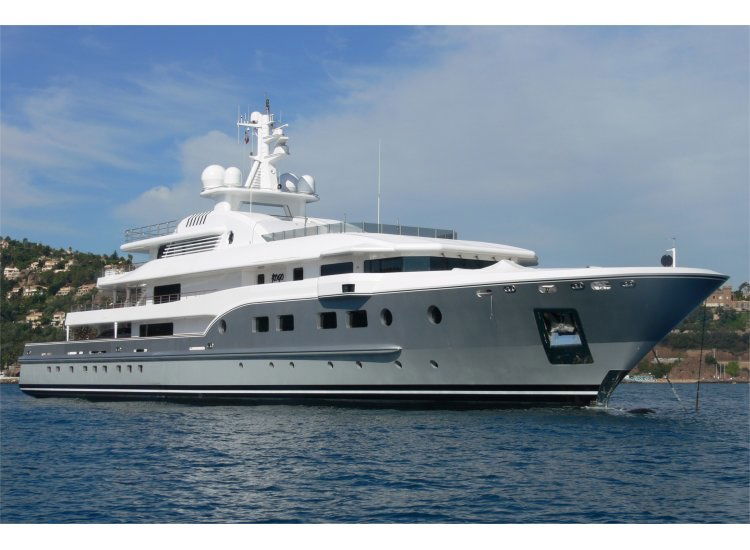


Images have been gathered from various sources and belong to their respective owners.
Review - Alstom (Aker Yards) Kogo

MarineBroker
02/19/2024, 1:03 PM
2006 Alstom (Aker Yards) Kogo: What Buyers, Owners, and Enthusiasts Should Know Before Making a Move
If you’ve been searching for information on the 2006 Alstom (Aker Yards) Kogo, chances are you’re trying to figure out whether this vessel is a smart buy, a solid charter candidate, or simply a fascinating part of modern yacht history. That’s a fair question. With high-performance yachts, the excitement of ownership can sometimes hide the practical realities: maintenance costs, refit needs, mechanical complexity, and the challenge of knowing what condition the vessel is really in.
The 2006 Alstom (Aker Yards) Kogo stands out because it represents a very specific kind of craft: large, technical, and built with a focus on performance and presence. But like any vessel of this caliber, the real question is not just what it is, but what it needs to stay reliable, comfortable, and valuable over time.
In this article, we’ll break down the main issues people face when evaluating a yacht like this, what to look for during inspection, and how to approach ownership or purchase with confidence. If you’re interested in the 2006 Alstom (Aker Yards) Kogo, this guide will help you make a more informed decision.
- What Makes the 2006 Alstom (Aker Yards) Kogo Worth Discussing
The name itself carries weight. Alstom and Aker Yards are associated with serious engineering, and that matters when you’re evaluating a yacht or vessel from 2006.
For many enthusiasts, the appeal is a mix of design pedigree, build quality, and the uniqueness of the platform. Vessels like this often attract attention from buyers who want something beyond the standard production yacht. They want character, capability, and a story.
But that uniqueness also creates a common problem: information gaps. Older high-end vessels are often harder to assess because records may be incomplete, systems may have been modified, and the cost of keeping everything in top form can be significant.
That’s where a structured approach helps. Instead of judging the vessel by name alone, focus on the condition of the hull, engines, onboard systems, maintenance history, and how the boat fits your actual use case.
- The Main Problem: A Vessel Like This Can Be Hard to Evaluate
One of the biggest challenges with a vessel such as the 2006 Alstom (Aker Yards) Kogo is separating reputation from reality.
A yacht may look impressive on paper, but the real issues usually show up in the details:
- Was the vessel maintained consistently?
- Have major systems been upgraded or neglected?
- Are there hidden costs from deferred maintenance?
- Does the current setup match your intended use?
- Are parts and technical support still easy to source?
These are not small concerns. In boating, the difference between a great purchase and an expensive headache often comes down to inspection and planning.
For example, a vessel that has spent long periods inactive may develop problems in fuel systems, seals, pumps, electronics, or interior systems. Even if the hull is strong, the cost of recommissioning can be substantial. That’s why the smartest buyers don’t just ask, “Is it a good boat?” They ask, “What will it take to make it dependable for my needs?”
- Understanding the 2006 Alstom (Aker Yards) Kogo as a Platform
When evaluating a vessel like this, it helps to think in terms of platform rather than just product.
A platform includes the structure, propulsion, systems integration, layout, and long-term serviceability. In practical terms, this means asking whether the boat is still easy to operate and maintain in 2026 standards, not just whether it was impressive in 2006.
Key platform questions include:
- Is the layout still functional for modern cruising or charter expectations?
- Are the electrical and navigation systems current enough for safe operation?
- How much of the original equipment remains?
- Has the vessel undergone refit work that improves usability?
- Is the design efficient for the kind of cruising you want to do?
These questions matter because older large vessels can be either excellent values or costly projects. The difference is usually in the condition and the amount of work already done.
- What to Check Before Buying or Operating
If you’re considering the 2006 Alstom (Aker Yards) Kogo, the inspection process should be thorough. A quick walk-through is never enough.
Here’s a practical checklist:
- Hull and structural condition
- Look for signs of stress, corrosion, blistering, or past repairs.
- Check for water intrusion around fittings and windows.
- Review survey reports if available.
- Machinery and propulsion
- Inspect engines, gearboxes, shafts, seals, and cooling systems.
- Ask for service logs and overhaul history.
- Verify operating hours and maintenance intervals.
- Electrical systems
- Check generators, batteries, chargers, switchboards, and wiring.
- Confirm the status of critical backup systems.
- Test navigation and communication equipment.
- Plumbing and HVAC
- Inspect freshwater, waste, and bilge systems.
- Test air conditioning, heating, and ventilation.
- Look for leaks, corrosion, and poor circulation.
- Interior and outfitting
- Evaluate wear on furnishings, cabinetry, flooring, and soft goods.
- Look for signs of moisture damage or poor storage.
- Determine whether the interior still suits your intended use.
- Safety equipment
- Review life-saving gear, fire suppression, alarms, and emergency systems.
- Make sure compliance matches your cruising area and registration requirements.
This kind of inspection may sound intense, but it’s the best way to avoid surprises. Large yachts can hide expensive issues behind polished finishes.
- The Solution: Use a Refit-First Mindset
The best solution when approaching a vessel like the 2006 Alstom (Aker Yards) Kogo is to think in terms of a refit-first mindset.
That means you don’t just ask whether the boat is “good enough.” You ask what it needs to become reliable, safe, and enjoyable for your specific purpose.
A refit-first mindset helps you:
- Budget realistically
- Prioritize safety and mechanical reliability
- Upgrade outdated systems strategically
- Avoid overpaying for cosmetic appeal
- Extend the useful life of the vessel
For example, if the engines are in good shape but the electronics are outdated, you may be looking at a systems upgrade rather than a major mechanical rebuild. If the structure is sound but the interior needs refreshment, your budget can focus on comfort and usability rather than chasing hidden structural issues.
This approach is especially useful for older yachts because it shifts the conversation from “What was this vessel?” to “What can it become?”
- Common Issues Found on Older High-End Yachts
While every vessel is different, older luxury yachts often share a few recurring issues. Knowing them ahead of time can save time and money.
Typical problem areas include:
- Aging electronics
- Older navigation and control systems may be obsolete or hard to support.
- Corrosion
- Saltwater exposure can affect fittings, wiring, and machinery over time.
- Deferred maintenance
- Cosmetic upkeep may be prioritized while essential systems are ignored.
- Outdated comfort systems
- HVAC, entertainment, and monitoring systems may no longer meet current expectations.
- Spare parts availability
- Some original components may be difficult to source, especially for niche builds.
- Documentation gaps
- Missing service records can make it harder to judge true condition.
These issues don’t automatically make a vessel a poor choice. They just mean the buyer needs to be more disciplined. A well-documented boat with known upgrades can be far more attractive than a “clean-looking” vessel with no history.
- How to Judge Whether It’s a Smart Purchase
If you’re evaluating the 2006 Alstom (Aker Yards) Kogo as a purchase, focus on value, not just price.
A lower asking price can be misleading if the boat needs substantial work. On the other hand, a higher-priced vessel with a recent refit and strong records may actually be the better deal.
Use this simple framework:
1. Estimate immediate repair needs
What must be fixed before the vessel is safe and usable?
2. Estimate near-term upgrades
What will likely need attention within the next 12–24 months?
3. Compare against market alternatives
Are there similar yachts with better documentation or newer systems?
4. Factor in operating costs
Crew, dockage, fuel, insurance, maintenance, and survey expenses all matter.
5. Consider your usage pattern
A vessel that sits idle most of the year may be more expensive to maintain than you expect.
This is the core of smart yacht ownership. The right boat is not always the flashiest one. It’s the one that fits your budget, your maintenance tolerance, and your plans.
- Why Survey and Sea Trial Matter So Much
No matter how attractive the listing looks, a professional survey and sea trial are essential.
A survey can reveal structural concerns, moisture problems, corrosion, and hidden wear. A sea trial shows how the vessel performs under load and whether the engines, controls, and systems behave as expected.
During the sea trial, pay attention to:
- Engine temperature and stability
- Vibration levels
- Steering response
- Noise from machinery spaces
- Generator performance
- Electronics reliability
- Docking behavior
If possible, have a marine engineer or captain familiar with large yachts present. Their experience can help you interpret small warning signs before they become major issues.
This step is one of the most practical solutions for anyone considering the 2006 Alstom (Aker Yards) Kogo. It turns guesswork into evidence.
- Ownership Considerations: What Happens After the Purchase
Buying the vessel is only the start. Long-term ownership requires planning.
Before committing, ask yourself:
- Do I have access to a qualified crew or service team?
- Can I store and maintain the vessel properly?
- Am I prepared for annual haul-outs and regular inspections?
- Is my cruising plan realistic for the vessel’s size and systems?
- Do I have a reserve fund for unexpected repairs?
A large yacht can be deeply rewarding, but it is not a casual purchase. The most successful owners are the ones who treat maintenance as part of the experience, not an interruption to it.
If you’re new to this class of vessel, it can help to work with a surveyor, broker, captain, or technical consultant who has experience with high-end yachts and refit planning.
- Practical Tips for Keeping the Vessel in Good Shape
If you already own or are seriously considering the 2006 Alstom (Aker Yards) Kogo, a few habits can go a long way.
Here are some practical maintenance tips:
- Run systems regularly, even during idle periods.
- Keep detailed service logs.
- Inspect seals, hoses, clamps, and wiring on a schedule.
- Flush and clean systems after heavy use.
- Address small leaks immediately.
- Update electronics when reliability becomes an issue.
- Protect interior materials from moisture and UV exposure.
- Schedule annual professional inspections.
These steps may seem basic, but they prevent the kind of slow deterioration that leads to expensive surprises later.
- When the 2006 Alstom (Aker Yards) Kogo Makes Sense
This vessel may be a strong fit if you value:
- Distinctive build pedigree
- Large-yacht presence
- A platform with refit potential
- The opportunity to customize systems and interiors
- A project with long-term upside if properly maintained
It may be less ideal if you want:
- Low-maintenance ownership
- Minimal operating costs
- A turnkey boat with no upgrades needed
- Simple systems and easy DIY upkeep
That’s the honest tradeoff. Some boats are meant to be enjoyed as-is. Others, especially specialized large vessels, reward owners who are willing to invest time, planning, and care.
- Final Thoughts on the 2006 Alstom (Aker Yards) Kogo
The 2006 Alstom (Aker Yards) Kogo is the kind of vessel that attracts serious interest because it combines heritage, scale, and technical appeal. But like many high-end yachts, its real value depends on condition, documentation, and how well it matches your goals.
The smartest path is not to rely on appearance alone. Focus on inspections, maintenance history, refit needs, and long-term operating costs. With the right approach, a vessel like this can become a rewarding ownership experience rather than a costly surprise.
If you’re exploring this yacht further, take your time, gather expert input, and treat the evaluation like a project. That’s the best way to turn interest into confidence.
Specifications
General
Boat Type: Power Boats
Class Type: Mega Yacht
Specifications
Length: 235.24
Beam: 46.59
Draft: 12.47
Hull Material: Unknown
Build
First Built: 2006
Propulsion
Fuel Type: Diesel
Engines: 2
Power: 2400 HP
Brand: Caterpillar
Accomodation
Cabins: 7
PROS & CONS
What we appreciated
 Robust construction typical of Alstom (Aker Yards) vesselsGood seaworthiness for various marine conditionsSpacious deck layout suitable for multiple usesReliable engine performance with proper maintenanceWell-regarded for stability and handling
What we didn’t appreciate
 Older model, may require more frequent maintenancePotentially outdated navigation and electronics systemsLimited fuel efficiency compared to newer designsSpare parts might be harder to source due to ageInterior layout may not be modern or optimized for comfort
Upkeep Costs
Fuel: Depending on engine size and usage, approximately $5,000 - $15,000 per year
Maintenance and Repairs: Around $3,000 - $7,000 annually
Insurance: Typically $1,500 - $4,000 per year
Docking and Storage Fees: $2,000 - $6,000 annually depending on location
Registration and Taxes: Varies by region, approximately $500 - $1,500 per year
Rating
8.3
User
Score
Score
Driveability
Technology
Interior
Design
Similar Boats


MarineBroker
Download now for an immersive boat experience like never before! ⛵✨ Your journey begins with a simple click. 🌊📲
#SetSailSmart #DownloadNow
#SetSailSmart #DownloadNow

Subscribe
Copyright 2017 - 2026, Marinebroker.net, All Rights Reserved