Boat Database » Admiral Spellbound
Admiral Spellbound
Inboard Direct-Drive, Diesel, 2x 2400 HP
Power Boats 2009 Admiral Spellbound: What Buyers and Owners Should Know Before You Cruise
If you’ve been searching for details on the 2009 Admiral Spellbound, you’re probably trying to answer a pretty common boating question: is this the rig...
Discover
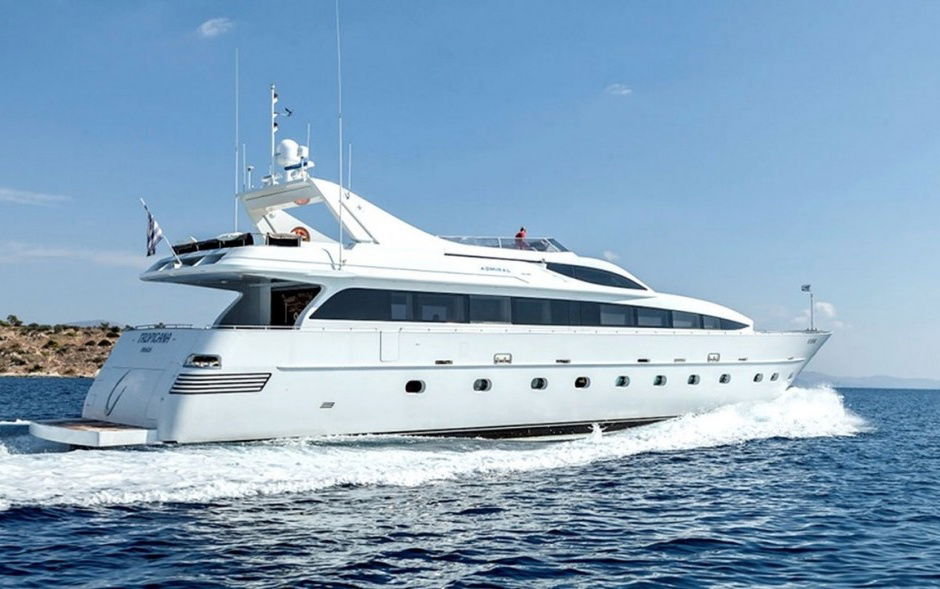
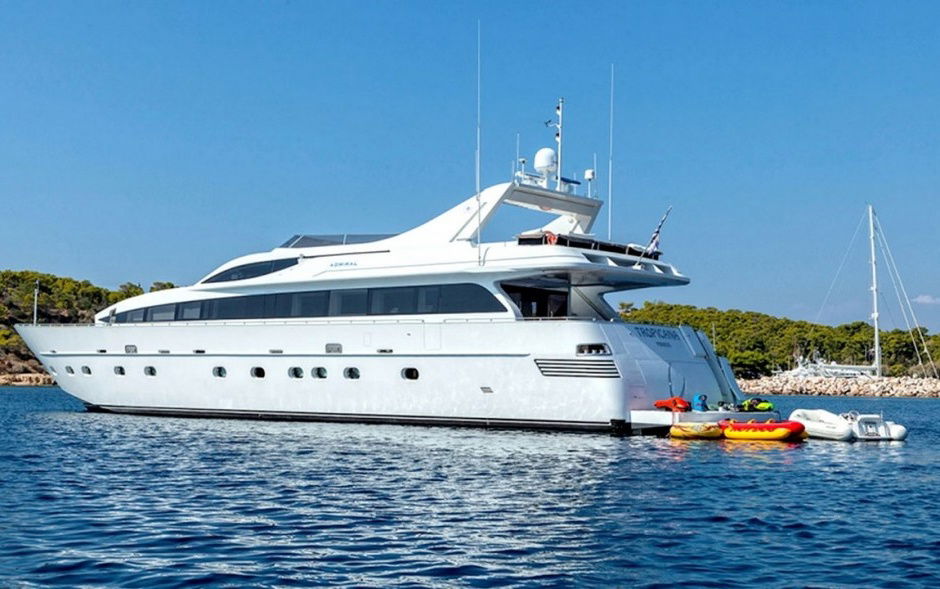

Images have been gathered from various sources and belong to their respective owners.
Review - Admiral Spellbound

MarineBroker
01/20/2024, 11:37 AM
2009 Admiral Spellbound: What Buyers and Owners Should Know Before You Cruise
If you’ve been searching for details on the 2009 Admiral Spellbound, you’re probably trying to answer a pretty common boating question: is this the right boat for the way you want to cruise, entertain, or spend time on the water? That’s a smart place to start. A boat can look great on paper, but the real value comes from how well it fits your needs, how it’s maintained, and what kind of ownership experience it delivers over time.
The challenge with any older yacht or cruiser is that condition matters just as much as model year. A well-kept vessel can still feel solid and enjoyable years later, while a neglected one can turn into a money pit fast. That’s why anyone interested in the 2009 Admiral Spellbound should look beyond the name and focus on the practical stuff: layout, systems, maintenance history, engine performance, and inspection results.
The good news? With the right approach, you can separate a promising boat from a risky one and make a much more confident decision. Let’s break down what to look for and how to solve the most common problems buyers face.
- Why the 2009 Admiral Spellbound Gets Attention
Boats like the 2009 Admiral Spellbound tend to attract people who want a blend of comfort, style, and real-world cruising capability. Whether you’re comparing it to similar yachts or just trying to understand what makes it appealing, the first thing to remember is that boats in this class are often judged on more than speed or size.
Most buyers care about a few core things:
- Comfortable onboard living
- Reliable mechanical systems
- Good fuel efficiency for the class
- Easy maintenance access
- A layout that works for family or guests
That’s where the 2009 Admiral Spellbound becomes interesting. For many buyers, the boat’s value isn’t just in the name or year. It’s in how well the vessel has aged and how much work it may need now.
If you’re researching this boat specifically, your real problem is probably one of these:
- You want to know if it’s a smart purchase
- You’re trying to estimate ownership costs
- You’re worried about hidden maintenance issues
- You want to compare it with other boats in the same category
The solution starts with understanding what to inspect and how to evaluate the boat like a seasoned buyer.
- The Main Problem: Older Boats Can Hide Expensive Surprises
A 2009 boat is not old in the world of boating, but it’s old enough that wear and tear matter. Even a well-built vessel can develop issues over time, especially if it has seen regular use, saltwater exposure, or inconsistent maintenance.
Common trouble areas on boats in this age range include:
- Engine and generator service gaps
- Aged hoses, belts, and seals
- Corrosion in electrical systems
- Worn upholstery or interior finishes
- Moisture intrusion in decks or cabins
- Outdated navigation electronics
- Hull blistering, oxidation, or cosmetic wear
The biggest mistake buyers make is assuming that a clean-looking boat is automatically a healthy one. In reality, cosmetic condition can hide mechanical problems. A shiny gelcoat does not tell you whether the fuel system was serviced properly or whether the batteries are nearing the end of their life.
That’s why the smartest approach is to evaluate the 2009 Admiral Spellbound as a system, not just a surface.
- How to Evaluate the 2009 Admiral Spellbound the Right Way
If you’re serious about this boat, use a checklist. That may sound simple, but it’s the best way to avoid expensive surprises.
Start with these key areas:
- Maintenance records
- Engine hours
- Service intervals
- Survey history
- Sea trial performance
- Signs of water intrusion
- Electrical and plumbing condition
A well-documented service history is one of the strongest signs that a boat has been cared for. Look for regular oil changes, impeller replacements, coolant checks, and winterization records if applicable.
Engine hours matter too, but they don’t tell the whole story. A boat with moderate hours and excellent maintenance may be a better buy than a low-hour boat that sat unused for long periods. Long idle periods can create their own problems, especially with fuel systems, seals, and batteries.
A professional marine survey is also essential. If you’re evaluating the 2009 Admiral Spellbound, a survey can reveal structural concerns, moisture issues, and system failures that are easy to miss during a casual walkthrough.
- What to Check During a Viewing
When you inspect the boat in person, slow down and look carefully. A rushed visit can lead to bad decisions.
Focus on these areas:
- Engine room cleanliness and access
- Smell of fuel, mildew, or standing water
- Condition of wiring and hose routing
- Signs of rust, corrosion, or leaks
- Cabin ventilation and moisture levels
- Window seals and hatch condition
- Upholstery wear and sun damage
- Deck softness or flex underfoot
A clean engine room is usually a good sign, but it should still be functional, not just polished. Ask yourself whether you can easily reach service points. Good access makes maintenance easier and often cheaper over time.
Also pay attention to odors. A strong mildew smell can point to hidden moisture, while fuel odors deserve immediate investigation. Those are not small issues.
If the boat has been sitting for a while, ask whether the fuel was stabilized, batteries were maintained, and systems were run regularly. Storage history matters more than many buyers realize.
- The Practical Solution: Buy for Condition, Not Just Year
The best solution for anyone interested in the 2009 Admiral Spellbound is to shift from “What year is it?” to “How well has it been maintained?”
That mindset changes everything.
A boat’s age is only one factor. What really determines ownership satisfaction is:
- How it was used
- How often it was serviced
- Whether repairs were done correctly
- Whether the boat matches your boating style
For example, if you want weekend cruising with family, you’ll likely value comfort, storage, and easy handling more than top-end speed. If you plan longer trips, then fuel capacity, systems reliability, and cabin livability become more important.
This is why a detailed survey and sea trial are not optional. They are your best tools for solving the main problem: avoiding a boat that looks good but costs too much to keep running.
- Common Ownership Costs to Expect
One of the smartest things you can do before buying is estimate ongoing costs. Even a great boat can become frustrating if the budget doesn’t match reality.
Typical ownership expenses may include:
- Annual engine service
- Bottom cleaning and antifouling
- Haul-out and storage
- Insurance
- Fuel
- Battery replacement
- Electronics upgrades
- Upholstery or cosmetic repair
- Unexpected mechanical fixes
Older boats often need a “catch-up” period after purchase. That means replacing items that are still working but nearing failure. It’s not unusual to budget for:
- Hoses
- Belts
- Filters
- Seals
- Pumps
- Batteries
- Safety gear updates
If the 2009 Admiral Spellbound is being considered as a used purchase, build a reserve fund into your plan. A little financial cushion goes a long way toward making ownership enjoyable instead of stressful.
- How to Spot a Well-Cared-For Boat
Not every used boat tells the same story. Some boats clearly show they’ve been loved and maintained. Others reveal neglect in subtle ways.
Signs of a well-cared-for vessel include:
- Clean logs and service records
- Matching wear patterns across the interior
- Fresh hoses and clamps
- Organized wiring
- No major odor issues
- Smooth engine startup
- Even running temperatures
- Dry bilges
- Properly functioning pumps and switches
These details matter because they tell you how the boat was treated over time. A boat that has been maintained by a careful owner is usually easier to continue caring for.
With the 2009 Admiral Spellbound, the goal is to identify whether the boat has been preserved as a usable asset or merely kept afloat. That difference can affect everything from safety to resale value.
- Why a Sea Trial Matters So Much
A sea trial is where the boat speaks for itself. On the dock, many issues stay hidden. Underway, they become obvious.
During a sea trial, pay attention to:
- Engine startup behavior
- Acceleration and throttle response
- Steering feel
- Vibrations at different speeds
- Temperature stability
- Alarm signals
- Noise levels
- Trim and handling in turns
If the boat struggles to plane, runs hot, or vibrates excessively, that’s a warning sign. The same goes for delayed throttle response or inconsistent steering.
The 2009 Admiral Spellbound should feel predictable and controlled on the water. If it doesn’t, you need to know why before moving forward.
- Matching the Boat to Your Real Needs
Another common issue is buying a boat that looks ideal but doesn’t fit your actual boating habits.
Ask yourself:
- Will you mostly day cruise or spend nights aboard?
- Do you need space for guests?
- Are you comfortable with larger maintenance responsibilities?
- Will you dock in saltwater or freshwater?
- Do you want simple operation or more advanced systems?
The right boat is the one that fits your lifestyle, not just your imagination. A lot of buyers fall in love with size, appearance, or reputation and then discover the boat is harder to run than expected.
If the 2009 Admiral Spellbound matches your use case, that’s a strong point in its favor. But if it’s more boat than you need, the long-term costs may outweigh the benefits.
- Maintenance Tips That Help Protect Your Investment
Once you own a boat like this, consistency is everything. Small habits prevent big repairs.
Good maintenance habits include:
1. Running systems regularly
2. Flushing engines after use when needed
3. Checking bilges for water or oil
4. Inspecting hoses and clamps often
5. Keeping batteries charged and tested
6. Cleaning and protecting upholstery
7. Monitoring corrosion
8. Scheduling annual professional service
A simple maintenance calendar can save you a lot of trouble. Boats do best when they are used and cared for consistently, not ignored between weekends.
If you’re already evaluating the 2009 Admiral Spellbound, ask the current owner or broker what maintenance routine has been followed. That answer can tell you a lot about the boat’s future reliability.
- When an Upgrade Makes Sense
Sometimes the boat itself is fine, but a few upgrades can make ownership much better.
Common worthwhile upgrades include:
- Modern chartplotter and electronics
- New batteries
- LED lighting
- Updated safety equipment
- Fresh upholstery
- Improved bilge monitoring
- New sound system
- Replaced pumps or hoses
The key is to prioritize function before luxury. Navigation, safety, and mechanical reliability should come first. Comfort upgrades can come later.
For many buyers, the 2009 Admiral Spellbound becomes more appealing when they realize that a few targeted improvements can bring the boat up to their standards without overhauling everything.
- Final Buying Advice for Interested Boaters
If you’re seriously considering the 2009 Admiral Spellbound, the smartest path is straightforward: inspect carefully, verify maintenance, hire a qualified surveyor, and sea trial the boat before making any commitment.
Don’t let a polished appearance distract you from the real story. Boats reward patience and punish assumptions. The more you learn before buying, the better your ownership experience will be.
A good used boat should feel like a confident choice, not a gamble. When you focus on condition, documentation, and fit, you give yourself the best chance of finding a boat that’s genuinely worth it.
- Conclusion
The 2009 Admiral Spellbound can be a strong option for buyers who value comfort, practical cruising, and a well-kept used vessel. The key is not to judge it by age alone, but by maintenance, condition, and how well it matches your boating goals. A careful inspection, professional survey, and honest look at ownership costs will help you avoid common mistakes and make a better decision.
If you’re still researching, keep comparing notes, reviewing maintenance details, and learning what matters most in a boat of this class. A little homework now can save a lot of time, money, and stress later—and help you enjoy your next outing with a lot more confidence.
Specifications
General
Boat Type: Power Boats
Class Type: Mega Yacht
Specifications
Length: 114.83
Beam: 24.28
Draft: 7.87
Hull Material: Aluminium
Build
First Built: 2009
Propulsion
Fuel Type: Diesel
Engines: 2
Power: 2400 HP
Brand: MTU
Accomodation
Cabins: 4
PROS & CONS
What we appreciated
 Classic and elegant design with a timeless appealSolid build quality typical of Admiral boatsSpacious cockpit and comfortable seating for passengersWell-suited for both cruising and day tripsReliable inboard diesel engines providing good fuel efficiency
What we didn’t appreciate
 Older model, may require more maintenance and updatesLimited modern electronics and navigation systems compared to newer boatsSmaller cabin space compared to contemporary boats in the same classPotentially higher fuel consumption than newer, more efficient modelsAvailability of spare parts might be limited due to age
Upkeep Costs
Fuel: Approximately $1,500 - $3,000 per year depending on usage
Insurance: Around $800 - $1,200 annually
Maintenance and Repairs: $1,000 - $2,500 per year
Storage and Mooring: $500 - $2,000 annually depending on location
Registration and Licensing: $100 - $300 per year

Rating
8.3
User
Score
Score
Driveability
Technology
Interior
Design
Similar Boats


MarineBroker
Download now for an immersive boat experience like never before! ⛵✨ Your journey begins with a simple click. 🌊📲
#SetSailSmart #DownloadNow
#SetSailSmart #DownloadNow

Subscribe
Copyright 2017 - 2026, Marinebroker.net, All Rights Reserved