Boat Database » Admiral Flying Dragon
Admiral Flying Dragon
Inboard Direct-Drive, Diesel, 3x 2400 HP
Power Boats 2014 Admiral Flying Dragon: What to Know Before You Buy, Inspect, or Restore
If you’ve been searching for information on the 2014 Admiral Flying Dragon, chances are you’re trying to figure out one of a few things: whether it’s th...
Discover

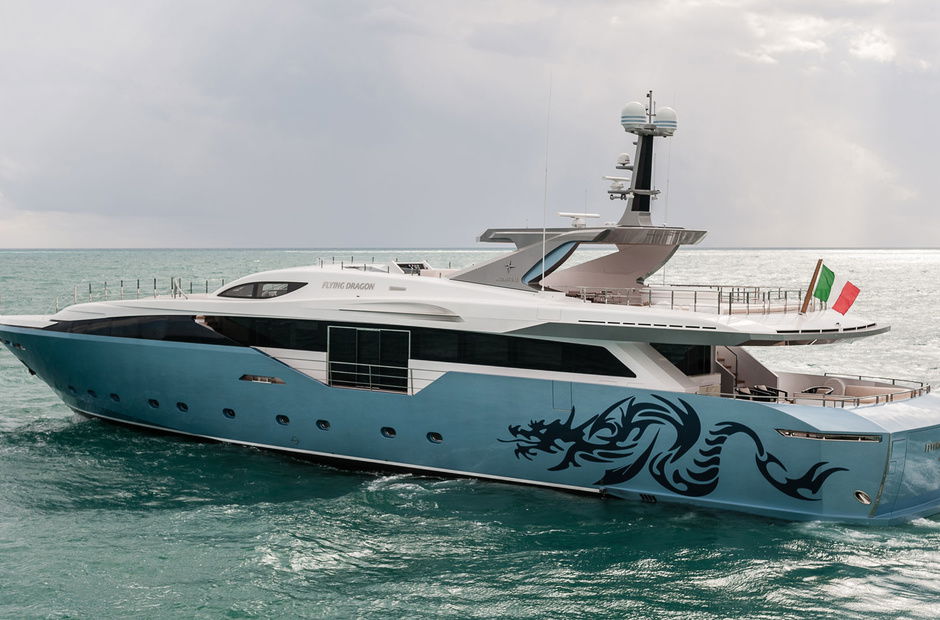
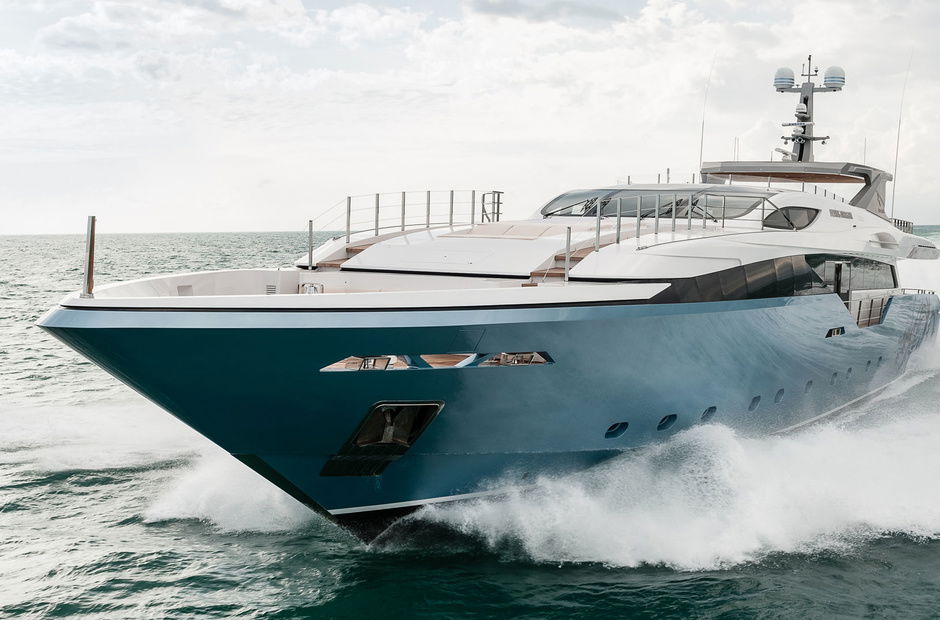
Images have been gathered from various sources and belong to their respective owners.
Review - Admiral Flying Dragon

MarineBroker
01/21/2024, 4:27 AM
2014 Admiral Flying Dragon: What to Know Before You Buy, Inspect, or Restore
If you’ve been searching for information on the 2014 Admiral Flying Dragon, chances are you’re trying to figure out one of a few things: whether it’s the right boat for your needs, what kind of condition it should be in, or how much work it might need before you can enjoy it with confidence. That’s a smart place to start.
Boats can look great in photos and still hide a long list of issues underneath the surface. With a model like the 2014 Admiral Flying Dragon, the biggest challenge is often not finding the boat itself, but understanding what to check before you commit. Is the hull solid? Has the motor been maintained? Are there signs of neglect, water intrusion, or outdated systems? These are the kinds of questions that separate a good purchase from an expensive headache.
The good news is that most of the uncertainty can be managed with a clear inspection plan and a practical approach. In this article, we’ll walk through the most important things to look for, common problem areas, and how to evaluate whether this boat is a solid fit for your goals.
- What the 2014 Admiral Flying Dragon is best suited for
The 2014 Admiral Flying Dragon is the kind of boat that attracts buyers looking for a balance of character, utility, and value. Whether you’re interested in cruising, weekend outings, or a project boat with potential, the key is understanding how it fits your boating style.
Before getting too deep into specs or cosmetic details, think about how you plan to use it.
Ask yourself:
- Will this be a family day boat?
- Do you want something for calm-water cruising?
- Are you looking for a restoration project?
- Do you need a boat that’s ready to use now?
That answer matters because boats age differently depending on how they’ve been used and stored. A well-kept boat that spent most of its life under cover can be a much better buy than a newer-looking one that sat in the sun and water without proper maintenance.
The 2014 model year also means you’re likely dealing with a vessel that has a few years of wear, but not necessarily the kind of age that makes it obsolete. That’s often a sweet spot for buyers who want value without going too far back into older, harder-to-maintain territory.
- The most common problem buyers face with the 2014 Admiral Flying Dragon
The biggest issue for many buyers is simple: not knowing what condition the boat is really in.
That sounds obvious, but it’s the number one reason people get frustrated. A boat can be listed as “clean” or “well maintained,” yet still have hidden problems like:
- soft spots in the deck
- electrical corrosion
- fuel system wear
- outdated safety gear
- engine neglect
- trailer issues
- water intrusion around fittings
With a model like the 2014 Admiral Flying Dragon, the challenge is not just finding flaws. It’s figuring out which flaws are normal age-related maintenance and which ones are warning signs.
A few cosmetic issues are usually manageable. But structural or mechanical problems can quickly turn a good deal into a money pit.
The practical solution is to inspect the boat in layers:
1. Start with the hull and deck.
2. Move to the engine and fuel system.
3. Check electrical and controls.
4. Review storage, upholstery, and hardware.
5. If possible, get a sea trial or professional survey.
This approach helps you see the full picture instead of getting distracted by shiny gelcoat or fresh upholstery.
- How to inspect the 2014 Admiral Flying Dragon before buying
A careful inspection is your best defense against surprise repairs. Even if you’re not a marine mechanic, you can still spot a lot with a methodical walkthrough.
Here’s a simple checklist.
- Hull and exterior
Look for cracks, deep scratches, blisters, or signs of impact. Minor cosmetic wear is normal, but structural damage is not something to ignore.
Pay attention to:
- uneven repairs
- mismatched paint or gelcoat
- stress cracks near corners or fittings
- signs of previous collision
Also check the bottom of the hull if possible. Boats that were stored improperly or grounded may show wear underneath that isn’t obvious from the dock.
- Deck and floor
Walk the deck slowly and feel for soft or spongy spots. These can indicate water damage or rot beneath the surface.
Common trouble areas include:
- around hatches
- near cleats
- under seats
- around the transom
- in high-traffic walking zones
If the deck flexes more than expected, that’s worth investigating before moving forward.
- Engine and mechanical systems
The engine is often the most expensive part of any boat to repair, so this area deserves extra attention.
Check for:
- clean oil and proper fluid levels
- corrosion on terminals and fittings
- cracked hoses or loose clamps
- unusual smells, leaks, or smoke
- difficulty starting
- rough idling or vibration
If the boat has been sitting for a while, ask when the fuel was last treated or replaced. Old fuel can cause a surprising number of headaches.
- Electrical system
Boat wiring can become a nightmare if it’s been exposed to moisture or poor modifications.
Look for:
- frayed wires
- exposed connections
- corrosion on switches and breakers
- non-functioning lights or gauges
- signs of amateur repairs
Electrical problems are often small at first, but they can create safety issues if ignored.
- Interior and upholstery
Seats, cushions, and storage areas tell you a lot about how a boat was cared for.
Check for:
- mildew
- water stains
- cracked vinyl
- broken latches
- damaged hinges
- musty odors
A little wear is normal. Heavy mildew or persistent dampness usually means the boat has had water management problems.
- Trailer condition
If the 2014 Admiral Flying Dragon comes with a trailer, don’t treat it as an afterthought. A bad trailer can create expensive and even dangerous problems.
Inspect:
- tires and tread
- wheel bearings
- lights
- brakes
- winch and strap
- frame rust
- bunk condition
A trailer that’s been neglected can damage the boat during transport, so it needs to be part of your evaluation.
- Signs the 2014 Admiral Flying Dragon may need restoration
Not every used boat is ready to launch immediately. Some are better viewed as project boats, and that’s fine as long as you know what you’re buying.
The 2014 Admiral Flying Dragon may need restoration if you notice:
- widespread oxidation
- peeling upholstery
- outdated electronics
- soft flooring
- engine service gaps
- multiple failed accessories
- heavy corrosion throughout the boat
The key question is whether the restoration is mostly cosmetic or structural.
Cosmetic restoration might include:
- cleaning and polishing
- replacing cushions
- updating gauges
- refreshing hardware
- minor wiring fixes
Structural or mechanical restoration could involve:
- deck repair
- transom work
- engine rebuild
- fuel tank replacement
- major electrical rewiring
That difference matters because one is a weekend project, and the other can become a long-term commitment.
- What a smart buyer should ask the seller
When you’re serious about the 2014 Admiral Flying Dragon, the right questions can save you a lot of time.
Ask:
- How long have you owned the boat?
- Where has it been stored?
- How often was it used?
- When was the engine last serviced?
- Has it ever been in saltwater?
- Has it had any major repairs?
- Are maintenance records available?
- Why are you selling it?
These questions help you understand the boat’s history, not just its current appearance.
If the seller gives short, vague answers or avoids paperwork, that’s a red flag. Good owners usually know their boat’s story.
- How to evaluate value without overpaying
One of the hardest parts of buying a used boat is knowing what it’s really worth. The 2014 Admiral Flying Dragon may be priced based on appearance, but condition is what should guide your decision.
A fair price depends on:
- mechanical condition
- cosmetic condition
- trailer included or not
- maintenance history
- electronics and accessories
- local market demand
A boat that needs a lot of work should be priced with that reality in mind. On the other hand, a clean, well-maintained example with records and recent service can justify a higher price.
A simple rule of thumb:
- If it needs only routine maintenance, it may be a good value.
- If it needs major repairs, the price should reflect that risk.
- If the seller can’t document service, assume more hidden costs.
It’s easy to focus on the asking price, but the real number is the total cost to make the boat safe and enjoyable.
- Practical solution: the best way to buy with confidence
If your goal is to avoid regret, the solution is to combine inspection, documentation, and realistic budgeting.
Here’s a practical buying strategy:
1. Inspect the boat in daylight.
2. Bring a flashlight and a notepad.
3. Test every system you can.
4. Ask for service records and ownership documents.
5. Budget for immediate maintenance, even if the boat looks good.
6. If possible, hire a marine surveyor or mechanic for a second opinion.
This approach works especially well with boats like the 2014 Admiral Flying Dragon, where condition can vary a lot from one example to another.
A survey may feel like an extra expense, but it can easily pay for itself if it helps you avoid hidden repairs. Even a basic professional inspection can reveal issues that a casual buyer would miss.
If you’re buying for the first time, think of it this way: you’re not just buying a boat. You’re buying the condition of that boat at this moment.
- Maintenance tips to keep the 2014 Admiral Flying Dragon in good shape
If you already own one, or if you’re planning to buy, consistent maintenance is what protects your investment.
A few simple habits go a long way:
- rinse the boat after every outing
- keep the bilge clean and dry
- inspect hoses and clamps regularly
- charge and maintain batteries properly
- treat fuel if the boat sits unused
- cover the boat when stored
- check for corrosion at least once a month
- service the engine on schedule
Boats that are used often but cared for properly usually age better than boats that sit untouched for long periods.
It also helps to keep a basic maintenance log. Write down:
- service dates
- oil changes
- battery replacements
- repairs
- upgrades
- winterization steps
That record can make future troubleshooting much easier and may even help resale value later.
- When the 2014 Admiral Flying Dragon is a good fit
This boat may be a strong fit if you want:
- a used boat with manageable age
- a platform for casual cruising or recreation
- something with restoration potential
- a boat that can offer value if inspected carefully
It may not be the best fit if you want:
- a turn-key boat with zero maintenance
- the latest electronics and features
- a vessel with a fully documented recent service history
- a boat you’re not willing to inspect closely
That’s the honest tradeoff with many used boats. The value is there, but only if you’re willing to do your homework.
- Final thoughts on the 2014 Admiral Flying Dragon
The 2014 Admiral Flying Dragon can be a worthwhile option for the right buyer, but the real key is condition, not just the name or model year. A careful inspection, a few smart questions, and a realistic budget can help you avoid the most common mistakes people make when buying used boats.
If you remember one thing, make it this: look past the surface and focus on the systems that actually determine safety, reliability, and long-term value. That’s how you turn uncertainty into confidence.
Whether you’re buying, evaluating, or restoring, the best next step is always the same: inspect thoroughly, verify the history, and plan for maintenance. If you want to go deeper, compare similar models, review a marine survey checklist, or talk with a trusted boat mechanic before making your final decision.
Specifications
General
Boat Type: Power Boats
Class Type: Mega Yacht
Specifications
Length: 146.98
Beam: 28.22
Draft: 6.23
Hull Material: Steel
Build
First Built: 2014
Propulsion
Fuel Type: Diesel
Engines: 3
Power: 2400 HP
Brand: MTU
Accomodation
Cabins: 5
PROS & CONS
What we appreciated
 Spacious deck layout suitable for family and group outingsReliable engine performance with good fuel efficiencySolid hull construction offering durability and safetyComfortable cabin with adequate sleeping and storage spaceGood resale value due to brand reputation
What we didn’t appreciate
 Older model, may require more frequent maintenanceLimited advanced electronics compared to newer boatsHeavier weight can affect speed and maneuverabilityInterior styling may feel outdated to some buyersPotentially higher insurance costs due to boat size
Upkeep Costs
Fuel: Approximately $2,000 - $5,000 per year depending on usage
Maintenance and Repairs: $1,000 - $3,000 per year
Insurance: $500 - $1,500 per year
Docking/Marina Fees: $1,200 - $4,000 per year
Registration and Taxes: $100 - $500 per year

Rating
8.7
User
Score
Score
Driveability
Technology
Interior
Design
Similar Boats


MarineBroker
Download now for an immersive boat experience like never before! ⛵✨ Your journey begins with a simple click. 🌊📲
#SetSailSmart #DownloadNow
#SetSailSmart #DownloadNow

Subscribe
Copyright 2017 - 2026, Marinebroker.net, All Rights Reserved