2009 Admiral Billa: What to Know Before You Buy, Inspect, or Restore
If you’ve been searching for the 2009 Admiral Billa, chances are you’re trying to figure out whether it’s a smart boat to own, what to look for before buying, o...
Discover


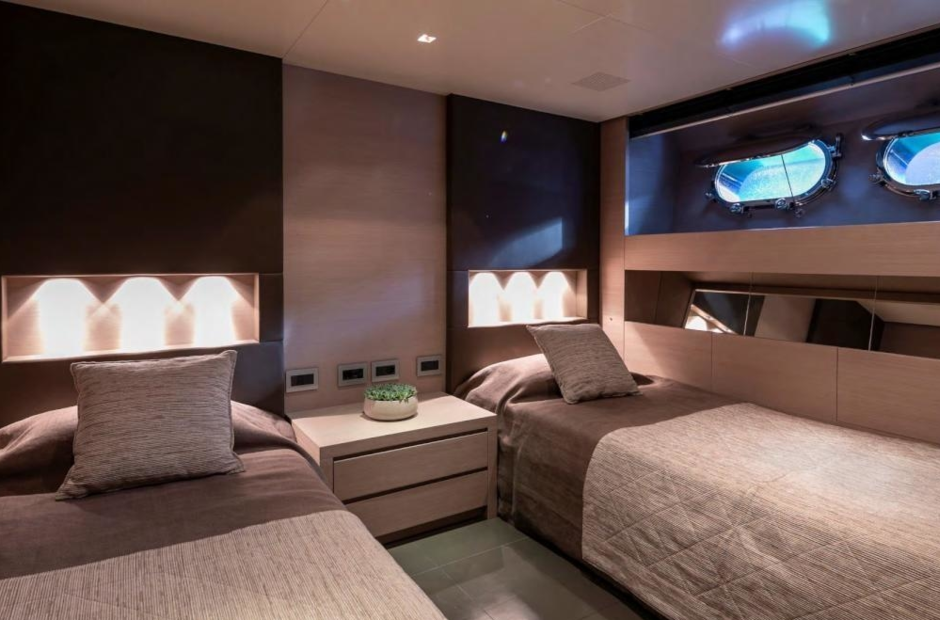
Images have been gathered from various sources and belong to their respective owners.
Review - Admiral Billa

MarineBroker
01/20/2024, 7:55 AM
2009 Admiral Billa: What to Know Before You Buy, Inspect, or Restore
If you’ve been searching for the 2009 Admiral Billa, chances are you’re trying to figure out whether it’s a smart boat to own, what to look for before buying, or how to keep it in good shape once you have it. That’s a fair question. Boats from this era can be a great value, but only if you know where the common trouble spots are and what kind of maintenance they tend to need.
The 2009 Admiral Billa sits in that interesting space where a boat can still offer solid performance and comfort, but age-related issues may start showing up if previous owners skipped routine care. For many shoppers, the real challenge isn’t just finding the boat — it’s understanding whether it’s been properly maintained, what hidden repairs might be waiting, and how to avoid expensive surprises.
The good news is that with a careful inspection and a practical ownership plan, you can make a much better decision. In this guide, we’ll walk through the most common concerns, what to check first, and how to solve the usual problems in a way that keeps the boat enjoyable and dependable.
- What the 2009 Admiral Billa is best known for
The 2009 Admiral Billa appeals to boaters who want a balance of usability, comfort, and straightforward ownership. While details can vary depending on configuration, boats in this category are often valued for their practical layout, manageable size, and versatility on the water.
That makes it attractive to a wide range of buyers, including:
- Weekend cruisers
- Families looking for a reliable day boat
- First-time owners moving up from smaller craft
- Buyers interested in a used boat with decent value
The key thing to understand is that a boat’s age matters less than its maintenance history. A well-cared-for 2009 model can outperform a newer boat that has been neglected.
For people interested in the 2009 Admiral Billa, the real question is usually not “Is it a good boat?” but “Has it been kept in good condition?”
- The main problem buyers run into with older boats
The biggest issue with a boat like the 2009 Admiral Billa is uncertainty. Even if the hull looks fine and the engine starts, hidden wear can still lead to costly repairs later.
Common concerns include:
- Engine and drivetrain wear
- Electrical issues from aging wiring or corrosion
- Soft spots in decks or flooring
- Upholstery damage from sun and moisture
- Fuel system deterioration
- Plumbing or sanitation problems
- Outdated electronics
This is especially important because many boat problems don’t show up during a quick dockside look. A boat can appear clean and functional while still needing major service underneath.
A lot of buyers get stuck here. They like the boat, but they don’t know how to separate normal age-related wear from real red flags. That’s where a structured inspection makes all the difference.
- How to inspect a 2009 Admiral Billa before buying
If you’re considering a 2009 Admiral Billa, inspection should be your first priority. A careful walkthrough can save you from buying a boat that looks good on the surface but needs expensive work.
Start with the basics:
1. Check the hull and exterior
Look for cracks, blistering, impact marks, or signs of previous repairs. Minor cosmetic wear is normal, but structural damage is a different story.
2. Inspect the deck and flooring
Walk every area slowly. Soft spots, flexing, or spongy sections may indicate water intrusion or rot beneath the surface.
3. Examine the engine compartment
Check for oil leaks, corrosion, loose hoses, and signs of poor maintenance. A clean engine room is encouraging, but service records matter more than appearance.
4. Review electrical systems
Test lights, pumps, switches, gauges, and charging systems. Intermittent electrical problems can be frustrating and time-consuming to fix.
5. Look at upholstery and canvas
Sun damage, cracked vinyl, and mildew can be expensive to replace. These issues won’t sink the boat, but they do affect value.
6. Test plumbing and fittings
Run faucets, bilge pumps, and any onboard sanitation systems. Water systems often reveal neglected maintenance quickly.
If possible, hire a marine surveyor. That’s one of the smartest solutions for anyone seriously interested in the 2009 Admiral Billa. A survey gives you a professional opinion on condition, safety, and likely repair costs.
- Common maintenance issues and how to solve them
Older boats tend to develop predictable problems. The good news is that most of them can be managed if caught early.
- Engine and mechanical care
Engines are usually the biggest expense on any boat. For a 2009 model, routine service history is critical.
Watch for:
- Hard starting
- Rough idle
- Overheating
- Unusual smoke
- Vibration under load
Practical solution:
Schedule a full service if records are incomplete. That should include oil and filter changes, impeller inspection, belts, hoses, spark plugs, and fuel filter replacement where applicable. If the engine hasn’t been run regularly, have a mechanic perform a compression test and inspect cooling components.
- Electrical system problems
Boats spend their lives in a harsh environment, and moisture plus salt can be hard on wiring and connectors.
Typical symptoms include:
- Dead accessories
- Flickering lights
- Weak batteries
- Corroded terminals
- Faulty gauges
Practical solution:
Clean and protect battery terminals, inspect all visible wiring for corrosion, and replace questionable connectors. If the boat has been sitting unused, test the batteries under load rather than relying on voltage alone.
- Water intrusion and deck wear
Water intrusion is one of the most expensive problems because it can damage structure over time.
Signs include:
- Soft flooring
- Staining around fittings
- Mold or mildew smell
- Loose hardware
- Water in storage compartments
Practical solution:
Seal leaking hardware, replace worn caulking, and dry out affected areas as soon as possible. If the deck core is compromised, get a professional assessment before buying.
- Upholstery and cosmetic aging
This is often the first thing people notice on a used boat, but it’s also one of the easiest issues to misunderstand. Faded cushions and cracked vinyl look bad, but they don’t always mean major mechanical trouble.
Practical solution:
For cosmetic wear, estimate replacement costs before making an offer. Sometimes a boat with tired upholstery is a better deal than one with shiny cushions but poor maintenance underneath.
- Fuel system concerns
Fuel-related issues can cause poor performance, hard starting, or engine hesitation.
Watch for:
- Old fuel smell
- Cracked hoses
- Clogged filters
- Water contamination
- Corrosion around fittings
Practical solution:
If the boat has been sitting, drain and replace old fuel if needed, inspect lines, and change filters. This is one area where prevention is much cheaper than repair.
- Why service history matters more than hours alone
Many buyers focus too much on engine hours. Hours do matter, but they don’t tell the whole story.
A boat with moderate hours and excellent maintenance may be a better buy than a low-hour boat that sat unused for years. Boats that sit can develop their own issues, such as:
- Dry seals
- Stale fuel
- Corroded connectors
- Seized components
- Battery failure
When evaluating the 2009 Admiral Billa, ask for:
- Maintenance records
- Winterization or storage history
- Repair invoices
- Engine service logs
- Replacement part receipts
This paperwork helps you understand how the boat was treated. In many cases, it’s the difference between a solid purchase and a costly mistake.
- How to decide if the 2009 Admiral Billa is worth it
A good used boat purchase comes down to total value, not just sticker price. The 2009 Admiral Billa may be worth considering if:
- The hull is structurally sound
- The engine runs well and has records
- Electrical systems are functional
- There’s no major water intrusion
- Repairs are mostly cosmetic or manageable
- The asking price reflects age and condition
On the other hand, be cautious if you find:
- No service history
- Multiple signs of neglect
- Major soft spots or leaks
- Engine overheating or smoke
- Extensive corrosion
- Evidence of repeated patch jobs
A lower purchase price can be tempting, but a “cheap” boat can become expensive quickly if the basics are not in order.
A simple rule helps here: estimate the cost of immediate repairs and subtract that from the asking price. If the numbers still make sense, you may have a good opportunity. If not, keep looking.
- Practical ownership tips for keeping it in good shape
If you already own a 2009 Admiral Billa, the best way to avoid trouble is consistent upkeep. Most boat problems get worse when they’re ignored.
Here are a few habits that make a big difference:
- Flush and service the engine regularly
- Keep batteries charged and terminals clean
- Inspect hoses, clamps, and fittings often
- Wash and dry the boat after use
- Cover upholstery and protect it from UV exposure
- Check the bilge for water or oil
- Run the boat periodically, even in the off-season
- Follow a seasonal maintenance checklist
It also helps to keep a simple log. Write down service dates, parts replaced, and any issues you notice. That makes future troubleshooting much easier and boosts resale value later.
- When to call in a professional
Some issues are DIY-friendly, but others are better left to a marine technician or surveyor. If you’re dealing with engine overheating, electrical shorts, structural damage, or fuel leaks, don’t guess.
Call a professional if:
- You see significant corrosion in critical systems
- The engine has persistent performance problems
- There’s suspected water intrusion in the deck or hull
- Electrical faults keep returning
- You’re unsure about the boat’s true condition before purchase
That’s especially true with a used boat like the 2009 Admiral Billa. A professional evaluation can prevent small concerns from turning into major repairs.
- Final thoughts on the 2009 Admiral Billa
The 2009 Admiral Billa can be a smart choice for the right buyer, but the real key is careful evaluation. Older boats often hide their problems well, so the best approach is to inspect thoroughly, review service records, and budget for age-related maintenance. That way, you’re not just buying a boat — you’re buying a boat you can actually enjoy.
If you’re serious about this model, focus on condition first and price second. A well-maintained boat with a clean history is usually the better deal, even if it costs a bit more upfront. Take your time, ask the right questions, and don’t skip the survey. That simple approach can save money, reduce stress, and make your time on the water a lot more enjoyable.
Specifications
General
Boat Type: Power Boats
Class Type: Mega Yacht
Specifications
Length: 137.8
Beam: 27.89
Draft: 5.91
Hull Material: Aluminium
Build
First Built: 2009
Propulsion
Fuel Type: Diesel
Engines: 2
Power: 3650 HP
Brand: MTU
Accomodation
Cabins: 5
PROS & CONS
What we appreciated
 Spacious interior suitable for family outingsSturdy build quality ensuring durabilityEfficient fuel consumption for its classGood handling and stability in various water conditionsWell-equipped with essential safety features
What we didn’t appreciate
 Older model with potentially outdated electronicsLimited engine power compared to newer boatsMaintenance costs may be higher due to ageLess advanced comfort amenitiesResale value may be lower than newer models
Upkeep Costs
Fuel: Approximately $2,500 - $5,000 per year depending on usage
Maintenance and Repairs: $1,000 - $3,000 per year
Insurance: $500 - $1,200 per year
Storage and Docking Fees: $1,200 - $3,000 per year
Registration and Licensing: $100 - $300 per year

Rating
7.8
User
Score
Score
Driveability
Technology
Interior
Design
Similar Boats


MarineBroker
Download now for an immersive boat experience like never before! ⛵✨ Your journey begins with a simple click. 🌊📲
#SetSailSmart #DownloadNow
#SetSailSmart #DownloadNow

Subscribe
Copyright 2017 - 2026, Marinebroker.net, All Rights Reserved