Boat Database » ABIM-Classic 108
ABIM-Classic 108
Inboard Direct-Drive, Diesel, 1x 110 HP
Power Boats 2009 ABIM-Classic 108: What Owners and Buyers Should Know Before Getting on the Water
If you’re looking into the 2009 ABIM-Classic 108, you’re probably trying to answer a pretty practical question: is this boat the right fit for ...
Discover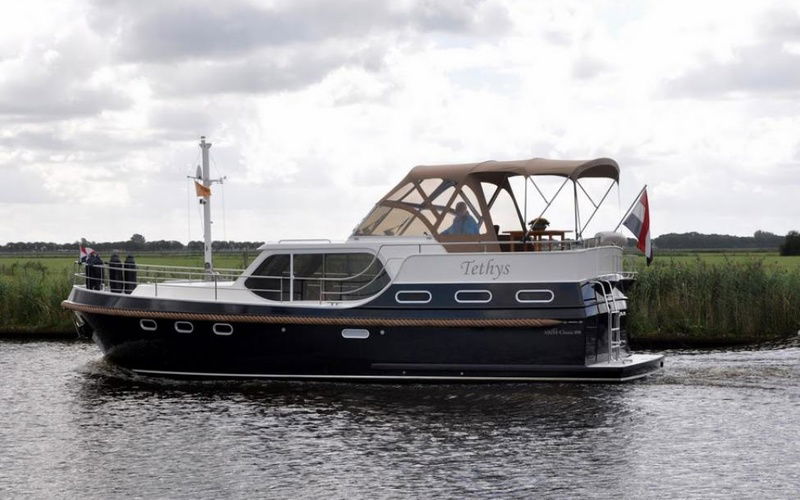
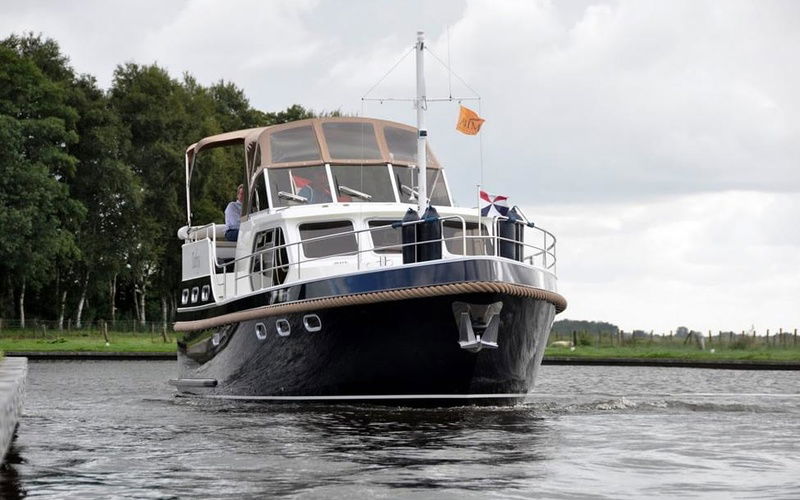


Images have been gathered from various sources and belong to their respective owners.
Review - ABIM-Classic 108

MarineBroker
01/17/2024, 9:33 AM
2009 ABIM-Classic 108: What Owners and Buyers Should Know Before Getting on the Water
If you’re looking into the 2009 ABIM-Classic 108, you’re probably trying to answer a pretty practical question: is this boat the right fit for your kind of boating? That’s a smart place to start. Whether you’re comparing listings, thinking about a purchase, or already own one and want to keep it in top shape, the biggest challenge is usually the same — separating the boat’s real-world strengths from the usual used-boat guesswork.
With any 2009 model, age matters, but condition matters more. A well-kept boat can still be a great performer, while a neglected one can turn into a project fast. That’s why it helps to know what to look for before you commit. The 2009 ABIM-Classic 108 is no exception. Understanding its layout, maintenance needs, likely wear points, and best use cases can save you time, money, and a lot of frustration.
In this article, we’ll break down the common concerns people have about a boat like the 2009 ABIM-Classic 108 and walk through practical ways to evaluate, maintain, and enjoy it with confidence.
- What Makes the 2009 ABIM-Classic 108 Worth a Closer Look
The first thing most people want to know is simple: what kind of boat is it, really? While exact specs can vary depending on configuration and market, a boat in this class is typically chosen for practical cruising, comfortable day use, and dependable performance.
For many buyers, the appeal of the 2009 ABIM-Classic 108 comes down to balance. It’s not usually about flashy features or high-speed bragging rights. It’s more about a usable layout, sensible handling, and the kind of boating that fits real life.
That makes it attractive to people who want:
- A manageable boat for coastal or inland waters
- A layout that supports family or small-group use
- A vessel that can be maintained without exotic parts or overly complex systems
- A classic style that still feels relevant today
The challenge is that boats from 2009 are old enough to have accumulated wear, but not necessarily old enough to be “vintage” in a way that automatically boosts value. So the real question becomes whether the specific boat has been cared for properly.
- The Main Problem: Age-Related Wear and Hidden Maintenance Costs
For people interested in the 2009 ABIM-Classic 108, the biggest problem is often hidden condition. On the surface, a boat may look clean and ready. But beneath that, age-related issues can quietly add up.
Common trouble areas on a boat of this age often include:
- Engine or drivetrain wear
- Electrical corrosion
- Soft spots in decking or flooring
- Aging hoses, seals, and gaskets
- Faded upholstery or interior trim
- Water intrusion around windows, hatches, or fittings
- Outdated electronics
- Hull or gelcoat wear from sun exposure
These aren’t unique to this model. They’re just the realities of buying or owning a boat that’s been in service for more than a decade. The good news is that most of these issues are manageable if you know what to inspect and how to prioritize repairs.
The real risk comes from assuming a boat is “ready to go” because it starts, floats, and looks decent in photos. A smarter approach is to treat the 2009 ABIM-Classic 108 like any used vessel: evaluate the systems, not just the surface.
- How to Evaluate a 2009 ABIM-Classic 108 Before You Buy
If you’re shopping for one, a careful inspection can make all the difference. The goal is to figure out whether you’re buying a solid boat or buying someone else’s deferred maintenance.
Start with the basics:
- Check service records if available
- Ask when the boat was last used regularly
- Look for evidence of winterization or seasonal storage
- Inspect the hull, deck, and transom closely
- Test all electrical systems, lights, pumps, and instruments
- Review the engine hours if applicable
- Examine upholstery, canvas, and seals for UV damage or mildew
A sea trial is especially important. A boat can look perfect at the dock and still reveal problems once it’s underway. During the trial, pay attention to:
- Engine startup behavior
- Steering response
- Unusual vibration
- Cooling system performance
- Smoke, odors, or leaks
- How the boat handles turns and acceleration
If possible, get a marine surveyor involved. That extra step often pays for itself by identifying issues that aren’t obvious to the untrained eye.
- 2009 ABIM-Classic 108: Common Wear Points to Inspect
When people ask what usually goes wrong on a boat like the 2009 ABIM-Classic 108, the answer is usually not one single problem. It’s a collection of smaller wear points that can become expensive if ignored.
Here are the areas worth checking first.
- Engine and Mechanical Systems
If the boat is powered by an inboard or outboard setup, look for:
- Oil condition
- Coolant condition
- Corrosion on fittings
- Belt wear
- Fuel line cracking
- Evidence of overheating
- Smooth shifting and throttle response
Even a well-running engine can hide issues if it hasn’t been serviced regularly. Maintenance logs matter a lot here.
- Electrical System
Electrical problems are common on older boats because moisture and corrosion work slowly over time.
Check for:
- Corroded terminals
- Flickering gauges
- Weak batteries
- Non-functioning bilge pumps
- Faulty navigation lights
- Loose wiring or amateur repairs
A boat that has had “temporary fixes” may need a full electrical cleanup sooner than you think.
- Hull and Structure
The hull should be inspected for:
- Cracks
- Blisters
- Impact damage
- Signs of previous repairs
- Soft spots in the deck
- Movement around fittings and cleats
If the boat has a fiberglass structure, look closely around stress points and hardware mounts.
- Interior and Comfort Areas
Interior wear may not affect safety directly, but it often tells you how the boat was treated overall.
Look for:
- Water stains
- Musty smells
- Mold or mildew
- Torn upholstery
- Damaged cabinetry
- Loose hinges and latches
A neglected interior often points to broader care issues elsewhere on the boat.
- Best Use Cases for the 2009 ABIM-Classic 108
One way to judge whether a boat is worth it is to match it to your boating style. The 2009 ABIM-Classic 108 is best understood as a practical, versatile boat rather than a specialized machine.
It may be a good fit if you want:
- Day cruising with family or friends
- Relaxed weekend outings
- Coastal or protected-water use
- A boat that emphasizes comfort over speed
- A classic-style vessel with straightforward operation
It may be less ideal if you want:
- Very high performance
- Minimal upkeep
- Brand-new electronics and systems without upgrades
- A boat you can ignore between seasons
In other words, this is the kind of boat that rewards regular attention. If you enjoy being hands-on and keeping your vessel in good shape, it can be a satisfying option.
- Practical Maintenance Tips to Keep It Running Well
If you already own a 2009 ABIM-Classic 108, your biggest advantage is consistency. Boats usually fail in slow motion, not all at once. Regular maintenance prevents small issues from becoming major repairs.
Here’s a simple maintenance rhythm that helps:
- Flush and inspect the engine after use
- Check bilge areas for leaks or unusual water
- Clean and protect metal fittings from corrosion
- Inspect hoses and clamps at least once a season
- Keep batteries charged and terminals clean
- Wash and wax exterior surfaces to protect against UV damage
- Ventilate the cabin or interior to reduce moisture buildup
- Test safety gear regularly
A few extra habits go a long way:
1. Keep a maintenance log
Write down service dates, repairs, and parts replaced. This helps you stay organized and boosts resale value later.
2. Use the boat regularly
Boats that sit too long often develop more problems than boats that are used and maintained consistently.
3. Address small leaks immediately
Water intrusion is one of the biggest enemies of any boat. A tiny leak today can become a structural headache later.
4. Protect upholstery and trim
Sun and moisture are brutal on older materials. Covers and proper storage help preserve the interior.
- Upgrades That Make Sense for an Older Boat
One of the smartest ways to improve a 2009 ABIM-Classic 108 is not by overhauling everything, but by upgrading the systems that matter most.
Useful upgrades often include:
- Modern GPS/chartplotter
- Improved battery management
- LED lighting
- New VHF radio
- Updated bilge pump or float switch
- Fresh cushions or marine upholstery
- Better fendering and docking gear
- Sun protection like canvas or covers
These upgrades improve safety, comfort, and usability without forcing you into a full rebuild.
If you’re on a budget, start with the essentials:
- Safety equipment
- Electrical reliability
- Navigation tools
- Water intrusion prevention
That order gives you the biggest return in peace of mind.
- How to Avoid Overpaying for a Used 2009 ABIM-Classic 108
Pricing a used boat is tricky because condition varies so much. Two boats from the same year can differ dramatically in value depending on service history, storage, and upgrades.
To avoid overpaying:
- Compare multiple listings, not just one
- Factor in recent maintenance and replacements
- Estimate the cost of needed repairs before making an offer
- Don’t pay a premium for cosmetic shine alone
- Ask about winter storage and freshwater versus saltwater use
- Verify whether electronics and safety gear are current
A boat that needs immediate work should be priced accordingly. Even if the asking price looks fair, the real cost includes whatever you’ll spend to make the boat truly reliable.
That’s why a pre-purchase survey is so valuable. It gives you a more realistic picture of what ownership will cost.
- Ownership Tips for Better Long-Term Value
If you plan to keep the 2009 ABIM-Classic 108 for a while, think beyond the first season. Long-term value comes from preserving the boat’s condition, not just fixing problems as they appear.
A few habits help protect resale value:
- Keep records of all service and upgrades
- Store the boat properly during off-season months
- Repair cosmetic damage before it spreads
- Replace aging hoses, seals, and hardware on schedule
- Keep the engine and electrical systems clean and dry
- Avoid letting mildew or corrosion sit unattended
Buyers notice care. A boat with organized records and visible upkeep usually inspires more confidence than one with vague answers and missing history.
- When the 2009 ABIM-Classic 108 Makes the Most Sense
This boat makes the most sense for someone who values usable comfort, classic styling, and a practical ownership experience. It’s a good choice if you’re comfortable doing routine maintenance or hiring it out on schedule.
It may be especially appealing if you want:
- A dependable recreational boat
- A used vessel with character
- A platform that can be upgraded over time
- A boat suited for relaxed, enjoyable outings
The key is to buy based on condition, not just model year. A well-maintained 2009 ABIM-Classic 108 can still offer a lot of value if it has been cared for properly.
- Conclusion
The 2009 ABIM-Classic 108 can be a solid option for the right buyer, but like any used boat, success depends on inspection, maintenance, and realistic expectations. The main challenge is avoiding hidden wear and unexpected repair costs, especially in systems that age quietly over time.
If you take the time to inspect the boat carefully, review service history, and focus on the condition of the mechanical, electrical, and structural systems, you’ll be in a much better position to make a smart decision. For current owners, regular upkeep and a few targeted upgrades can go a long way toward keeping the boat reliable and enjoyable. If you’re still researching, keep comparing notes and learning about the model before you buy. A little homework now can save a lot of hassle later.
Specifications
General
Boat Type: Power Boats
Class Type: Motor Yacht
Specifications
Length: 35.6
Beam: 12.96
Draft: 3.28
Hull Material: Steel
Build
First Built: 2009
Propulsion
Fuel Type: Diesel
Engines: 1
Power: 110 HP
Brand: Volvo Penta
Accomodation
PROS & CONS
What we appreciated
 Durable and high-quality construction typical of ABIM boatsClassic design with timeless appealGood stability and seaworthiness for coastal cruisingSpacious deck layout for comfort and functionalityReliable performance with well-maintained engines
What we didn’t appreciate
 Older model, may require more frequent maintenanceLimited modern amenities compared to newer boatsPotential difficulty in finding specific replacement partsFuel efficiency may be lower than contemporary designsResale value might be less favorable due to age
Upkeep Costs
Annual maintenance: $1,200 - $2,000
Storage fees: $800 - $1,500 per year
Insurance: $500 - $1,200 per year
Fuel costs: $1,000 - $3,000 per year (depending on usage)
Registration and licensing: $100 - $300 per year

Rating
6.9
User
Score
Score
Driveability
Technology
Interior
Design
Similar Boats


MarineBroker
Download now for an immersive boat experience like never before! ⛵✨ Your journey begins with a simple click. 🌊📲
#SetSailSmart #DownloadNow
#SetSailSmart #DownloadNow

Subscribe
Copyright 2017 - 2026, Marinebroker.net, All Rights Reserved