Boat Database » Abeking & Rasmussen Vera
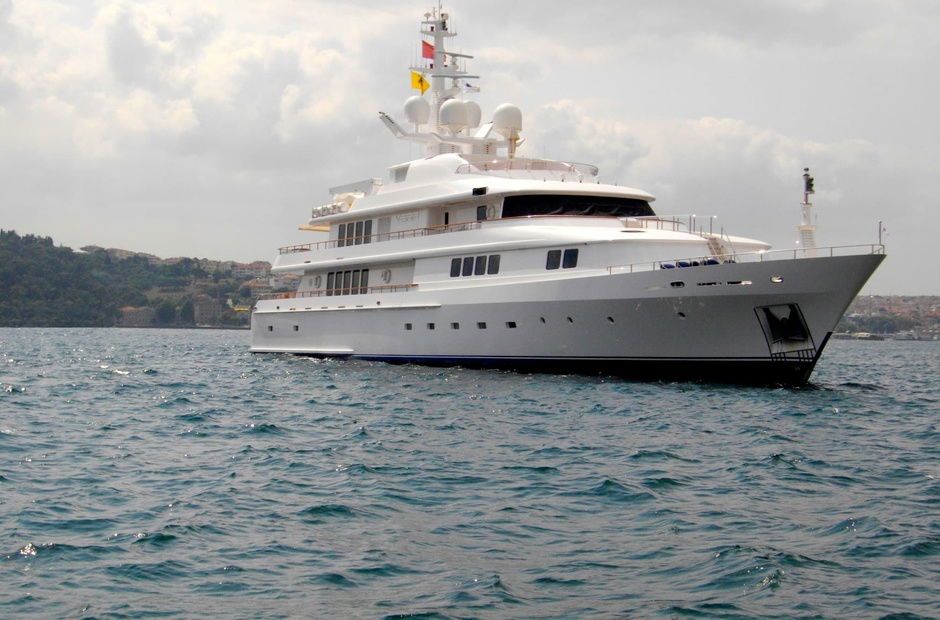
Abeking & Rasmussen Vera
Inboard Direct-Drive, Diesel, 2x 1900 HP
Power Boats 2000 Abeking & Rasmussen Vera: What to Know Before You Buy, Restore, or Charter
The 2000 Abeking & Rasmussen Vera is the kind of yacht that gets people talking for all the right reasons. Built by one of Germany’s most respected s...
Discover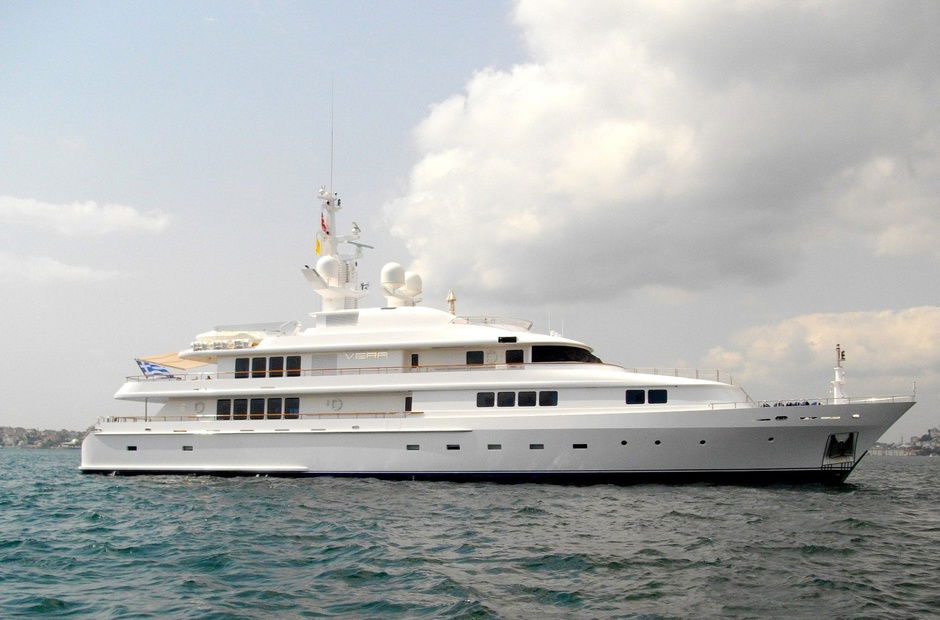
Images have been gathered from various sources and belong to their respective owners.
Review - Abeking & Rasmussen Vera

MarineBroker
01/18/2024, 3:50 PM
2000 Abeking & Rasmussen Vera: What to Know Before You Buy, Restore, or Charter
The 2000 Abeking & Rasmussen Vera is the kind of yacht that gets people talking for all the right reasons. Built by one of Germany’s most respected shipyards, it blends classic craftsmanship, serious engineering, and the kind of timeless style that still turns heads today. If you’re searching for information on this yacht, you’re probably not just browsing out of curiosity. You may be trying to figure out whether it’s worth buying, how it compares to similar yachts, what ownership might really involve, or whether a vessel like this makes sense for your cruising plans.
That’s the real challenge with a yacht like the 2000 Abeking & Rasmussen Vera: the more appealing it looks, the harder it can be to judge what’s practical. A beautiful yacht can still come with hidden maintenance demands, refit costs, operational complexity, and questions about long-term value. The good news is that most of those concerns can be managed with the right approach. If you know what to inspect, what to budget for, and how to match the yacht to your intended use, you can make a much smarter decision.
- Why the 2000 Abeking & Rasmussen Vera Stands Out
Abeking & Rasmussen has a strong reputation in the superyacht world, and that name alone carries weight. The shipyard is known for quality construction, attention to detail, and projects that often age better than average because they were built with care from the start.
A 2000 build also puts this yacht in an interesting category. It’s old enough that buyers need to think carefully about systems, refits, and upkeep, but new enough to offer modern comforts if it has been maintained properly. That combination makes it appealing to experienced owners who value character and craftsmanship.
For people interested in the 2000 Abeking & Rasmussen Vera, the main attraction is usually not just the brand. It’s the balance of pedigree, size, and potential value compared with newer yachts that may cost significantly more.
- The Main Problem Buyers Face With a Yacht Like Vera
The biggest issue with a yacht of this type is uncertainty.
On paper, a yacht may look like an excellent opportunity. In reality, the true condition of the hull, machinery, interior systems, and electronics can vary widely depending on how the vessel has been used and maintained. A well-kept yacht can be a pleasure to own. A neglected one can become a very expensive project.
Common concerns include:
- Deferred maintenance hidden behind cosmetic upgrades
- Aging mechanical systems that still “work” but are nearing replacement
- Outdated navigation or entertainment electronics
- Interior wear that is not obvious in listing photos
- Compliance issues with current safety or classification standards
- Operating costs that are higher than expected for the owner’s usage
This is why people researching the 2000 Abeking & Rasmussen Vera often need more than just basic specs. They need a framework for evaluating whether the yacht is truly a good fit.
- How to Evaluate the 2000 Abeking & Rasmussen Vera Properly
A smart evaluation starts with the yacht’s history. Ask for maintenance records, refit documentation, class records, and any survey reports available. These documents often tell you more than the listing itself.
Here’s what to focus on:
- Hull and structure: Look for evidence of corrosion, osmosis, repairs, or impact damage.
- Engines and generators: Check running hours, service intervals, and parts availability.
- Electrical systems: Older yachts can have excellent wiring, but they may also have patchwork updates over time.
- Plumbing and HVAC: These systems often create the most day-to-day comfort issues.
- Stabilizers and thrusters: Important for handling and onboard comfort, especially on larger yachts.
- Interior condition: Wear in woodwork, upholstery, flooring, and soft goods can reveal how the yacht has been used.
- Safety equipment and compliance: Lifesaving gear, fire suppression, alarms, and certification status matter more than many buyers expect.
A professional marine survey is essential. Even if the yacht looks immaculate, a survey can uncover hidden issues that affect safety, value, and future expenses.
- Why Refits Matter So Much on a 2000-Built Yacht
For a yacht from 2000, the refit question is often more important than the original build quality.
Even a top-tier yacht will eventually need updates. Over time, owners may modernize the interior, refresh the paint, replace soft furnishings, upgrade electronics, or overhaul engines and systems. The quality of those refits can make a huge difference in how usable the yacht feels today.
A good refit can solve several problems at once:
- Improve reliability
- Reduce operating risks
- Increase comfort
- Bring systems up to date
- Preserve or improve resale value
But there’s a catch: not all refits are equal. A cosmetic refresh may make a yacht look great in photos while leaving important technical issues untouched. That’s why buyers should look beyond appearance and ask what has actually been renewed.
If you’re considering the 2000 Abeking & Rasmussen Vera, a refit timeline is one of the most useful things to review. A yacht with a recent, well-documented refit may be far more attractive than one that simply appears polished.
- Matching the Yacht to Your Real Use Case
One of the most common mistakes buyers make is falling in love with a yacht before defining how they’ll use it.
The right yacht for occasional Mediterranean cruising is not always the right yacht for long-range passages, charter use, or family trips with lots of guests. The 2000 Abeking & Rasmussen Vera may be a strong candidate for certain owners, but the fit depends on your plans.
Ask yourself:
- Will you use the yacht privately or commercially?
- How many guests will you typically host?
- Do you want crewed operation or something more hands-on?
- Will you cruise locally or travel farther offshore?
- Is comfort more important than speed?
- Are you prepared for ongoing maintenance and crew costs?
For example, an owner who wants a stately, comfortable yacht for seasonal cruising may be very happy with a vessel like Vera. Someone looking for minimal upkeep and simple weekend use may find a yacht of this class more demanding than expected.
- What to Budget Beyond the Purchase Price
This is where many buyers get caught off guard.
The purchase price is only the beginning. Ownership costs can be substantial, especially for a yacht in this size and age category. Even if the 2000 Abeking & Rasmussen Vera is attractively priced, the annual operating budget may still be significant.
Typical cost areas include:
- Crew salaries and training
- Dockage and marina fees
- Fuel
- Insurance
- Routine maintenance
- Technical inspections
- Winter storage or yard fees
- Replacements for sails, tenders, toys, or equipment if applicable
- Unexpected repairs
A practical rule is to assume that older luxury yachts often require a maintenance reserve, not just a purchase budget. That reserve helps cover surprises like pump failures, electronics issues, stabilizer service, or cosmetic repairs.
If you’re serious about ownership, create a 12-month cost projection before making an offer. That one step can prevent a lot of regret later.
- Signs the 2000 Abeking & Rasmussen Vera May Be a Good Buy
Not every older yacht is a project boat. Some are genuinely strong opportunities.
The 2000 Abeking & Rasmussen Vera may be worth serious attention if it has:
- Consistent maintenance records
- A recent engine or machinery service history
- Evidence of major refit work
- Clean survey results
- Updated safety and navigation systems
- A layout that matches your intended use
- A knowledgeable crew or management team already familiar with the vessel
Another positive sign is transparency. Sellers who can clearly explain what has been done, what still needs attention, and what the future maintenance plan looks like usually make the buying process much easier.
A yacht with a strong paper trail is often more valuable than one that simply looks newer than its age.
- Common Red Flags to Watch For
It’s easy to get distracted by polished interiors and impressive photos, so stay grounded during the inspection process.
Watch for these warning signs:
- Missing maintenance records
- Fresh paint used to hide structural repairs
- Strong odors from dampness or mold
- Uneven wear between systems, suggesting patchy upkeep
- Outdated safety gear
- Repeated electrical faults
- Excessive vibration or unusual engine sounds during sea trial
- Poorly documented refits
- Signs of water intrusion around windows, hatches, or deck fittings
If several of these issues appear together, the yacht may still be salvageable, but the price should reflect the work required. Never assume a prestigious name alone guarantees a trouble-free vessel.
- How the 2000 Abeking & Rasmussen Vera Fits Into the Market
Older premium yachts often sit in a sweet spot for buyers who want quality without paying brand-new superyacht pricing. That’s part of the appeal of the 2000 Abeking & Rasmussen Vera.
In market terms, yachts like this can offer:
- Better craftsmanship than many newer mass-produced vessels
- More character and individuality
- Potentially strong value if refit and maintenance are documented
- Room for customization without the cost of a new build
However, market value depends heavily on condition. Two yachts of the same model year can differ dramatically in price based on refit quality, machinery condition, and overall presentation. That’s why a careful comparative analysis is so important.
If you’re evaluating this yacht as an investment or future resale opportunity, compare it against similar vessels in the same size range, not just against newer yachts. The right benchmark will give you a more realistic picture of value.
- Practical Steps for a Smarter Purchase Decision
If you’re seriously considering the 2000 Abeking & Rasmussen Vera, use a structured process instead of relying on instinct alone.
A simple approach looks like this:
1. Review the listing and request full documentation.
2. Verify maintenance and refit history.
3. Inspect the yacht in person.
4. Conduct a professional marine survey.
5. Perform engine and sea trial evaluations.
6. Estimate upcoming repair and upgrade costs.
7. Compare total ownership cost with your budget.
8. Negotiate based on findings, not appearance.
This process may feel slow, but it’s the best way to avoid expensive surprises. A yacht purchase should be exciting, but it should also be disciplined.
- Why Expert Support Is Worth It
Buying or evaluating a yacht like this is not something most people should do alone.
A qualified broker, surveyor, captain, or technical manager can help identify issues that a non-specialist might miss. They can also help you interpret the findings in practical terms. For example, a fault that sounds minor in a listing could be a major repair if it affects a critical system or requires yard time.
Expert support is especially useful when:
- You’re buying remotely
- The yacht has had multiple owners
- Records are incomplete
- The vessel has been heavily refitted
- You’re new to larger yacht ownership
Getting the right help upfront can save time, money, and stress. It also gives you a clearer sense of whether the yacht is a genuine opportunity or just a beautiful distraction.
- Final Thoughts on Ownership Expectations
The 2000 Abeking & Rasmussen Vera can be an appealing yacht for the right buyer. Its attraction lies in pedigree, build quality, and the possibility of owning a well-crafted vessel from a respected shipyard. But like any older luxury yacht, the real story is in the details.
If the yacht has been carefully maintained and thoughtfully refitted, it may offer excellent value and a rewarding ownership experience. If not, the costs and effort can escalate quickly. The best approach is to look beyond the brand name, inspect the facts, and match the yacht to your actual needs.
For anyone researching the 2000 Abeking & Rasmussen Vera, the smartest move is to focus on condition, documentation, and long-term usability. That’s how you turn interest into a confident decision.
If you want to go deeper, explore survey checklists, refit planning guides, and ownership cost breakdowns before making your next step.
Specifications
General
Boat Type: Power Boats
Class Type: Mega Yacht
Specifications
Length: 170.6
Beam: 33.79
Draft: 11.48
Hull Material: Steel
Build
First Built: 2000
Propulsion
Fuel Type: Diesel
Engines: 2
Power: 1900 HP
Brand: CAT
Accomodation
Cabins: 6
PROS & CONS
What we appreciated
 Classic and timeless design with elegant craftsmanshipHigh-quality materials and construction from a reputable shipyardSpacious and comfortable interior layoutExcellent sea-keeping abilities suitable for long voyagesStrong resale value due to brand prestige and rarity
What we didn’t appreciate
 Older model may require more maintenance and upkeepLimited availability of parts specific to this vintagePotentially higher operating costs compared to modern boatsLess advanced technology and navigation systems onboardMay lack some modern amenities and conveniences
Upkeep Costs
Annual maintenance and repairs: $8,000 - $15,000
Insurance: $3,000 - $7,000 per year
Docking and marina fees: $5,000 - $12,000 per year
Fuel costs: $10,000 - $20,000 per year (depending on usage)
Crew salaries (if applicable): $30,000 - $100,000+ per year
Rating
8.0
User
Score
Score
Driveability
Technology
Interior
Design
Similar Boats


MarineBroker
Download now for an immersive boat experience like never before! ⛵✨ Your journey begins with a simple click. 🌊📲
#SetSailSmart #DownloadNow
#SetSailSmart #DownloadNow

Subscribe
Copyright 2017 - 2026, Marinebroker.net, All Rights Reserved