Boat Database » Abeking & Rasmussen Lady Sheridan
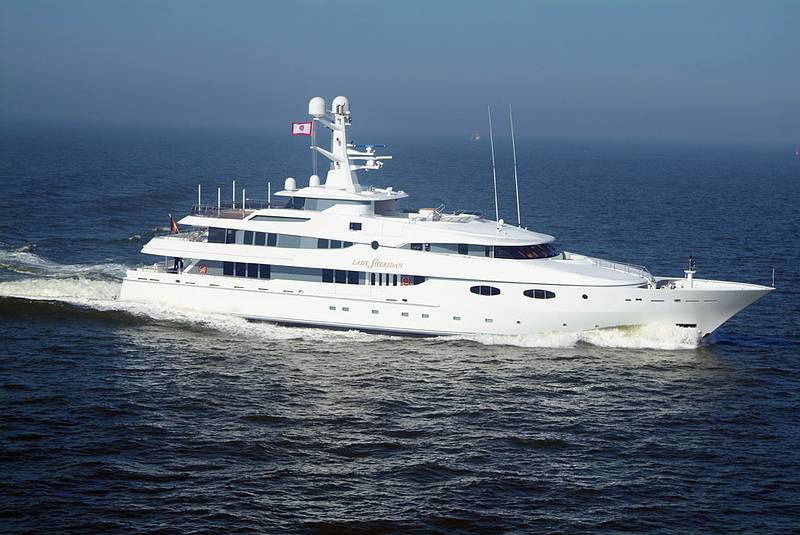
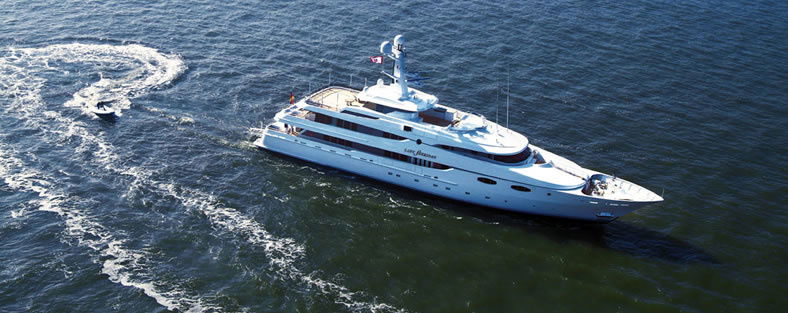
Abeking & Rasmussen Lady Sheridan
Inboard Direct-Drive, Diesel, 2x 1877 HP
Power Boats 2007 Abeking & Rasmussen Lady Sheridan: What Buyers and Enthusiasts Should Know Before Taking the Next Step
If you’ve been searching for information on the 2007 Abeking & Rasmussen Lady Sheridan, chances are you’re not just brows...
Discover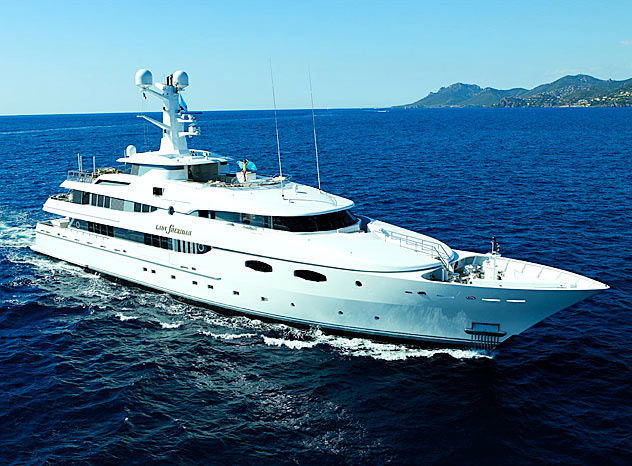

Images have been gathered from various sources and belong to their respective owners.
Review - Abeking & Rasmussen Lady Sheridan

MarineBroker
01/18/2024, 3:01 PM
2007 Abeking & Rasmussen Lady Sheridan: What Buyers and Enthusiasts Should Know Before Taking the Next Step
If you’ve been searching for information on the 2007 Abeking & Rasmussen Lady Sheridan, chances are you’re not just browsing out of curiosity. You may be trying to understand what makes this yacht special, whether it holds up today, and how to evaluate it without getting lost in glossy brochures or vague listings. That’s a very real challenge in the superyacht world, where details matter and the wrong assumption can turn into an expensive mistake.
The good news is that a yacht like the 2007 Abeking & Rasmussen Lady Sheridan can be assessed in a practical way. Instead of focusing only on prestige, you can look at the things that actually affect ownership and enjoyment: build quality, layout, maintenance history, refit potential, operating costs, and how well the yacht fits your intended use. For many interested buyers and followers, the real problem is not finding the yacht itself, but figuring out how to judge it properly.
This article breaks that down in a straightforward way, so you can better understand what to look for and how to approach a yacht of this caliber with confidence.
- What Makes the 2007 Abeking & Rasmussen Lady Sheridan Noteworthy
Abeking & Rasmussen has a long-standing reputation for building custom and semi-custom yachts with a strong emphasis on craftsmanship, engineering, and long-term durability. That matters because boats in this class are not just luxury assets; they are complex machines that need to perform reliably over time.
The 2007 Abeking & Rasmussen Lady Sheridan stands out because yachts from this yard are typically associated with:
- High-end German shipbuilding standards
- Strong attention to detail in construction and finishing
- Custom or highly tailored layouts
- A design philosophy focused on comfort and seaworthiness
For buyers and enthusiasts, this means the yacht should be considered through the lens of build pedigree and long-term usability, not only aesthetics. A well-built yacht can age gracefully, but only if it has been maintained properly and updated when needed.
If you are evaluating a yacht like this, the first question is not “Is it beautiful?” It’s “How well has it been cared for, and does it still meet modern expectations?”
- The Real Problem: How Do You Judge a Yacht Like This Without Guesswork?
A yacht such as the 2007 Abeking & Rasmussen Lady Sheridan can be impressive on paper, but that doesn’t automatically tell you whether it is the right fit. Many prospective buyers run into the same issue: they see the name, size, and pedigree, but they don’t know how to separate marketing language from real value.
That creates a few common problems:
- You may not know which features are genuinely valuable
- You may struggle to compare it with newer yachts
- You may worry about maintenance costs and refit needs
- You may not know whether older luxury yachts are still practical
- You may overlook hidden issues in systems, structure, or ownership history
This is where a structured evaluation helps. Instead of asking whether the yacht is “good,” ask whether it is good for your intended use, budget, and expectations. That simple shift makes the whole process much easier.
- Start with the Build Quality and Design Philosophy
One of the biggest advantages of a yacht built by Abeking & Rasmussen is the reputation for quality construction. When people talk about this yard, they are often referring to solid engineering, careful craftsmanship, and a custom approach that tends to age better than mass-produced alternatives.
For a yacht from 2007, the build quality still matters a great deal. Strong construction can help with:
- Structural integrity over time
- Better ride comfort
- Reduced vibration and noise
- Longer service life of key systems
- Higher confidence during refit or modernization
A yacht’s design philosophy also affects everyday use. Some yachts are optimized for speed, some for volume, and others for long-range comfort. Before focusing on luxury finishes, think about how the yacht is actually laid out and whether that layout supports the way you want to use it.
For example:
- Do the guest areas feel private and comfortable?
- Is crew circulation efficient?
- Are the outdoor spaces practical for entertaining?
- Does the interior arrangement suit family cruising, charter use, or private ownership?
These questions often matter more than a polished listing description.
- Why Age Is Not the Same as Obsolescence
A 2007 yacht is not “old” in the way many people imagine, but it is old enough that systems, electronics, and interior styling may no longer reflect current expectations. That does not make it a bad choice. It simply means you need to evaluate what has been updated and what still needs attention.
This is where many buyers get stuck. They assume that a premium yacht should remain perfect indefinitely. In reality, even the best yachts require ongoing investment.
Common areas that may need review on a yacht from this era include:
- Navigation and communication electronics
- AV/entertainment systems
- Air conditioning and climate control
- Machinery service intervals
- Paint and exterior cosmetics
- Interior soft goods and furnishings
- Safety equipment and compliance items
A yacht can still be excellent if these areas have been maintained or refitted properly. In fact, a well-kept older yacht can sometimes offer better value than a newer yacht with weaker build quality or less thoughtful design.
- How to Evaluate Maintenance History the Smart Way
If you are seriously interested in the 2007 Abeking & Rasmussen Lady Sheridan, maintenance history should be one of your top priorities. A yacht’s records tell you more than its photos ever will.
Look for documentation that shows:
- Regular engine and generator servicing
- Hull and machinery inspections
- Repair records for major systems
- Refit or upgrade documentation
- Classification and compliance history
- Ownership changes and usage patterns
A clean, organized maintenance file is a strong sign that the yacht has been professionally cared for. On the other hand, gaps in records may suggest deferred maintenance or inconsistent management.
Here’s a practical way to think about it:
- A yacht with consistent servicing is often easier and cheaper to own
- A yacht with incomplete records may hide future costs
- A yacht that has been refitted well can outperform a newer but neglected vessel
If you are not technical yourself, bring in a qualified marine surveyor and an experienced yacht manager or captain. Their job is to identify issues that are easy to miss, especially in systems that look fine during a casual walkthrough.
- The Importance of Refit Potential
One of the smartest ways to view a yacht from 2007 is as a platform. In other words, you are not only buying what you see today; you are buying the opportunity to adapt it to your own standards.
That is especially relevant for the 2007 Abeking & Rasmussen Lady Sheridan, because yachts from respected shipyards often have the underlying quality needed to justify upgrades. A thoughtful refit can refresh the yacht without compromising what made it attractive in the first place.
Refit priorities usually fall into a few categories:
- Technical upgrades
- Interior refresh
- Exterior paint and teak work
- Navigation and safety modernization
- Energy efficiency improvements
- Guest comfort enhancements
A good refit does not mean changing everything. It means identifying the areas that affect reliability, comfort, and long-term value.
For example:
- Replacing outdated electronics can improve usability immediately
- Updating soft furnishings can make the yacht feel much newer
- Servicing machinery can reduce downtime and stress
- Improving insulation or climate systems can boost comfort in warm climates
This is often the practical solution for buyers who like the yacht’s foundation but want it to feel current.
- Matching the Yacht to Your Use Case
This is where many decisions are made too quickly. A yacht can be technically excellent and still be the wrong fit for your lifestyle. So before making any assumptions, define how you plan to use it.
Ask yourself:
- Will the yacht be used privately or for charter?
- How many guests will you typically host?
- Do you want long-range cruising or seasonal coastal use?
- Will you travel with a large crew or a lean team?
- Is entertainment space more important than cabin count?
The 2007 Abeking & Rasmussen Lady Sheridan may appeal to buyers who value craftsmanship, elegance, and established pedigree. But the best yacht for you depends on how those qualities align with your day-to-day needs.
For example:
- A private owner may prioritize quiet comfort and personalized spaces
- A charter-focused buyer may care more about guest flow and operational efficiency
- A cruising family may want dependable systems and practical storage
- An enthusiast may value classic build quality and refit potential
The right yacht is not necessarily the newest one. It is the one that fits your actual use pattern.
- What to Look for During a Viewing
A proper viewing should go beyond the staged presentation. You want to see how the yacht feels in real life and whether the details support the asking price and long-term ownership picture.
During a viewing, pay attention to:
- Noise levels underway and at anchor
- Engine room cleanliness and accessibility
- Condition of visible wiring and piping
- Door closures, joinery, and finish quality
- Signs of wear in high-traffic areas
- Storage practicality
- Crew workspace layout
- Ventilation and odor control
Also, don’t ignore the small things. Small issues often reveal bigger patterns.
Examples include:
- Sticky doors or drawers
- Uneven flooring or panel gaps
- Water staining around windows or ceilings
- Corrosion in hardware or fittings
- Faded upholstery or sun damage
- Outdated controls that are hard to operate
These may sound minor, but they help you understand whether the yacht has been cared for consistently or only polished for showings.
- Why Survey and Sea Trial Matter More Than Hype
A sea trial is where the yacht proves itself. A survey is where you find out what the listing photos don’t show. For a yacht like the 2007 Abeking & Rasmussen Lady Sheridan, both are essential.
A professional survey should examine:
- Hull condition
- Machinery performance
- Electrical systems
- Plumbing and sanitation systems
- Safety equipment
- Structural integrity
- Evidence of corrosion, leaks, or hidden damage
A sea trial should help you assess:
- Acceleration and handling
- Stability and vibration
- Noise levels
- Temperature control
- Navigation system functionality
- Crew workflow during operation
If possible, compare the sea trial results with the yacht’s service records. That helps you see whether performance matches the paperwork.
This step is not just due diligence. It is the practical solution to uncertainty. Instead of relying on assumptions, you are gathering evidence.
- Ownership Costs: The Part People Underestimate
Many people focus on purchase price and forget that a yacht’s true cost is ongoing. This is especially important with a 2007 superyacht, where the purchase may be only the beginning.
Typical ownership costs can include:
- Crew salaries
- Dockage and marina fees
- Fuel
- Insurance
- Routine maintenance
- Repairs and spare parts
- Refit reserves
- Classification or compliance costs
A well-built yacht may still be expensive to operate, but it can offer better predictability if the systems are well maintained. That predictability is valuable because it reduces surprise expenses and makes planning easier.
A useful rule of thumb is to budget conservatively. If the yacht looks like a bargain, ask what has been deferred. In many cases, the real cost appears after the purchase if the maintenance history was incomplete.
- How the 2007 Abeking & Rasmussen Lady Sheridan Fits into Today’s Market
In today’s market, many buyers are looking for more than just newness. They want value, character, and a yacht that has already proven itself. That is where a well-kept yacht from 2007 can be attractive.
The appeal often comes from a combination of:
- Established reputation
- Proven construction
- More usable space than many newer yachts of similar size
- Potential for customization through refit
- Stronger value compared with brand-new builds
The 2007 Abeking & Rasmussen Lady Sheridan may be especially interesting to buyers who appreciate classic superyacht quality and are willing to invest in upkeep. For the right owner, that can be a very smart balance between prestige and practicality.
Still, modern expectations are important. Buyers today often want:
- Better connectivity
- More efficient systems
- Lower noise and vibration
- Updated interiors
- Easier onboard technology
That means the best strategy is not to expect a 2007 yacht to feel brand new. Instead, evaluate whether it has the right foundation for modernization.
- Practical Checklist for Interested Buyers
If you are seriously considering a yacht like this, use a simple checklist to stay grounded.
Before moving forward, confirm:
1. Full service and maintenance records are available
2. A recent survey has been completed or is planned
3. The sea trial performance is satisfactory
4. Major systems have been reviewed by experts
5. Refit needs are clearly understood
6. Operating costs fit your budget
7. The layout matches your intended use
8. Compliance and classification status are current
This checklist helps you avoid emotional decisions. It also gives you a structured way to compare the yacht with others in the same category.
- Common Mistakes to Avoid
People often make the same few mistakes when looking at yachts like the 2007 Abeking & Rasmussen Lady Sheridan.
Try not to:
- Judge only by appearance
- Assume a famous builder means zero issues
- Skip the survey to save time
- Underestimate refit costs
- Ignore crew and operational practicality
- Focus only on purchase price
- Buy without understanding long-term ownership demands
A yacht is a living asset. It changes with time, usage, and maintenance. The smartest buyers are the ones who look past the initial impression and focus on the whole ownership picture.
- A Better Way to Approach Your Search
If your goal is to understand whether the 2007 Abeking & Rasmussen Lady Sheridan is right for you, the best approach is simple: combine pedigree with proof. Pedigree tells you what the yacht was designed to be. Proof tells you what it is today.
That means looking at:
- Build reputation
- Maintenance history
- Survey findings
- Sea trial results
- Refit potential
- Ownership costs
- Fit for your lifestyle
When those pieces line up, you have a much clearer picture. And that is the real solution to buying or following a yacht like this without getting overwhelmed.
- Conclusion
The 2007 Abeking & Rasmussen Lady Sheridan represents the kind of yacht that rewards careful evaluation. Its appeal lies not just in the name, but in the combination of craftsmanship, design quality, and potential for long-term enjoyment. Still, the key to making a smart decision is understanding how the yacht has been maintained, what updates it needs, and whether it fits your real-world plans.
If you take the time to review records, inspect systems, and think practically about ownership, you can avoid guesswork and make a much more confident choice. For anyone interested in this yacht, the best next step is to explore detailed specifications, request professional surveys, and compare the vessel against your own use case. That approach will always serve you better than relying on hype alone.
Specifications
General
Boat Type: Power Boats
Class Type: Mega Yacht
Specifications
Length: 189.96
Beam: 35.1
Draft: 11.48
Hull Material: Steel
Build
First Built: 2007
Propulsion
Fuel Type: Diesel
Engines: 2
Power: 1877 HP
Brand: Caterpillar
Accomodation
Cabins: 7
PROS & CONS
What we appreciated
 Classic and elegant design by a prestigious shipyardHigh-quality craftsmanship and materialsSpacious and luxurious interior layoutSolid build ensuring durability and seaworthinessStrong reputation for excellent performance and comfort
What we didn’t appreciate
 Older model may require more maintenance and updatesPotentially higher operating and upkeep costsLimited modern technological features compared to newer yachtsFuel consumption may be less efficientAvailability of spare parts could be challenging due to age
Upkeep Costs
Fuel: Approximately $50,000 - $100,000 per year depending on usage
Maintenance and Repairs: $30,000 - $70,000 per year
Crew Salaries: $150,000 - $250,000 per year for a full crew
Docking and Mooring Fees: $20,000 - $60,000 per year
Insurance: $15,000 - $40,000 per year
Rating
8.6
User
Score
Score
Driveability
Technology
Interior
Design
Similar Boats


MarineBroker
Download now for an immersive boat experience like never before! ⛵✨ Your journey begins with a simple click. 🌊📲
#SetSailSmart #DownloadNow
#SetSailSmart #DownloadNow

Subscribe
Copyright 2017 - 2026, Marinebroker.net, All Rights Reserved