Boat Database » Abeking & Rasmussen Diamond
Abeking & Rasmussen Diamond
Inboard Direct-Drive, Diesel, 2x 3750 HP
Power Boats 1998 Abeking & Rasmussen Diamond: What Buyers and Owners Should Know Before You Dive In
If you’re searching for information on the 1998 Abeking & Rasmussen Diamond, chances are you’re already past the “just browsing” stage. Maybe...
Discover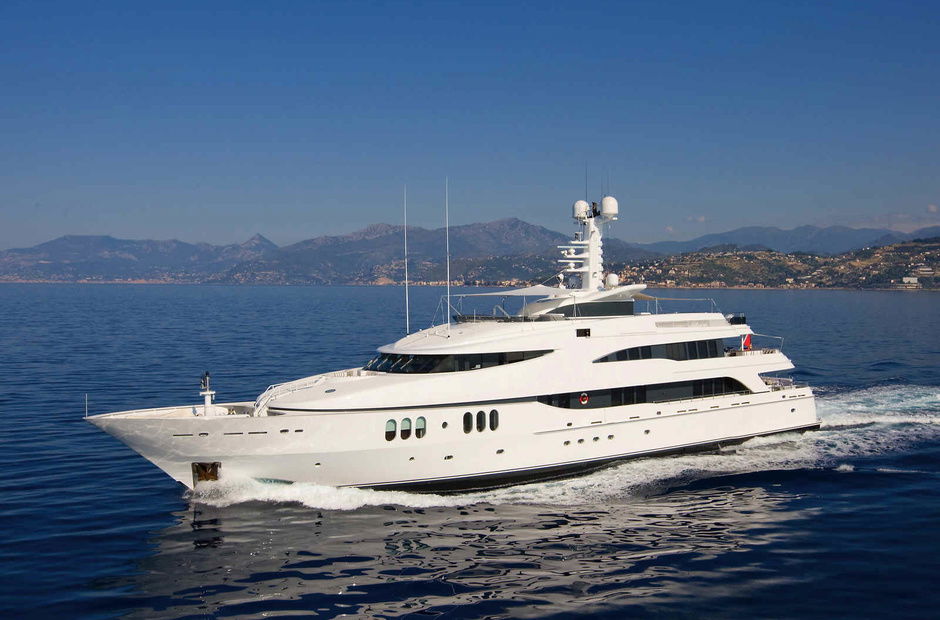

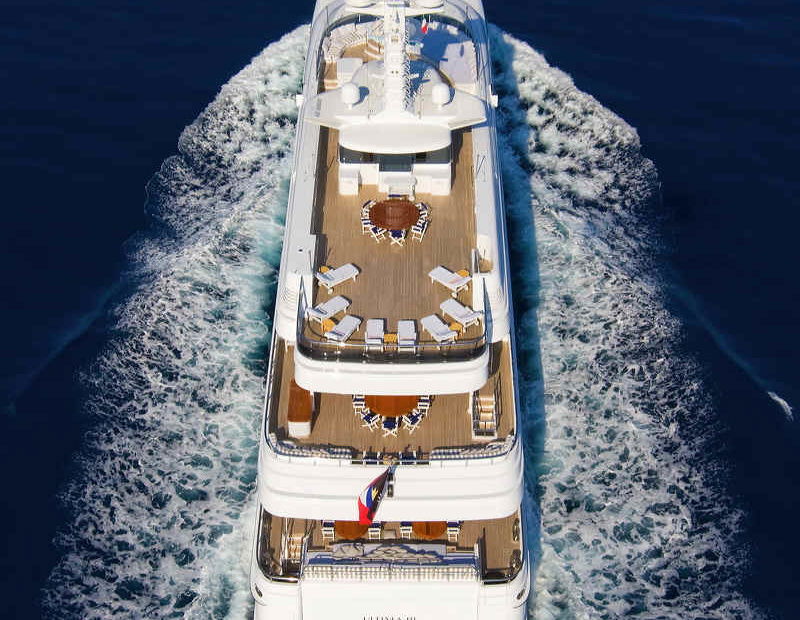

Images have been gathered from various sources and belong to their respective owners.
Review - Abeking & Rasmussen Diamond

MarineBroker
01/18/2024, 3:43 PM
1998 Abeking & Rasmussen Diamond: What Buyers and Owners Should Know Before You Dive In
If you’re searching for information on the 1998 Abeking & Rasmussen Diamond, chances are you’re already past the “just browsing” stage. Maybe you’re considering a purchase, trying to understand the yacht’s value, or looking for practical ownership advice before making a decision. And that makes sense — with a classic yacht like this, the details matter a lot.
A vessel built by Abeking & Rasmussen already carries a strong reputation for craftsmanship, and a 1998 model can still be an impressive blend of engineering, elegance, and offshore capability. But older yachts also come with a common challenge: separating the dream from the reality. Photos and listings can make any yacht look perfect, while the real questions are usually about maintenance, refit history, survey results, operating costs, and whether the boat truly fits your plans.
That’s where the smart approach comes in. Instead of focusing only on the name or appearance, it helps to understand what makes the 1998 Abeking & Rasmussen Diamond special, what to inspect, and how to evaluate it properly. In this guide, we’ll walk through the key things buyers and enthusiasts should know so you can make a more confident, informed decision.
- What Makes the 1998 Abeking & Rasmussen Diamond Stand Out
Abeking & Rasmussen is one of those shipyards that instantly signals quality to people who know yachts. The German builder has long been associated with custom construction, attention to detail, and high-end finishes. That reputation matters, especially when looking at a yacht from 1998.
The 1998 Abeking & Rasmussen Diamond appeals to buyers for a few reasons:
- It represents a period when many yachts were built with serious long-range cruising in mind.
- The construction quality from a top-tier yard often gives older yachts a stronger foundation than mass-produced alternatives.
- A well-maintained yacht from this era can still offer a lot of value compared with newer vessels in the same class.
That said, “classic quality” does not automatically mean “low maintenance.” In fact, older luxury yachts often require more careful evaluation because systems age at different rates. The hull may still be excellent, while electronics, soft goods, and mechanical systems may need updating.
For anyone interested in the 1998 Abeking & Rasmussen Diamond, the real question is not just what the yacht was when it left the yard. It’s what condition it’s in today.
- The Most Common Problem: Knowing Whether an Older Luxury Yacht Is a Smart Buy
One of the biggest problems people face when researching a yacht like the 1998 Abeking & Rasmussen Diamond is uncertainty. Older yachts often look amazing in listings, but buyers worry about hidden issues that can turn a dream purchase into a costly project.
Common concerns include:
- Unclear maintenance history
- Outdated navigation and onboard electronics
- Engine hours and mechanical wear
- Water intrusion or structural issues
- Aging plumbing, electrical, and HVAC systems
- Cost of refit versus actual market value
This is especially important with a yacht built in the late 1990s. By now, many components may have been replaced at least once, while others may still be original. That mix can be perfectly fine if the vessel has been maintained well, but it can also create surprises if the yacht has been neglected.
The solution is not to avoid older yachts altogether. The solution is to evaluate them like a professional: carefully, systematically, and with the right experts.
- How to Evaluate the 1998 Abeking & Rasmussen Diamond the Right Way
If you’re seriously considering this yacht, start with a structured review. A beautiful listing is not enough. You want to understand the boat’s actual condition, not just its presentation.
Here’s a practical checklist:
1. Review the maintenance records
Ask for detailed service logs, refit records, and invoices. A well-documented yacht is usually easier to trust than one with gaps in its history.
2. Look at the refit timeline
Many yachts from 1998 have undergone major upgrades. Check whether the engines, generators, electronics, stabilizers, interior systems, or paint have been updated.
3. Commission a full survey
Never skip a professional survey. For a yacht of this age, a marine surveyor and mechanical specialist can reveal issues that are not visible during a walk-through.
4. Inspect the hull and superstructure carefully
Pay attention to signs of stress, corrosion, blistering, or prior repairs. Even top-quality construction needs proper upkeep over time.
5. Test all major systems
Run the engines, generators, pumps, air conditioning, and onboard electronics. A system that “powers on” is not the same as one that performs reliably.
6. Confirm compliance and documentation
Make sure the vessel’s registration, classification, and safety equipment are in order. Documentation issues can create headaches later.
This process may sound detailed, but it’s exactly how you avoid expensive mistakes. With a yacht like the 1998 Abeking & Rasmussen Diamond, diligence is part of the purchase.
- Why Maintenance History Matters More Than Age Alone
A common misconception is that older automatically means problematic. That’s not always true. In the yacht world, maintenance history often matters more than age.
A well-kept 1998 yacht may be in better condition than a newer boat that was poorly cared for. The difference usually comes down to how consistently the vessel was maintained and whether upgrades were done on time.
Look for signs of proactive ownership, such as:
- Regular engine servicing
- Updated safety gear
- Recent paint or varnish work
- Replaced hoses, seals, and pumps
- Modernized navigation equipment
- Clean, organized engine rooms
On the other hand, warning signs include:
- Missing service records
- Patchwork repairs
- Outdated systems with no upgrade plan
- Cosmetic improvements hiding deeper issues
- Unexplained downtime or repeated failures
For the 1998 Abeking & Rasmussen Diamond, a strong maintenance record can make the difference between a smart acquisition and a long list of repairs. If the yacht has been cared for by experienced owners or a professional crew, that’s a major plus.
- What to Expect from Operating Costs
Another common problem for interested buyers is underestimating running costs. A yacht in this class is not just a purchase — it’s an ongoing commitment.
Operating expenses may include:
- Fuel
- Dockage or marina fees
- Insurance
- Crew salaries
- Routine maintenance
- Haul-out and yard time
- Parts replacement
- Seasonal servicing
- Unexpected repairs
Older luxury yachts often require more frequent attention than newer ones. Even if the 1998 Abeking & Rasmussen Diamond is in excellent shape, you should budget for regular upkeep and occasional system replacements.
A good rule of thumb is to think beyond the asking price. Ask yourself:
- Can I afford annual maintenance?
- Do I have access to qualified service technicians?
- Will this yacht need a refit soon?
- How much use will I realistically get from it?
If you’re buying for enjoyment rather than charter or resale, the answer may still be yes. But you want that yes to be informed, not optimistic.
- The Best Solution: Buy with a Survey, Refit Plan, and Clear Use Case
The smartest way to approach the 1998 Abeking & Rasmussen Diamond is to match the yacht with your real goals. That’s the practical solution most buyers need.
If you want a yacht for private cruising, your priorities might be comfort, reliability, and ease of operation. If you want a yacht for entertaining, layout and guest spaces matter more. If you’re looking for long-distance passages, mechanical condition and fuel efficiency become critical.
A useful decision framework looks like this:
- Private family use: focus on layout, safety, and comfort
- Extended cruising: prioritize systems reliability and fuel range
- Refurbishment project: budget realistically for upgrades
- Collector appeal: emphasize originality, pedigree, and condition
- Charter potential: confirm commercial compliance and guest-friendly features
Once you know your use case, you can evaluate whether the yacht fits. This prevents one of the most common mistakes: buying a beautiful vessel that doesn’t actually match your boating lifestyle.
- Signs the 1998 Abeking & Rasmussen Diamond May Be Worth a Closer Look
Not every older yacht deserves the same level of attention, but some signs suggest a vessel is especially promising.
Positive indicators include:
- A respected shipyard pedigree
- Comprehensive maintenance records
- Evidence of professional crew care
- Recent mechanical or cosmetic upgrades
- Clean survey results
- A layout that still feels practical today
If the 1998 Abeking & Rasmussen Diamond shows several of these traits, it may represent strong value. The combination of craftsmanship and thoughtful upkeep can make a big difference in how the yacht performs and feels onboard.
You should also pay attention to how the yacht presents during inspection. A well-maintained vessel often feels “tight” and orderly, even if it’s older. Doors close properly, systems respond predictably, and the engine room looks organized rather than improvised.
That kind of condition usually doesn’t happen by accident.
- Common Mistakes Buyers Make with Classic Yachts
When people fall in love with a yacht, they sometimes stop asking hard questions. That’s understandable, but it’s also where expensive mistakes happen.
Here are some of the most common errors:
- Buying based on appearance alone
- Ignoring survey findings
- Underestimating refit costs
- Assuming a famous builder means no issues
- Skipping sea trials
- Failing to check service history
- Not planning for ongoing ownership costs
With a yacht like the 1998 Abeking & Rasmussen Diamond, the goal is not to be cautious for the sake of caution. It’s to be realistic. Classic yachts can offer incredible value, but only when the buyer understands what they’re taking on.
A sea trial is especially important. It tells you how the yacht behaves underway, how systems perform under load, and whether the experience matches the listing description. If anything feels off, ask questions and get answers before moving forward.
- How to Compare the 1998 Abeking & Rasmussen Diamond to Similar Yachts
If you’re comparing this yacht to other vessels in the same age and class, focus on more than brand name. Two yachts built in the same year can be completely different in ownership experience.
Compare:
- Condition of the hull and mechanical systems
- Level of refit investment
- Interior freshness
- Equipment age
- Survey results
- Asking price versus maintenance burden
- Suitability for your intended use
Sometimes a slightly more expensive yacht is actually the better deal if it already has updated systems and a cleaner history. Other times, a lower-priced vessel may need so much work that it becomes the more expensive option overall.
This is why the 1998 Abeking & Rasmussen Diamond should be evaluated as a complete package, not just a nameplate.
- Practical Tips for First-Time Buyers Interested in This Yacht
If this is your first major yacht purchase, keep the process simple and disciplined.
A few practical tips:
- Bring in a broker who understands classic yachts
- Hire an independent surveyor, not one suggested only by the seller
- Get estimates for likely upgrades before closing
- Ask for recent photos of engine rooms and technical spaces
- Review all equipment manuals and service records
- Take your time during the inspection
- Don’t rush because the yacht is “rare”
It also helps to think in stages. First, determine whether the yacht is structurally and mechanically sound. Then decide whether it fits your budget and lifestyle. Only after that should you think about cosmetics or customization.
That approach keeps emotion in check and gives you a better shot at making a satisfying purchase.
- Is the 1998 Abeking & Rasmussen Diamond Right for You?
The answer depends on what you want from ownership. If you’re drawn to pedigree, craftsmanship, and the appeal of a well-built classic yacht, the 1998 Abeking & Rasmussen Diamond can be a compelling option. But it’s best suited for buyers who understand that older luxury yachts require careful inspection and realistic budgeting.
If you want a turnkey vessel with minimal upkeep, you’ll need to be very selective. If you’re open to a yacht that may need updates but offers strong bones and timeless quality, this could be a very attractive path.
In other words, the yacht itself is only part of the equation. The real value comes from condition, documentation, and how well it matches your boating plans.
- Conclusion
The 1998 Abeking & Rasmussen Diamond stands out because of its pedigree, craftsmanship, and long-term appeal, but like any older luxury yacht, it needs a careful, informed approach. The biggest challenge for buyers is not finding interest — it’s knowing whether the vessel has been maintained well enough to justify the investment.
The best solution is straightforward: review records, commission a proper survey, inspect all major systems, and compare the yacht against your real needs and budget. When you do that, you move from guessing to knowing. And that’s the difference between a risky purchase and a confident one. If you’re still researching, keep digging into maintenance history, refit details, and sea trial results before making your next move.
Specifications
General
Boat Type: Power Boats
Class Type: Mega Yacht
Specifications
Length: 187.99
Beam: 33.79
Draft: 11.48
Hull Material: Steel
Build
First Built: 1998
Propulsion
Fuel Type: Diesel
Engines: 2
Power: 3750 HP
Brand: Caterpillar
Accomodation
Cabins: 6
PROS & CONS
What we appreciated
 Classic and timeless design from a renowned German shipyardHigh-quality craftsmanship and materialsSturdy and durable construction suitable for long voyagesSpacious and comfortable interior layoutStrong resale value due to brand reputation
What we didn’t appreciate
 Older model, may require more maintenance and updatesPotentially higher operating costs due to fuel consumptionLimited modern amenities compared to newer yachtsParts and service may be costly and harder to findHeavier displacement could affect speed and agility
Upkeep Costs
Annual maintenance and repairs: $5,000 - $15,000
Fuel costs: $10,000 - $20,000 per year depending on usage
Docking and marina fees: $8,000 - $25,000 per year
Insurance: $3,000 - $7,000 per year
Registration and taxes: $500 - $2,000 per year
Rating
8.2
User
Score
Score
Driveability
Technology
Interior
Design
Similar Boats


MarineBroker
Download now for an immersive boat experience like never before! ⛵✨ Your journey begins with a simple click. 🌊📲
#SetSailSmart #DownloadNow
#SetSailSmart #DownloadNow

Subscribe
Copyright 2017 - 2026, Marinebroker.net, All Rights Reserved