Boat Database » AB Inflatables Profile A 13-S
AB Inflatables Profile A 13-S
Outboard four-stroke, Unleaded, 1x 40 HP
Power Boats 2018 AB Inflatables Profile A 13-S: A Practical Guide to Choosing, Using, and Maintaining a Compact RIB
If you’re looking at the 2018 AB Inflatables Profile A 13-S, chances are you’re trying to solve a very specific boating probl...
Discover
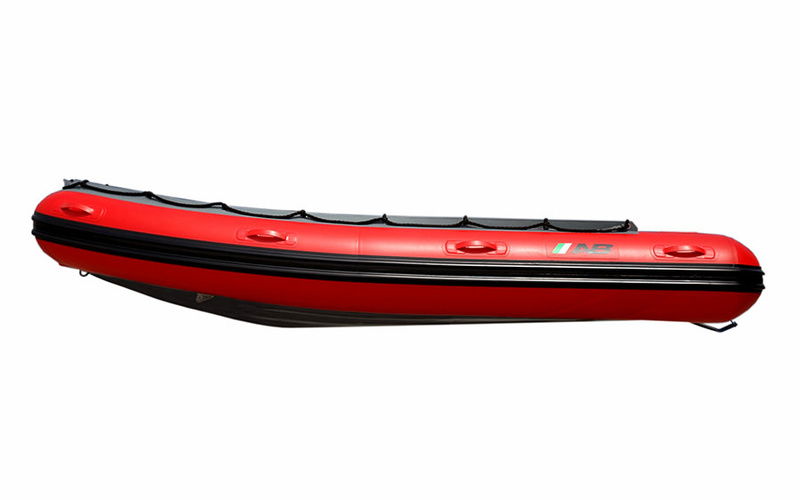


Images have been gathered from various sources and belong to their respective owners.
Review - AB Inflatables Profile A 13-S

MarineBroker
01/16/2024, 10:23 AM
2018 AB Inflatables Profile A 13-S: A Practical Guide to Choosing, Using, and Maintaining a Compact RIB
If you’re looking at the 2018 AB Inflatables Profile A 13-S, chances are you’re trying to solve a very specific boating problem: you want a small, reliable inflatable that’s easy to handle, easy to store, and still capable enough for real-world use. That’s a common challenge for boaters who need a tender, a family runabout, or a compact boat for short trips and dock runs. The tricky part is finding something that feels stable and practical without becoming a hassle to launch, tow, or maintain.
That’s where a boat like the 2018 AB Inflatables Profile A 13-S comes into the conversation. It sits in a sweet spot for people who want portability without giving up too much function. But like any small inflatable, getting the best experience depends on understanding what it’s good at, where it has limits, and how to set it up for your needs.
In this guide, we’ll break down the boat’s strengths, common concerns, and the most practical ways to use and care for it. Whether you’re comparing options or already own one, this will help you make smarter decisions and get more value from your boat.
- What Makes the 2018 AB Inflatables Profile A 13-S Stand Out
The 2018 AB Inflatables Profile A 13-S is part of a category many boaters love: compact rigid inflatable boats, or RIBs. These boats combine a solid hull with inflatable tubes, which gives you a useful mix of stability, buoyancy, and lightweight handling.
For a 13-foot-class boat, that balance matters a lot. You want something that’s small enough to manage without a crew, but still confident enough to carry passengers, gear, or act as a dependable tender.
The Profile A 13-S is appealing because it is designed for practical boating rather than flashy extras. That usually means:
- Easier trailering and launching
- Better storage options than larger boats
- Good stability at rest
- Simple day-use versatility
- A layout that works well for short trips and utility use
For many owners, the real value isn’t just the boat itself. It’s how much boating freedom it gives without requiring a full-size vessel or a complicated setup.
- The Main Problem Buyers Face With Small Inflatable Boats
The biggest issue people run into with boats like the 2018 AB Inflatables Profile A 13-S is expectation mismatch. A compact RIB can do a lot, but it cannot do everything.
Some buyers expect a small inflatable to behave like a larger center console. Others expect it to be ultra-light and effortless, while still carrying multiple passengers and gear. In reality, you’re always balancing three things:
- Weight
- Capacity
- Performance
If you overload a small inflatable, it may sit lower in the water, feel less responsive, and become less comfortable. If you underpower it, you may not get the performance you want. If you don’t maintain the tubes and hull properly, small issues can become expensive headaches.
So the problem isn’t usually the boat itself. It’s knowing how to use a compact RIB in the right way.
- Who the 2018 AB Inflatables Profile A 13-S Is Best For
This model makes the most sense for boaters who need a compact, dependable platform rather than a large recreational boat.
It’s a good fit for:
- Yacht owners needing a tender
- Families wanting a small day boat
- Coastal boaters who value stability and portability
- People with limited dock or storage space
- Owners who want an easy-to-handle boat for short outings
It may be less ideal for people who want:
- High passenger capacity
- Long offshore trips
- Big fishing setups
- Lots of onboard storage
- A boat that feels like a full-size cruiser
If your goal is convenience and versatility in a small package, this type of inflatable boat can be a very smart choice.
- 2018 AB Inflatables Profile A 13-S: What to Check Before Buying or Using
Whether you’re shopping for one or already have one, a quick inspection routine can save you time and money. Small boats are often judged by their appearance, but the real value is in condition and setup.
Here’s what to look at first:
- Tube condition: Check for leaks, patches, UV damage, or soft spots
- Hull condition: Look for cracks, scrapes, or repairs on the fiberglass or rigid surface
- Seams and valves: Make sure inflation points are clean and holding air properly
- Flooring and fittings: Confirm that seats, cleats, and hardware are secure
- Engine match: Make sure the outboard is appropriate for the boat’s size and intended use
- Weight distribution: Check how the boat sits when loaded
A compact inflatable can look fine at a glance but still have hidden issues. Paying attention to these details helps you avoid performance problems later.
- How to Solve the Most Common Problems With a Small RIB
If you own or are considering the 2018 AB Inflatables Profile A 13-S, the best solution is usually not a major upgrade. It’s better setup, better loading, and better care.
Here are the most common problems and how to handle them.
- Problem: The boat feels crowded
Solution: Keep gear minimal and store heavier items low and centered. In a small RIB, clutter affects comfort fast.
- Problem: Performance feels sluggish
Solution: Check engine size, prop selection, and weight load. Even a few extra items can change how a small boat runs.
- Problem: The ride feels rough in chop
Solution: Reduce speed, trim carefully, and avoid overloading the bow. A lighter, balanced load improves the ride.
- Problem: Storage and transport are inconvenient
Solution: Use a proper cover, a dolly, or a trailer setup that matches the boat’s size. Small boats are easy to move when the system is right.
- Problem: Tube wear shows up too early
Solution: Wash the tubes regularly, avoid harsh sun when possible, and use protectants made for inflatable materials.
Most frustrations with small inflatables come from setup, not design. Once you dial in the basics, these boats become much easier to enjoy.
- Best Ways to Use the 2018 AB Inflatables Profile A 13-S
This model works best when you keep its mission simple. It’s not about packing it full and pushing it beyond its comfort zone. It’s about using it efficiently.
Good use cases include:
- Tender duty between dock and vessel
- Quick harbor runs
- Short coastal cruises
- Family outings in protected waters
- Light utility transport
- Exploring calm bays, lakes, or marinas
If you plan to use it as a tender, think about boarding ease, fuel efficiency, and how quickly you can launch and retrieve it. If you plan to use it as a primary boat, focus more on seating, storage, and range.
A small RIB can be surprisingly useful when the mission matches the boat.
- Setup Tips That Make a Big Difference
A lot of owners are surprised by how much better a compact inflatable boat performs after a few simple adjustments. The right setup can improve comfort, safety, and handling.
Try these tips:
1. Keep the load balanced
Place passengers and gear so the boat trims level. Avoid stacking weight too far forward or aft.
2. Use the correct inflation pressure
Underinflated tubes can reduce performance and stability. Overinflation can stress seams in hot weather.
3. Match the engine to the boat’s purpose
If you’re mostly doing short transfers, you may want different tuning than if you’re planning longer leisure runs.
4. Add only useful accessories
In small boats, every extra item matters. Choose upgrades that improve function, not just appearance.
5. Practice docking and turning
Small RIBs respond quickly. A little seat time helps you handle them with confidence.
These are simple habits, but they make a small boat feel much more capable.
- Maintenance Tips for Long-Term Reliability
If you want your 2018 AB Inflatables Profile A 13-S to stay dependable, regular maintenance is the real solution. Inflatable boats are not hard to care for, but they do need consistency.
A basic maintenance routine should include:
- Rinsing the boat after saltwater use
- Drying it before storage
- Checking tube pressure regularly
- Inspecting valves and seams
- Cleaning mildew or grime early
- Protecting the tubes from prolonged UV exposure
- Servicing the engine on schedule
Also pay attention to how the boat is stored. Long-term exposure to sun and heat can age inflatable materials faster than normal use. If possible, store it under cover or indoors.
A few minutes of care after each outing can add years of useful life.
- Safety Considerations for Small Inflatable Boats
Safety matters even more in a compact boat because there is less margin for error. The 2018 AB Inflatables Profile A 13-S can be a very safe and stable platform when used responsibly.
Keep these basics in mind:
- Always carry required safety gear
- Don’t exceed the boat’s rated capacity
- Wear life jackets, especially in rough water
- Watch weather and tide conditions closely
- Keep communication gear onboard
- Avoid sudden weight shifts when boarding or moving around
Because small boats sit closer to the water, conditions can change your experience quickly. Being cautious doesn’t make boating less fun. It makes it more predictable.
- Why RIBs Like the 2018 AB Inflatables Profile A 13-S Are So Popular
The reason people keep coming back to boats like this is simple: they solve a lot of practical boating problems at once.
A rigid inflatable boat gives you:
- Better stability than many similarly sized boats
- Easier storage than larger hulls
- Lightweight handling
- Good utility for short trips
- A strong balance of portability and function
That combination is especially attractive to people who want to boat more often without dealing with a complicated ownership experience. For many owners, the best boat is the one they can actually use regularly.
- Buying Tips If You’re Shopping for One Used
If you’re evaluating a used 2018 AB Inflatables Profile A 13-S, don’t focus only on cosmetics. A clean-looking boat can still need expensive work.
Ask about:
- Service history
- Storage conditions
- Tube repairs
- Engine maintenance
- Trailer condition if included
- How often it was used in saltwater
It also helps to inspect the boat in daylight and, if possible, see it inflated and in the water. That’s the easiest way to spot leaks, poor trim, or hidden issues.
If the price looks good but the maintenance history is weak, budget for repairs before you buy.
- Practical Takeaway for Owners and Buyers
The best way to think about the 2018 AB Inflatables Profile A 13-S is as a compact boating tool. It’s not trying to be the biggest or the most luxurious boat on the water. It’s trying to be useful, manageable, and dependable.
That makes it a strong option for people who want a small RIB that can handle everyday boating tasks without taking over their life. The key is to match the boat to the job, keep the setup balanced, and stay on top of maintenance.
Do that, and a boat like this can deliver a lot of value in a very small footprint.
- Conclusion
The 2018 AB Inflatables Profile A 13-S is a great example of how a small inflatable boat can solve big practical problems. It offers portability, stability, and versatility, but it works best when you understand its limits and set it up properly. For many boaters, the real advantage is not just size — it’s how easy the boat is to live with, launch, and maintain.
If you’re considering this model, focus on condition, balance, and intended use. If you already own one, a few smart habits can make a noticeable difference in performance and longevity. With the right care and expectations, this compact RIB can be a very rewarding boat to own and use. For more guidance, it’s always worth exploring maintenance tips, setup advice, and model-specific resources before your next outing.
Specifications
General
Boat Type: Power Boats
Class Type: Rigid Inflatable Boats
Specifications
Length: 12.99
Beam: 6.43
Draft: 1.31
Hull Material: Aluminium
Build
First Built: 2018
Propulsion
Fuel Type: Unleaded
Engines: 1
Power: 40 HP
Brand: Unknown
Accomodation
PROS & CONS
What we appreciated
 High-quality construction with durable Hypalon tubesSpacious deck layout suitable for fishing and leisureStable and seaworthy design for various water conditionsLightweight and easy to tow and launchGood fuel efficiency with appropriate outboard engines
What we didn’t appreciate
 Relatively high price compared to similar inflatable boatsLimited seating capacity for larger groupsRequires regular maintenance of inflatable tubes to prevent wearLess storage space compared to rigid hull boatsNot ideal for very rough or offshore conditions
Upkeep Costs
Fuel: Approximately $500 - $1,200 annually depending on usage and engine type
Maintenance: Around $300 - $700 per year for engine servicing, hull care, and inflation system checks
Insurance: Typically $200 - $600 annually depending on coverage and location
Storage: $300 - $1,200 annually depending on marina or storage facility
Registration and Licensing: $50 - $150 per year depending on local regulations

Rating
4.9
User
Score
Score
Driveability
Technology
Interior
Design
Similar Boats


MarineBroker
Download now for an immersive boat experience like never before! ⛵✨ Your journey begins with a simple click. 🌊📲
#SetSailSmart #DownloadNow
#SetSailSmart #DownloadNow

Subscribe
Copyright 2017 - 2026, Marinebroker.net, All Rights Reserved